
Last updated November 25, 2026
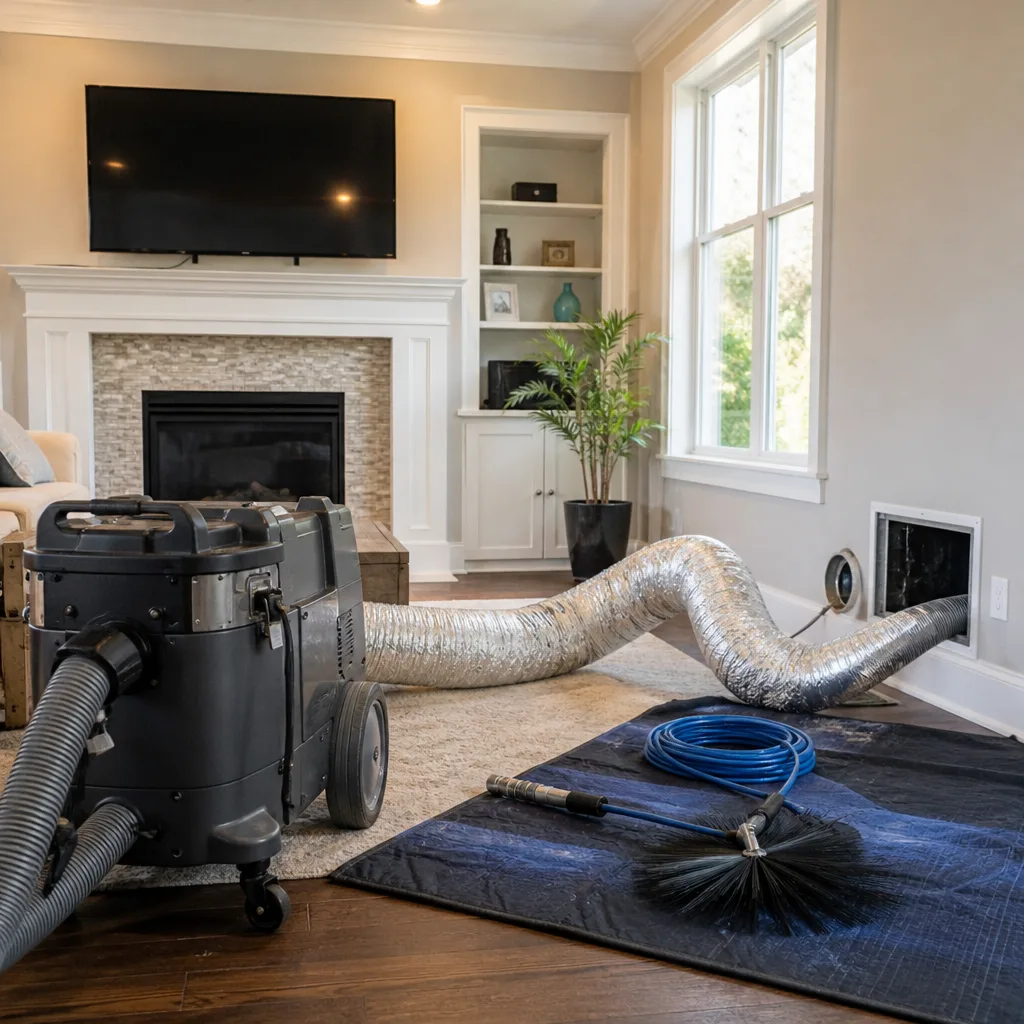 Whole-home duct cleaning
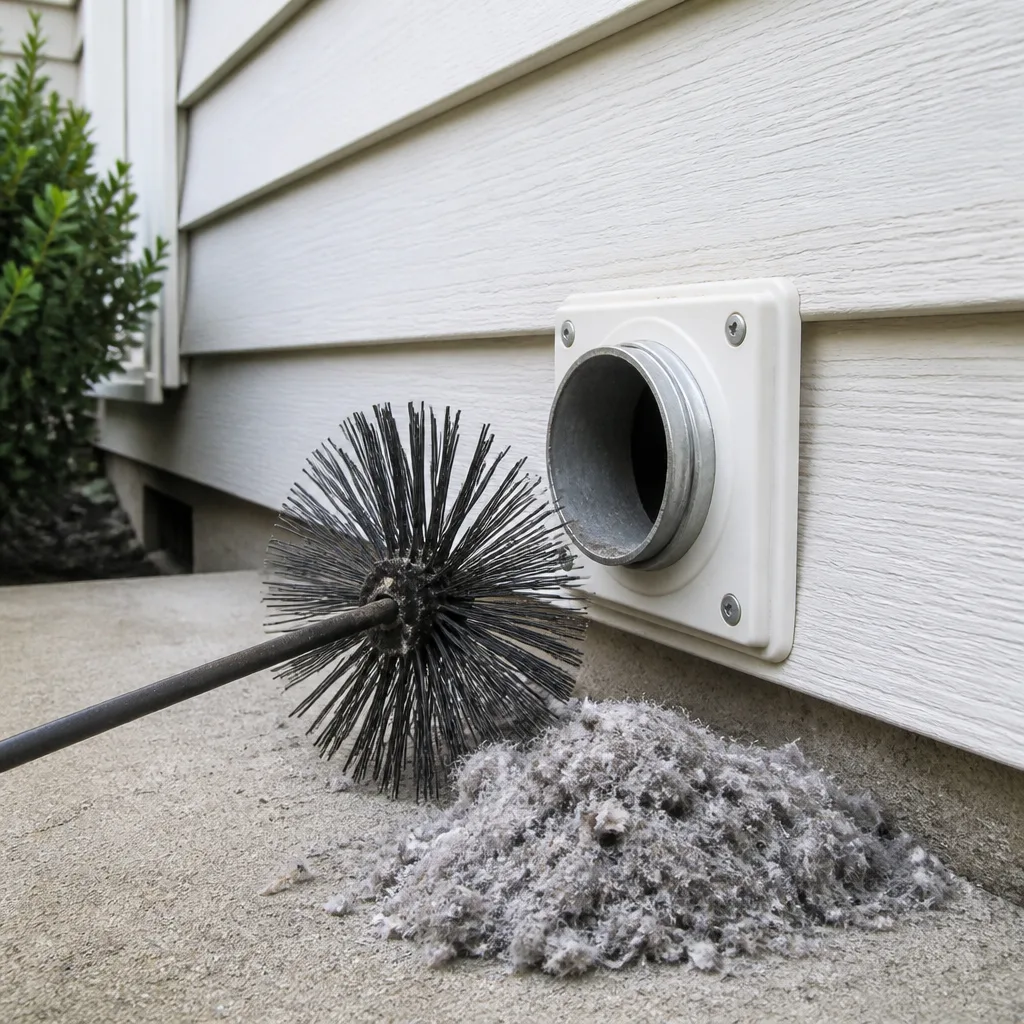 Dryer vent cleaning
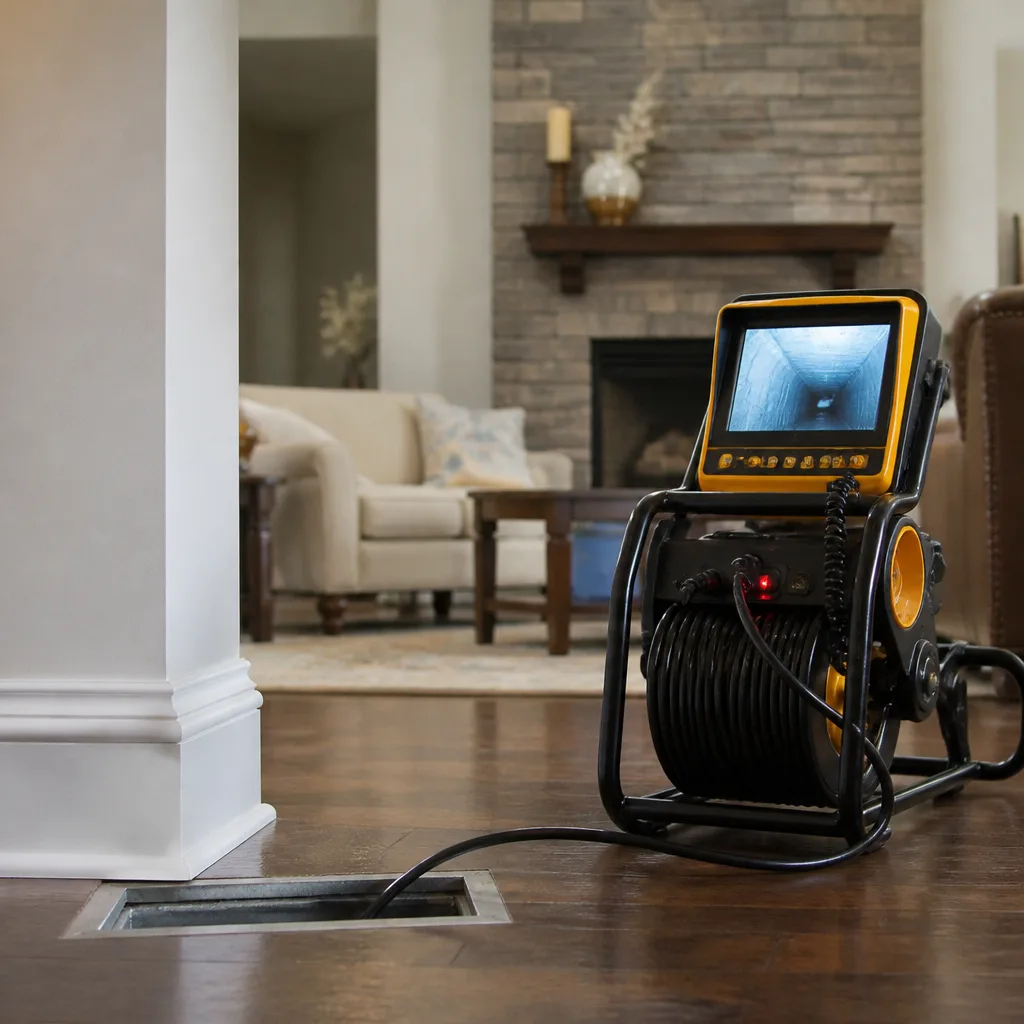 Camera inspection
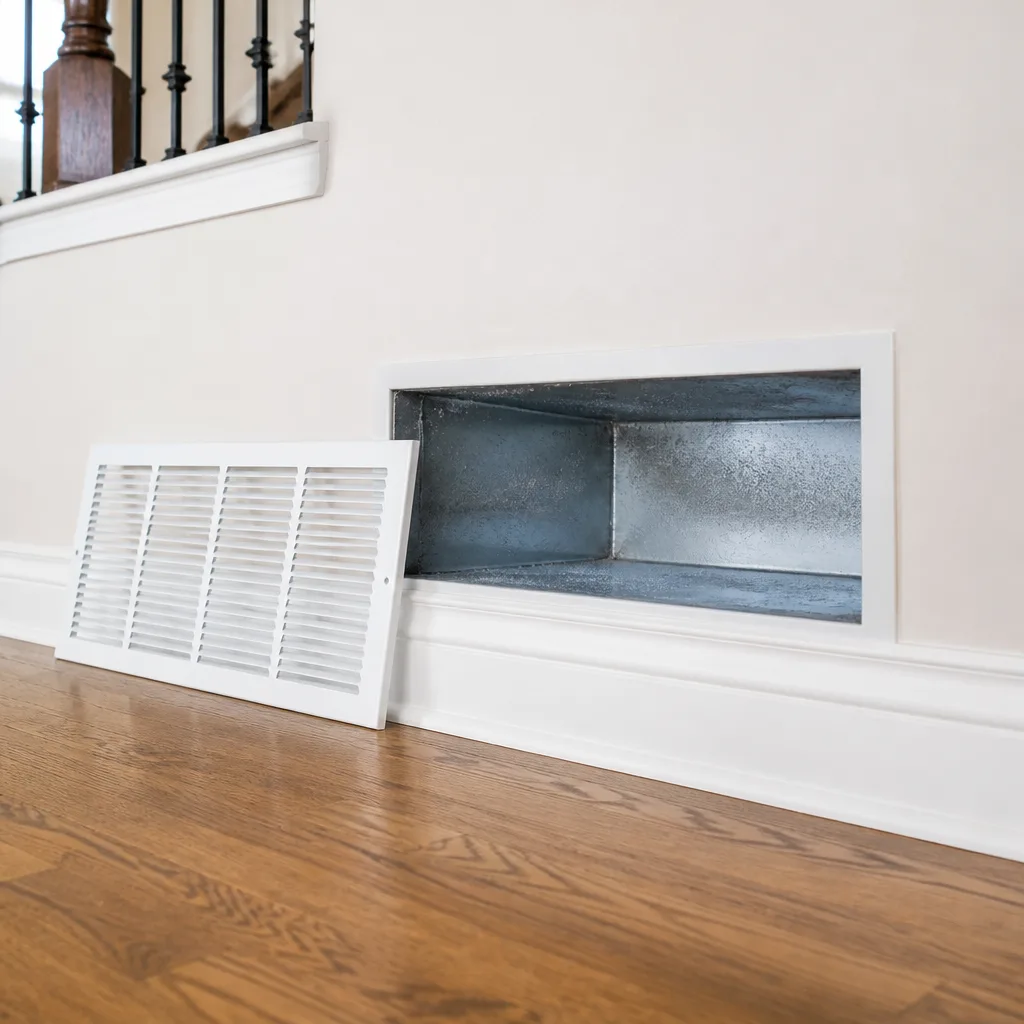 Sanitizing & deodorizing
Whole-system duct and dryer vent check with before-and-after photos - you see exactly what came out of your vents
That "$99 whole-house special" is a bait ad - the real number appears once they are in your hallway, or the "clean" is a shop-vac at the register. We photograph the inside of your ducts before and after instead.
The Complete Guide to Air Duct Cleaning in Elmwood Village
Most Elmwood Village homeowners treat duct cleaning as a one-time event: book the blower, watch the vacuum run, and assume the system is clean. That’s the wrong order of operations. A negative-pressure vacuum alone won’t fix a duct system that’s losing 20-30% of conditioned air through unsealed joints, and that kind of leakage is a common finding in pre-1970s Elmwood Village construction. In this guide we’ll walk through why the housing stock here creates duct problems most cleaning companies never look for, the correct service sequence (assessment before cleaning, not after), what professional-grade equipment actually changes about a residential job, and how to tell whether the work you paid for was really source-removal cleaning or just a machine blowing dust around.
Quick Answer
Air duct cleaning in Elmwood Village is scheduled service that removes accumulated debris from duct interiors using mechanical agitation and HEPA-filtered extraction, usually followed by leakage assessment. For the neighborhood’s 1920s-1950s homes, the cleaning itself is only half the job: the other half is finding and sealing the seam separation and retrofit problems that let the system lose conditioned air. Expected cost for a typical single-family home falls in the $450-$900 range, verified by a written estimate before any work starts.
Styles & brands we work with
- Whole-home duct cleaning
- Dryer vent cleaning
- Camera inspection
- Sanitizing & deodorizing
Table of Contents
- Why Elmwood Village Housing Stock Changes the Duct Cleaning Job
- The Correct Service Sequence: Assessment Before Cleaning
- What Professional-Grade Equipment Actually Means for a Home Job
- Source Removal vs. Blowing Through: How to Tell the Difference
- How Much Does Air Duct Cleaning Cost in Elmwood Village?
- When Sanitizing Is Warranted and When It’s an Upsell
- Dryer Vent Cleaning: The Separate Fire-Prevention Job
- Signs Your Elmwood Village Home Needs Duct Service
Why Elmwood Village Housing Stock Changes the Duct Cleaning Job
Elmwood Village is dominated by housing built roughly between the 1920s and the 1950s. That era matters for ducts in three specific ways, and anyone quoting a duct cleaning job here without asking about them is quoting blind.
Gravity furnace conversions. Many houses in this neighborhood were heated originally by gravity systems, where warm air drifted upward through large central ducts with no blower. When those homes were later converted to forced-air systems, the original oversized plenum and duct runs often stayed in place, with branch ducts tapped into them awkwardly. The result is a system where airflow is uneven, some rooms get far more supply than they need, and pressure imbalances push dust into the return path.
Flex duct retrofits. When a house gets central air added decades after it was built, flex duct is the usual shortcut. It’s flexible, inexpensive, and it snakes through old wall cavities that rigid duct can’t reach. The tradeoff: flex duct has a corrugated interior that traps debris, it sags and pinches when it’s not supported properly, and it’s harder to clean thoroughly with rotary equipment than smooth galvanized steel. Flex retrofits are common throughout Elmwood Village, and their condition varies enormously house to house.
Original galvanized steel with decades of seam separation. The original sheet-metal ductwork in these homes has been expanding, contracting, and vibrating for 70 to 100 years. Seams separate. Joints that were sealed with now-brittle mastic crack open. Sections pull apart where they were attached with old fasteners. This is where the 20-30% air loss figure comes from: the conditioned air you’re paying to heat or cool is escaping into wall cavities and basements before it reaches the register.
None of that is a reason to panic about your house. It’s a reason to get the assessment done by someone who knows to look for it. A duct system in an Elmwood Village house isn’t just dirty or clean; it’s often damaged, undersized, or leaking, and cleaning without addressing those conditions is money spent in the wrong order.
The Correct Service Sequence: Assessment Before Cleaning
In our experience, the biggest difference between a duct cleaning job that improves a home and one that doesn’t is the sequence. Cleaning first and assessing second is backwards. Here’s the order that actually makes sense.
- Walk-through and visual inspection. The technician looks at every register, checks the return path, opens the air handler cabinet, examines accessible duct runs in the basement and attic, and identifies flex versus rigid sections. This is where gravity-furnace conversions and old galvanized problems first show up.
- Leakage assessment. Before any debris is dislodged, the technician checks for seam separation, disconnected joints, and obvious pressure losses. A smoke test or pressure reading at the plenum tells you how much air the system is leaking and roughly where it’s going.
- Pre-clean documentation. Photos of the duct interiors at several registers, taken before work begins. This establishes the baseline and gives you something to compare against when the job is done.
- Containment and source-removal cleaning. With the system’s problems identified, cleaning proceeds with rotary agitation and HEPA-filtered extraction under negative pressure. This is the air duct cleaning stage where debris is physically dislodged and removed from the system.
- Repair and sealing. After cleaning, the identified leaks get addressed. Loose seams are re-sealed, disconnected joints are reconnected, and problem runs are repaired. This is when the air loss you measured in step two actually gets fixed.
- Post-clean verification. Fresh photos of the same register interiors, and a final discussion of what was found, what was cleaned, and what was repaired.
- Optional sanitizing. Only after mechanical cleaning is complete, and only under the conditions described further down this page.
If a contractor wants to start the vacuum on arrival and discuss findings as they clean, they’ve inverted the process. The leakage assessment has to come first, or you’re cleaning a system you don’t understand yet. For the full picture of how cleaning, repair, and sealing fit together under one service, see our main page on air duct cleaning in Elmwood Village.
What Professional-Grade Equipment Actually Means for a Home Job
Duct cleaning equipment isn’t one machine. Different stages of the job require different tools, and the brand names matter because they tell you what the machine is actually doing.
Rotobrush: Mechanical Agitation
The Rotobrush rotary brush system is the industry’s standard for mechanically scrubbing duct walls. A flexible shaft drives a spinning brush head through the duct run while a vacuum captures the material it dislodges. This matters because dust and debris that has bonded to the duct interior doesn’t come off with suction alone. You need physical agitation to break it loose, and Rotobrush is purpose-built for the inside geometry of residential ductwork.
Nikro: HEPA-Filtered Extraction
Nikro HEPA-filtered vacuum equipment handles the extraction stage. The critical word is HEPA. A generic shop vac pushes a large amount of fine dust straight back into the air it’s drawing from. Nikro equipment captures that dust in a HEPA filter, so the material removed from the ducts doesn’t end up recirculating through the living room. This is what separates professional equipment from rental machines.
Abatement Technologies: Negative-Pressure Containment
Abatement Technologies negative-air machines turn the whole job into a sealed, contained environment. The machine creates negative pressure in the duct system relative to the living space, so dislodged debris stays inside the containment and moves toward the vacuum rather than into the air the family is breathing. For a typical single-family home in Elmwood Village, portable units are usually sufficient. Larger or more complex systems with multiple air handlers may call for heavier negative-pressure capacity, which is part of what the initial assessment determines.
Why the Brands Matter
When all three of these systems are running together, the job is doing three things at once: agitation, extraction, and containment. When any one of them is missing, you’re getting a partial service dressed up as a full one. The same principle applies to HVAC cleaning on the air handler and coil side, where debris buildup has its own separate consequences.
Source Removal vs. Blowing Through: How to Tell the Difference
Source-removal cleaning means physically removing the accumulated debris from the system and taking it out of the house. Blowing through means using air pressure to push debris down the duct without capturing it, which just relocates the problem. The two are easy to confuse from inside a living room, so here’s what to watch for.
- Pre-clean photos exist. A contractor doing source-removal cleaning will photograph the interior of the ducts before starting. Blowing-through jobs tend to skip this, because there’s nothing to show afterward.
- Debris goes into a HEPA filter, not into the room. If there’s visible dust drifting in the air during the job, or settling on surfaces afterward, containment failed.
- Machines are running before the technician is. The vacuum, containment equipment, and negative-pressure machine should be set up and running before any agitation starts.
- Coverage is complete. Source removal treats the trunk line, the branch runs, the returns, and the air handler. If only the easily reached branches get attention, you’re paying for a sample of the job.
- Post-clean photos are offered. Good contractors document the result, using the same register locations as the pre-clean photos.
- Verbal explanations are specific. “We cleaned the ducts” is different from “the trunk was 70% blocked with construction debris from the original build-out, and we pulled about three pounds out of the main run.”
If you’re hiring a company and they can’t explain which of these steps they perform, that’s your answer. For an exact quote on source-removal cleaning for your Elmwood Village home, call (855) 726-7901. Estimates are free.
How Much Does Air Duct Cleaning Cost in Elmwood Village?
Air duct cleaning in Elmwood Village typically costs $450-$900 for a standard single-family home, with the written estimate setting the final price. The range moves based on the number of registers, the size and configuration of the system, whether flex or galvanized duct dominates, and whether repair and sealing are needed.
Here’s a rough breakdown of what each part of the job contributes:
| Service Component | Typical Range |
|---|---|
| Full system inspection and leakage assessment | Included in the estimate |
| Source-removal cleaning, standard single-family home | $450-$750 |
| Larger or multi-zone homes | $700-$900 |
| Duct repair and seam sealing (per zone) | Quoted after assessment |
| Sanitizing treatment (when warranted) | Quoted after cleaning |
Why the Range Moves
A 1920s Elmwood Village two-story with fourteen registers, original galvanized trunks, and a flex retrofit to the second floor is a very different job from a compact single-story. Register count is the biggest driver. System complexity (two air handlers versus one) is the second. Flex duct is slower to clean thoroughly than smooth steel because the brush has to work against the corrugated interior. And repair needs vary widely house to house, which is exactly why the estimate comes after the assessment, not before.
Why Some Quotes Are So Much Cheaper
A very low quote usually means one of three things: fewer registers being treated, no containment equipment being used, or a per-vent pricing model that adds up fast once the job starts. The pattern to avoid is the low opening number that grows into a much larger invoice once the technician is on site. What you want instead is one flat price per system, agreed before work begins, with the scope in writing. That’s how we quote duct cleaning for Elmwood Village homes.
Call (855) 726-7901 for an exact quote. Estimates are free, and you’ll have a written scope before anyone starts work.
When Sanitizing Is Warranted and When It’s an Upsell
Sanitizing is not a default add-on. It’s a specific treatment for specific conditions, and pushing it on every routine job is one of the clearer signs a contractor is selling rather than assessing.
When Sanitizing Makes Sense
- Confirmed mold growth. If the inspection or lab testing shows active mold inside the ducts, mechanical cleaning alone may not address the spores that remain in the interior surface. A Guardsman-grade sanitizing treatment is appropriate here, after cleanup.
- Rodent intrusion. When mice or other pests have been inside the ducts, the biological residue they leave behind requires more than debris removal. This is common in older houses where duct runs pass through basements and wall cavities with gaps at the exterior.
- Post-flood or water infiltration. Any duct system that has held standing water or been through flood exposure is a mold concern until proven otherwise. Sanitizing after cleaning is standard in those cases.
- Persistent musty odor after thorough cleaning. If the smell lingers after source-removal cleaning is verified, the source is often biological rather than particulate, which is where sanitizing earns its place.
When Sanitizing Is Just an Upsell
On a routine maintenance job with no visible mold, no pest evidence, and no water history, sanitizing adds cost without a documented reason. Good contractors will tell you that plainly. The general sequence is always the same: clean first, sanitize only if there’s a specific reason.
Air Quality Upgrades Beyond Sanitizing
Sometimes the right answer after cleaning isn’t sanitizing at all but filtration. Honeywell and Aprilaire systems address ongoing particle and humidity management at the equipment level, which is the more durable fix for homes with chronic dust or allergy concerns. Those are separate conversations from the cleaning itself, and we’d rather have that conversation with the inspection findings in hand than pitch it beforehand.
Dryer Vent Cleaning: The Separate Fire-Prevention Job
Dryer vent cleaning is a completely different service from air duct cleaning, and lumping them together in a sales pitch misses the point of both. Dryer vent cleaning is a fire-prevention measure. Lint accumulation in the vent run restricts airflow, and a restricted vent run drives up exhaust temperature at the dryer. That’s the mechanism behind a large share of residential dryer fires, and it’s entirely avoidable.
In Elmwood Village homes, dryer vent runs tend to be long and often routed through interior walls or basements, which gives lint more opportunity to accumulate and makes visual inspection harder. Flexible foil or plastic vent runs sag, and the low points collect lint faster than rigid metal. If your dryer takes noticeably longer than it used to, feels hot to the touch at the top of the cycle, or shows lint collecting around the outside vent hood, that’s a prompt to get the vent inspected and cleaned.
At the same time people are scheduling duct service for the HVAC side of the house, it’s worth asking whether the dryer vent has ever been done. Both are on the same principle: airflow is the point, and restricted airflow has consequences. For dedicated service on this side of the home, see dryer vent cleaning. One visit can typically cover both.
Signs Your Elmwood Village Home Needs Duct Service
Ducts don’t show their condition from the outside. But the symptoms that matter tend to appear in clusters. If two or more of these are familiar, it’s worth an inspection:
- Visible dust return within a few days of cleaning. If surfaces are fully dusted and the dust reappears almost immediately, the source is likely in the duct system or at the air handler.
- Uneven room temperatures. One room hot, one room cold, or the upper floor consistently warmer in summer. Pressure imbalances from damaged or disconnected ducts produce this pattern.
- Musty or stale smell when the system runs. Particularly at first startup of the heating season or after the AC has been running hard.
- Allergy symptoms that worsen indoors. Especially in the rooms directly served by the system, and especially in the first season after moving into an older Elmwood Village home.
- Higher-than-expected energy bills without an obvious cause. Seam separation in older galvanized duct means heated or cooled air is escaping into unconditioned space before it reaches the registers.
- Recent renovation work. Drywall dust, sawdust, and construction debris from even modest remodeling settles throughout a duct system and drives into every branch run.
- Recent move-in to an older home. Duct history of a 1940s house is rarely documented. An assessment establishes the baseline for the years ahead.
Common Mistakes to Avoid
- Booking cleaning before assessment. Cleaning a duct system before checking for leaks, disconnected joints, and damage means you’re cleaning a system that’s still going to lose air afterward. The assessment has to come first in an older Elmwood Village home.
- Choosing on price alone. A quote that’s dramatically below the $450-$900 typical range is telling you something about what’s included. Ask specifically which registers are treated, whether containment is used, and whether photos are provided. If the answers are vague, the savings aren’t real.
- Ignoring the returns and air handler. Cleaning the supply ducts while skipping the return path and the air handler cabinet leaves a substantial amount of debris in place. The system pulls air through every stage, so every stage has to be cleaned.
- Treating sanitizing as automatic. If sanitizing is presented as part of every job rather than as a treatment for a specific finding, you’re being sold a product rather than a solution. Clean first, then decide.
- Forgetting dryer vent cleaning entirely. In a house with no documented vent history, the dryer vent is often the higher-risk item in the laundry room and it doesn’t get checked unless you ask about it.
- Accepting repair quotes without photos. Seam separation and disconnected joints are specific, photographable problems. A contractor who can’t show you the actual issue before quoting a repair is quoting on assumption.
- Treating duct cleaning as a one-time event in an older house. In a 1920s-1950s Elmwood Village home, the ducts themselves have decades of stress on them. A regular assessment cadence catches new seam separation and flex duct failures before they become air loss problems.
See the difference
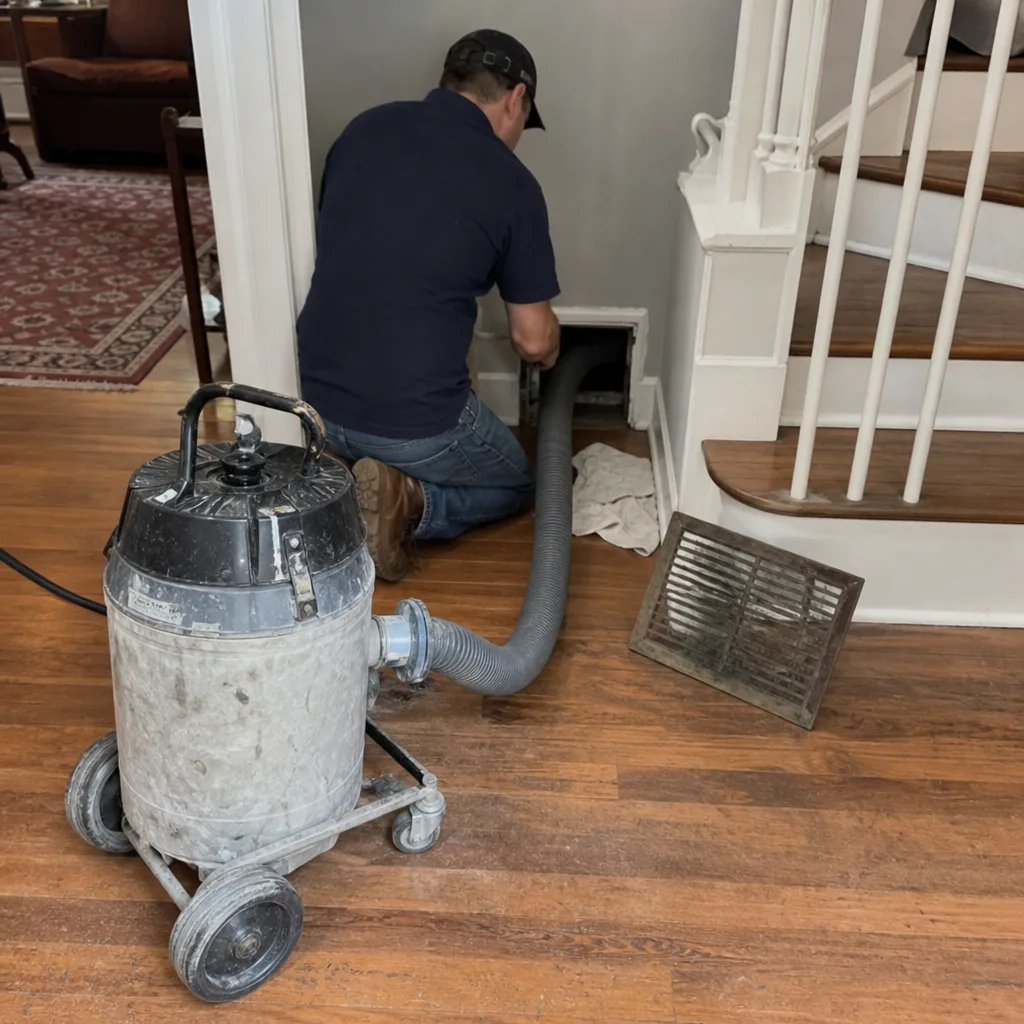 Before
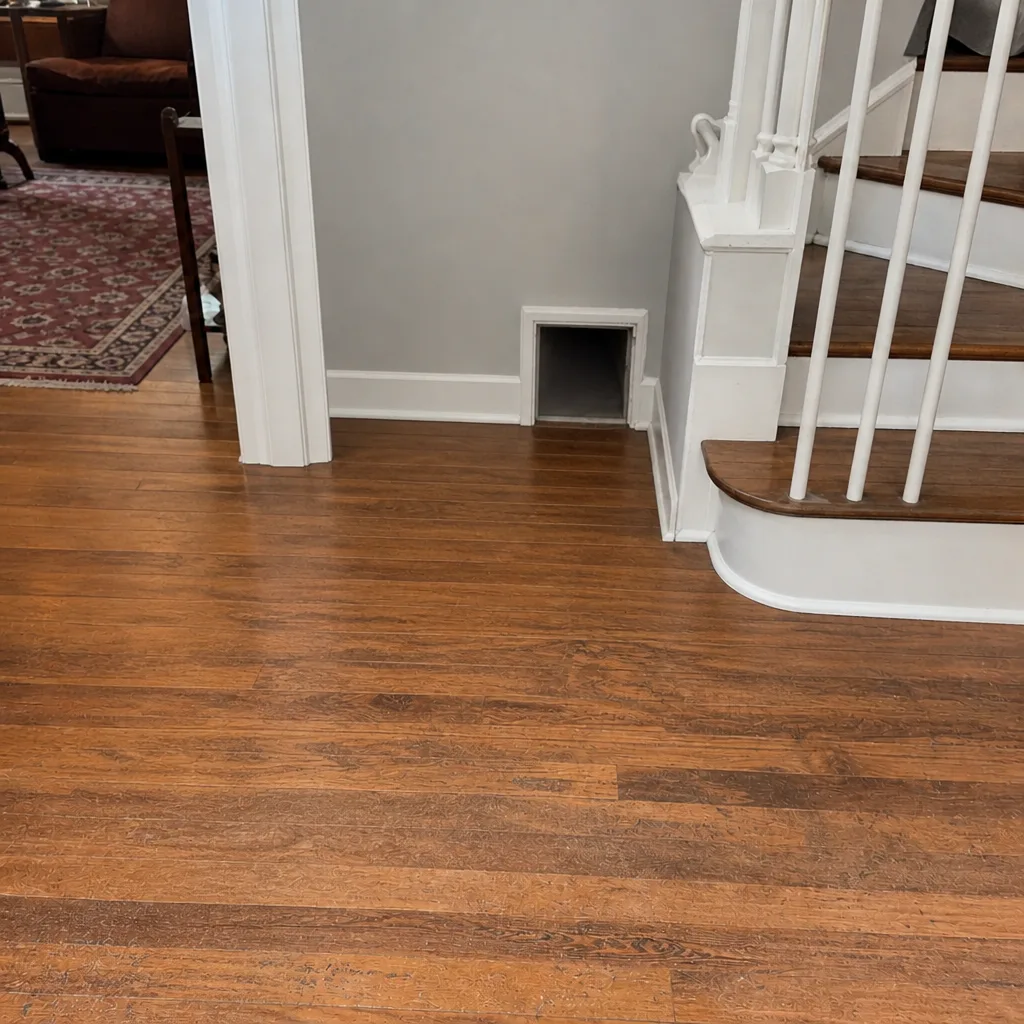 After
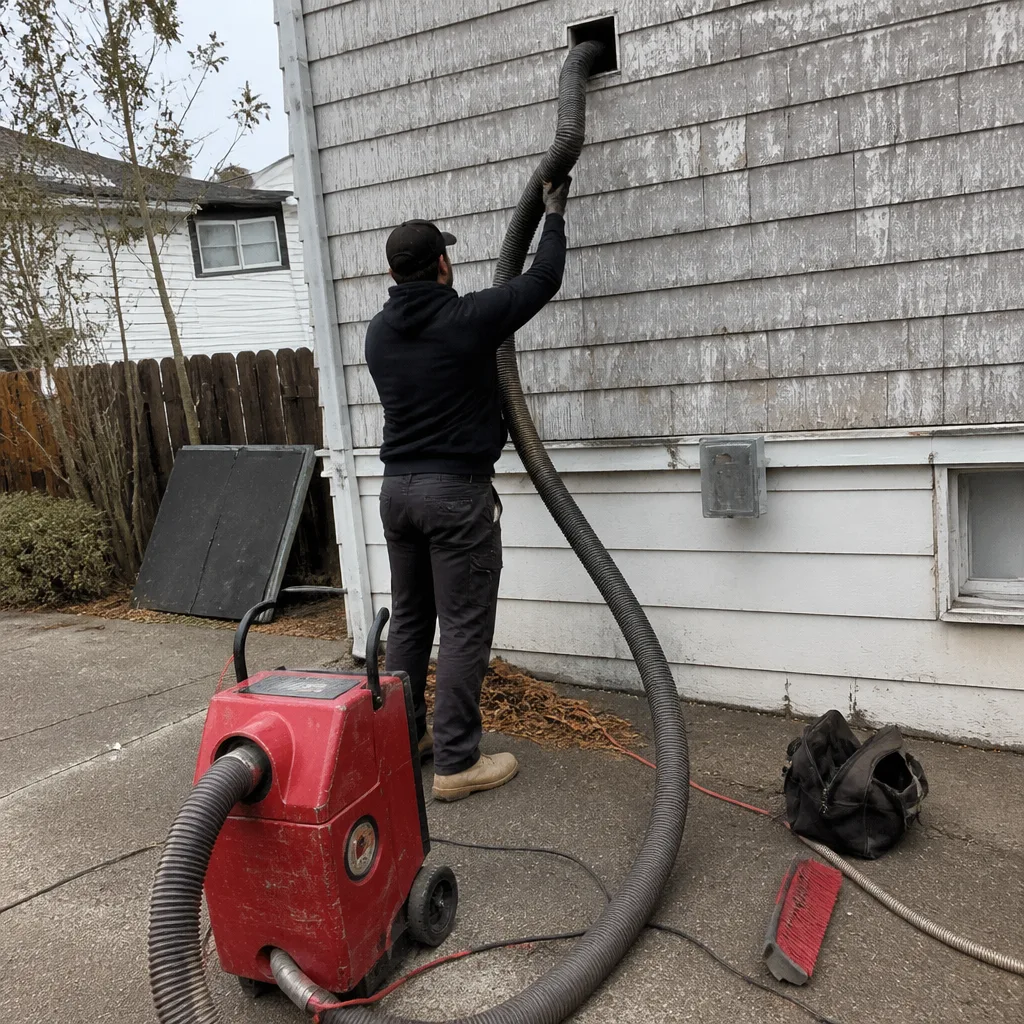 Before
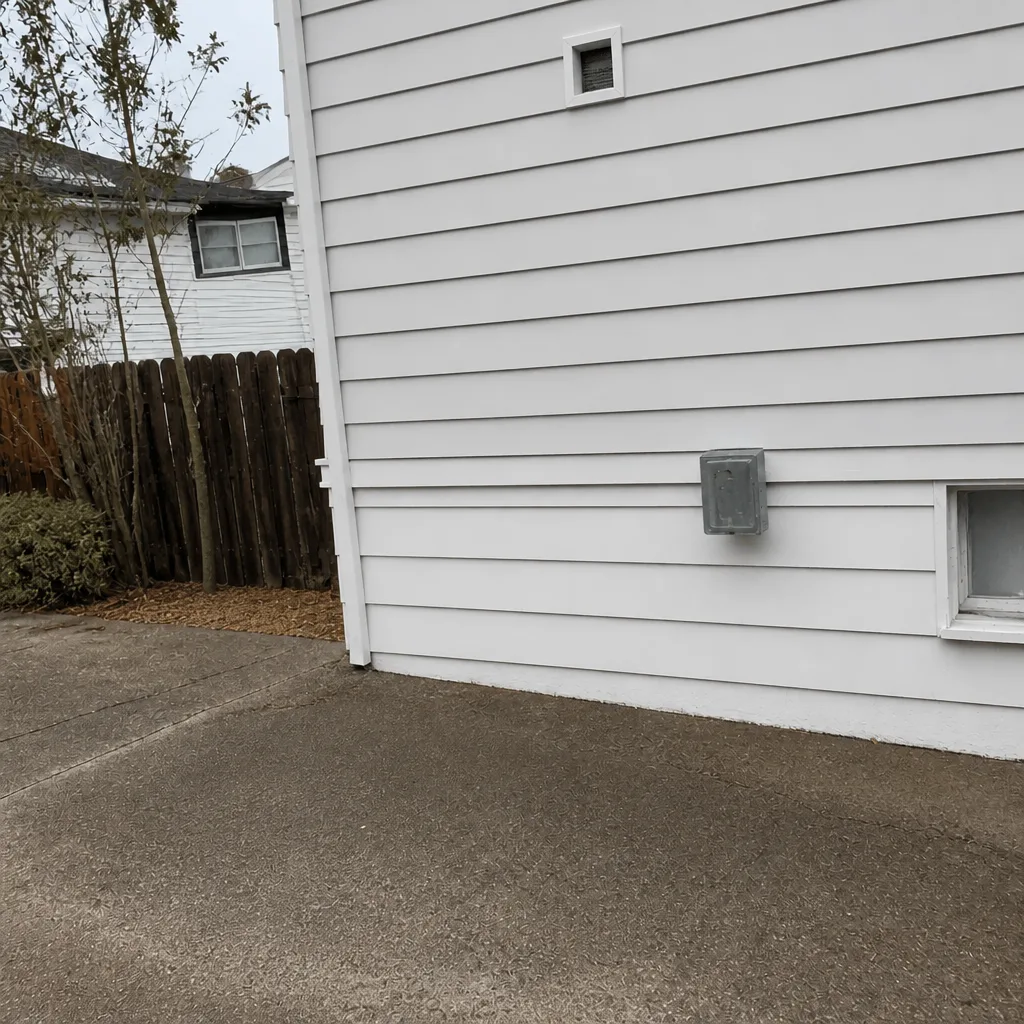 After
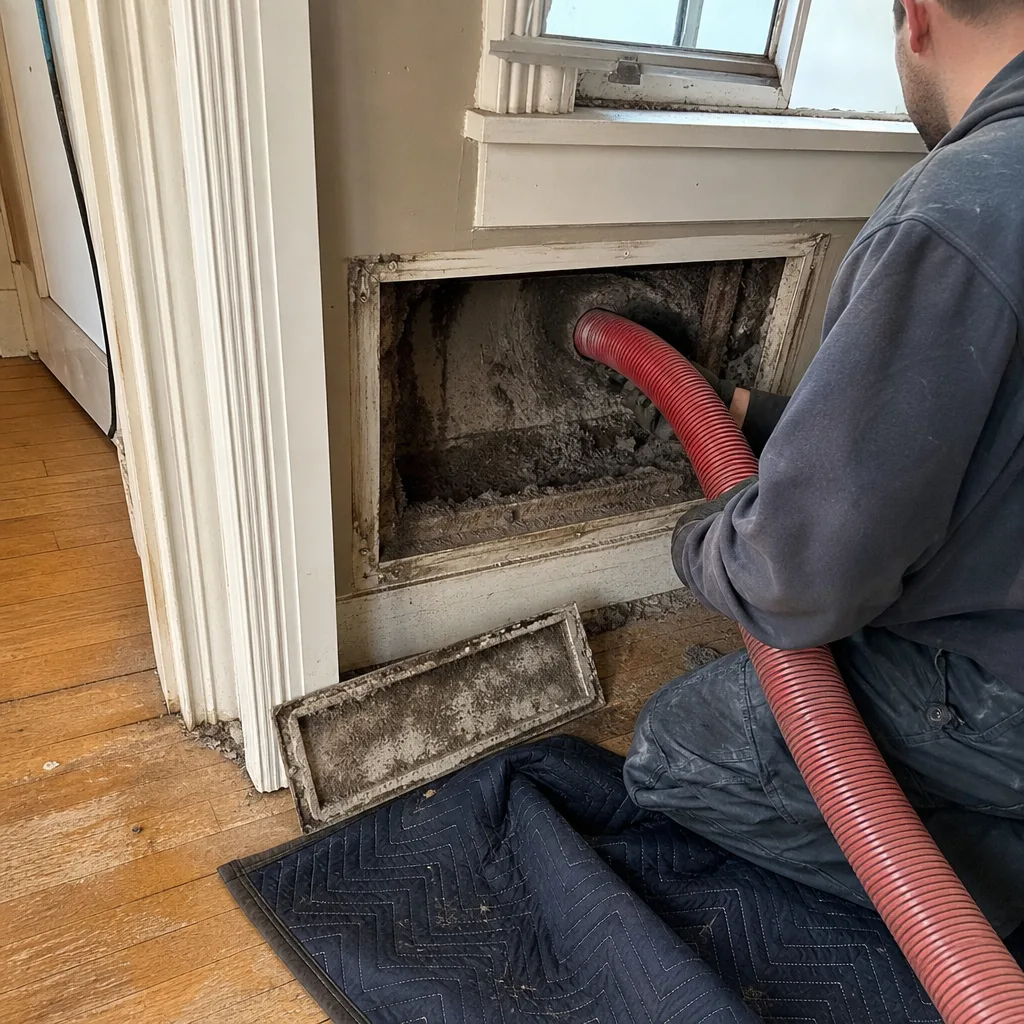 Before
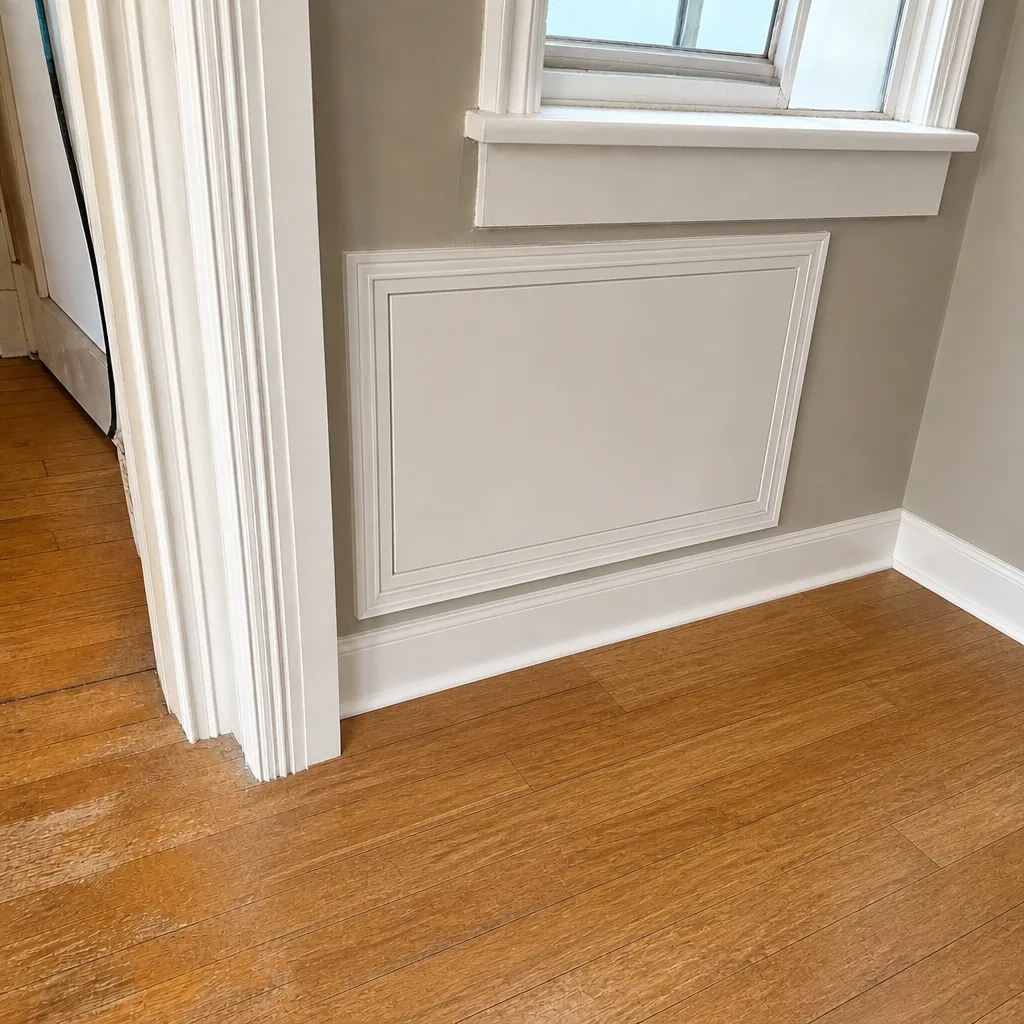 After
When to Call a Professional
Some duct problems are clear enough to justify a call without waiting: visible mold growth inside a register or on the air handler cabinet, rodent droppings or nesting material in the duct system, a duct run that has come disconnected and is blowing air into a basement or crawl space, or persistent musty odor coming from the HVAC system. In each of those cases, the conditions involve more than debris and need the assessment-plus-cleaning-plus-repair sequence rather than a single visit with a vacuum.
Other cases are subtler. A springtime surge in allergy symptoms, a heating bill that doesn’t match the weather, or a home where the ducts have simply never been inspected since the current owners moved in are all reasonable triggers for an estimate. A written assessment clarifies what’s actually wrong, and whether the fix is cleaning, repair, sealing, or some combination. Air Duct Cleaning Elmwood Village offers free estimates in Elmwood Village. Call (855) 726-7901. We answer 24/7. Fast dispatch from 7am to 7pm, Sunday through Friday.
Frequently Asked Questions
Typical cost for a standard single-family home in Elmwood Village falls in the $450-$900 range, with the written estimate setting the final price. Register count, system complexity, duct type, and whether repair and sealing are needed all move the number. Call (855) 726-7901 for an exact quote. Estimates are free.
Lower quotes usually mean a narrower scope: fewer registers treated, no containment equipment, no leakage assessment, or per-vent pricing that inflates once work starts. The honest comparison is one flat price per system, with a written scope that lists exactly what’s included. Ask what’s covered before comparing numbers, then call (855) 726-7901 if you want to talk through a specific quote.
Pre-clean and post-clean photos of the same register interiors are the clearest proof. A contractor using Rotobrush agitation, Nikro HEPA extraction, and Abatement Technologies negative pressure will produce visible before-and-after evidence of each stage. If photos aren’t offered, ask for them. Call (855) 726-7901 to schedule an inspection with photo documentation included.
For a typical Elmwood Village home, every three to five years is a reasonable cadence, sooner if there’s renovation work, pet dander, or allergy concerns in the household. In a 1920s-1950s house, the more important rhythm is periodic inspection of the ducts themselves, since seam separation and flex duct failures develop over time regardless of how clean the interiors are.
It can, particularly when the source of the allergen load is inside the duct system. Removing accumulated dust, pollen, and biological material from ducts reduces what’s being pushed into the air every time the system runs. In homes with confirmed mold, the addition of a Guardsman-grade sanitizing treatment after cleaning is the appropriate step. A Honeywell or Aprilaire filtration upgrade can address the ongoing load. Call (855) 726-7901 to discuss what makes sense for your system.
Yes, and doing them together is the point. Assessment comes first, cleaning second, and repair and sealing follow in the same visit. Running the full sequence under one service call means the leaks identified during assessment are repaired while the system is already accessible and documented. Call (855) 726-7901 to book an assessment and see what your Elmwood Village home actually needs.
Not usually. Sanitizing earns its place when there’s a specific finding: confirmed mold, rodent intrusion, water history, or a musty smell that persists after cleaning. On a routine job with no such findings, mechanical cleaning is the whole job. Clean first, then evaluate sanitizing with the inspection report in hand. Call (855) 726-7901 to schedule an inspection.
The Bottom Line
The single biggest thing to take away from this guide is that duct cleaning in Elmwood Village isn’t a one-step product. In a house built between the 1920s and the 1950s, the ducts have original steel that’s likely leaking at the seams, flex retrofits that trap debris, and airflow patterns shaped by gravity furnace conversions. The right order is assessment, then cleaning, then repair and sealing, then optional sanitizing only where the findings justify it. Rotobrush, Nikro, and Abatement Technologies equipment is what makes the cleaning stage actually remove debris rather than recirculate it, and one flat price per system agreed before work starts is how you know the invoice won’t surprise you. Call (855) 726-7901 for a free estimate. We answer 24/7. Fast dispatch from 7am to 7pm, Sunday through Friday. One call covers the full system, from the ducts and HVAC through the dryer vent and the air quality side of the house.
Written by the team at Air Duct Cleaning Elmwood Village.