
Last updated November 25, 2026
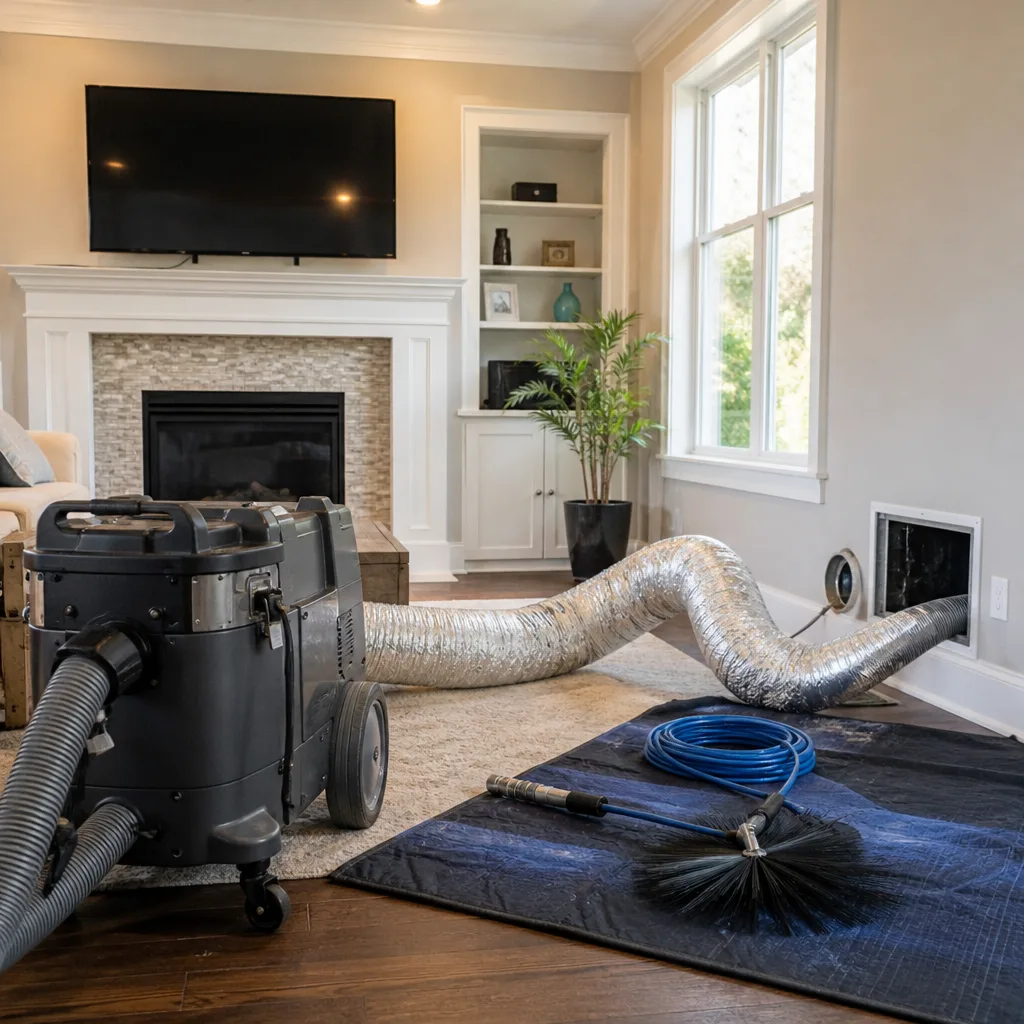 Whole-home duct cleaning
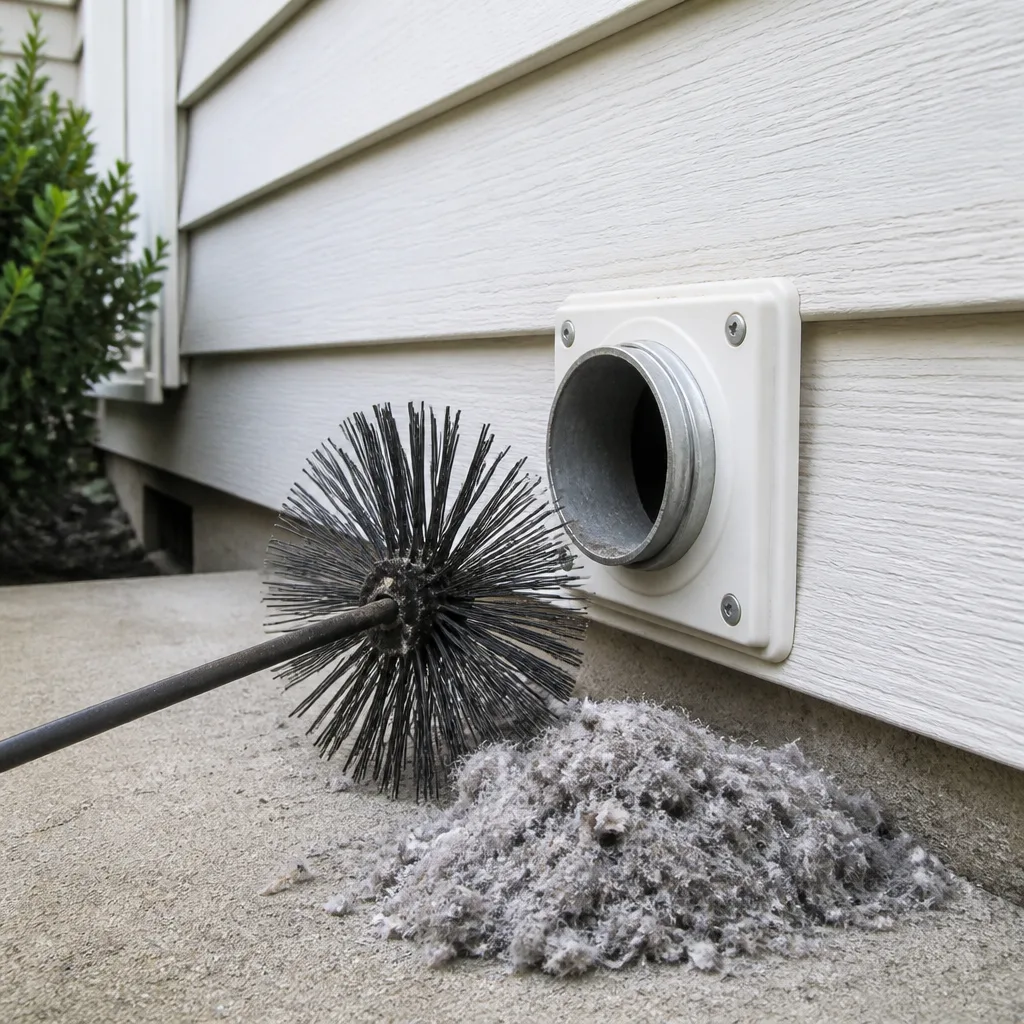 Dryer vent cleaning
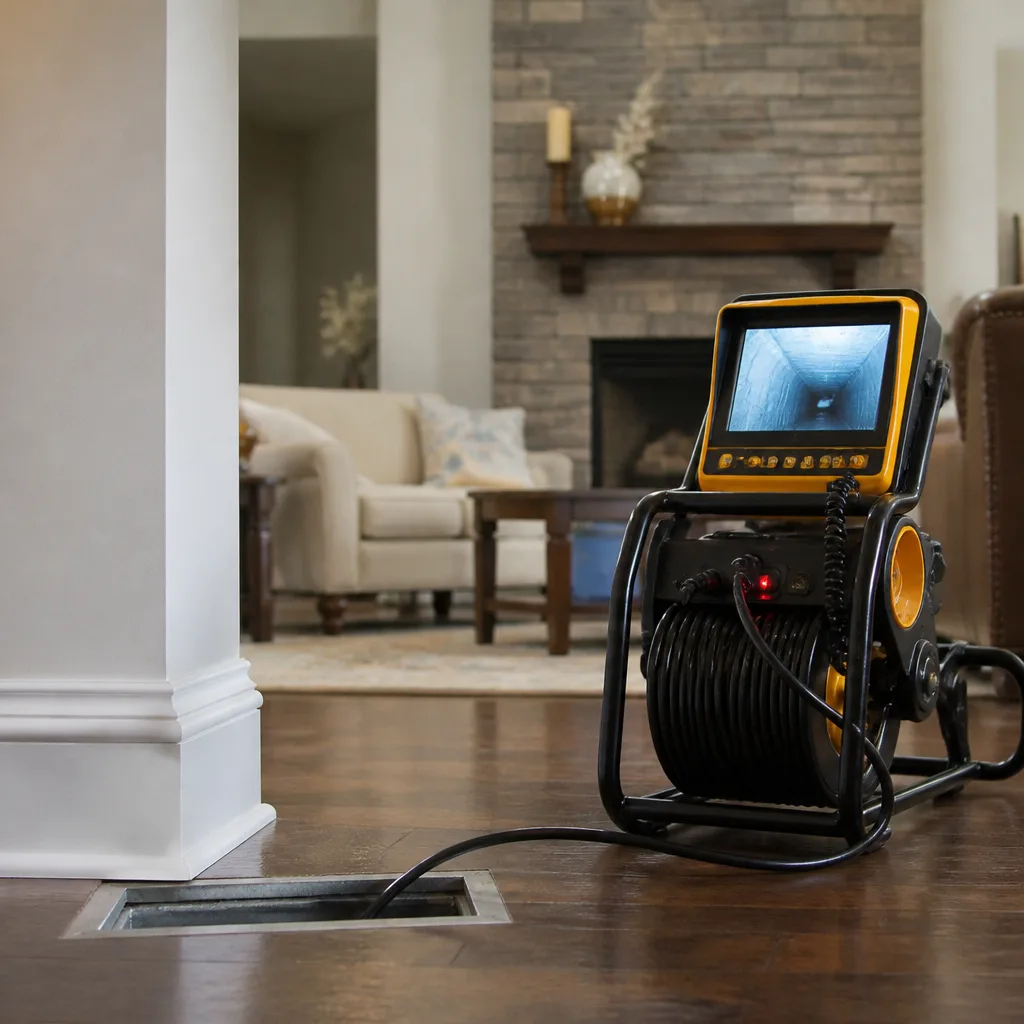 Camera inspection
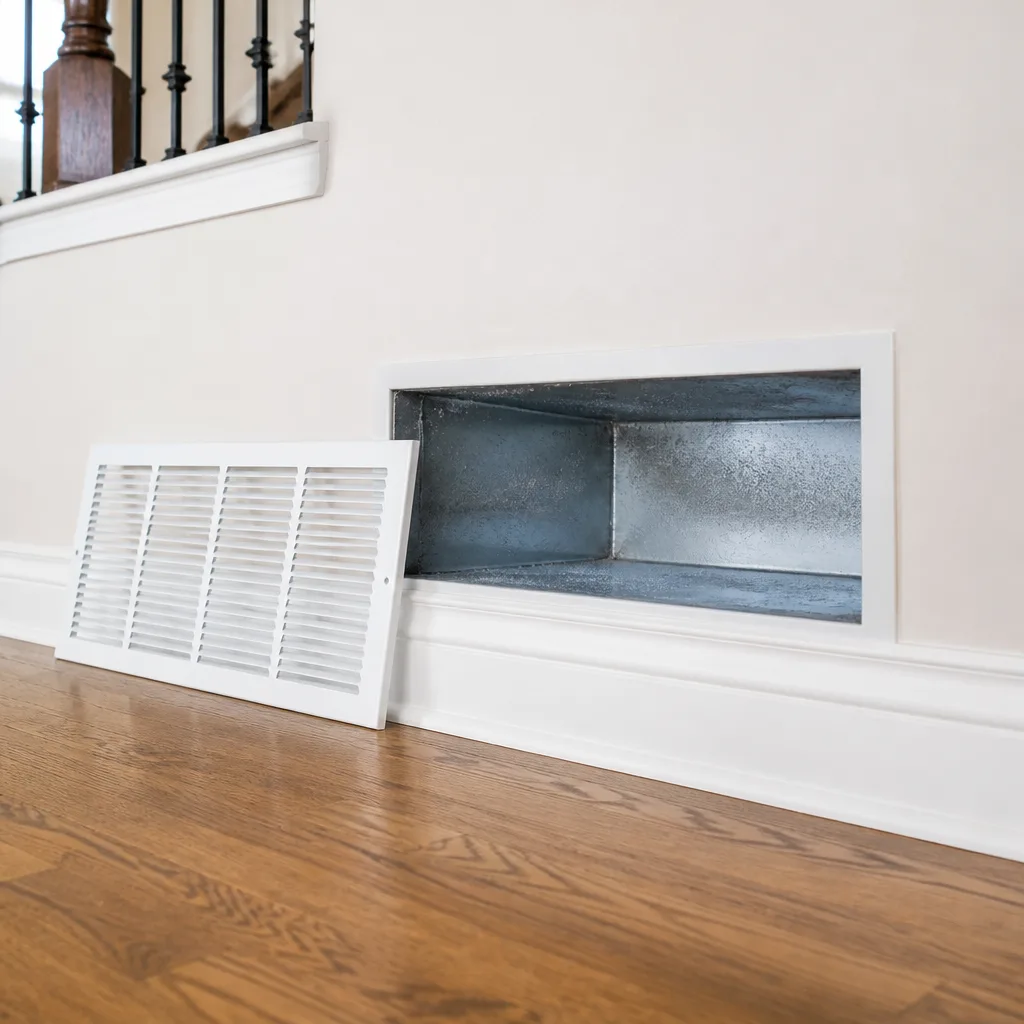 Sanitizing & deodorizing
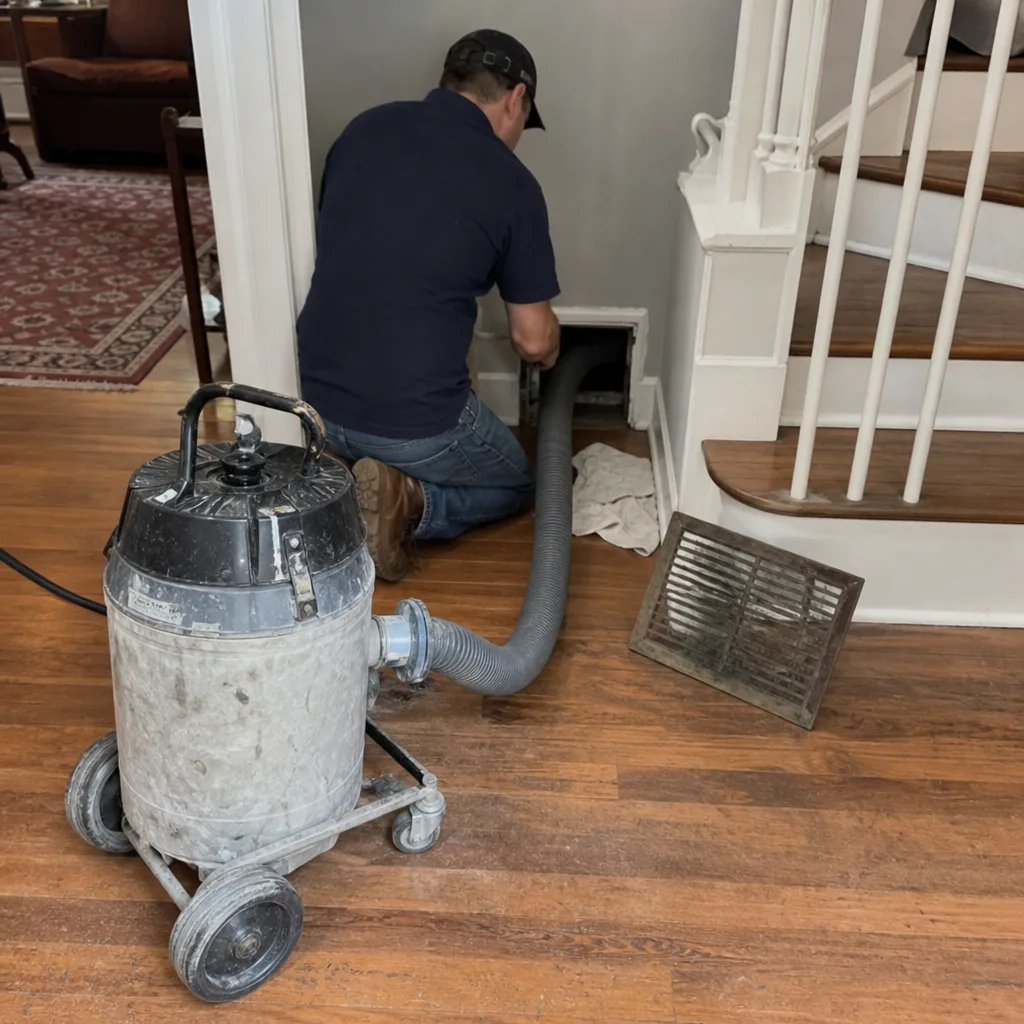
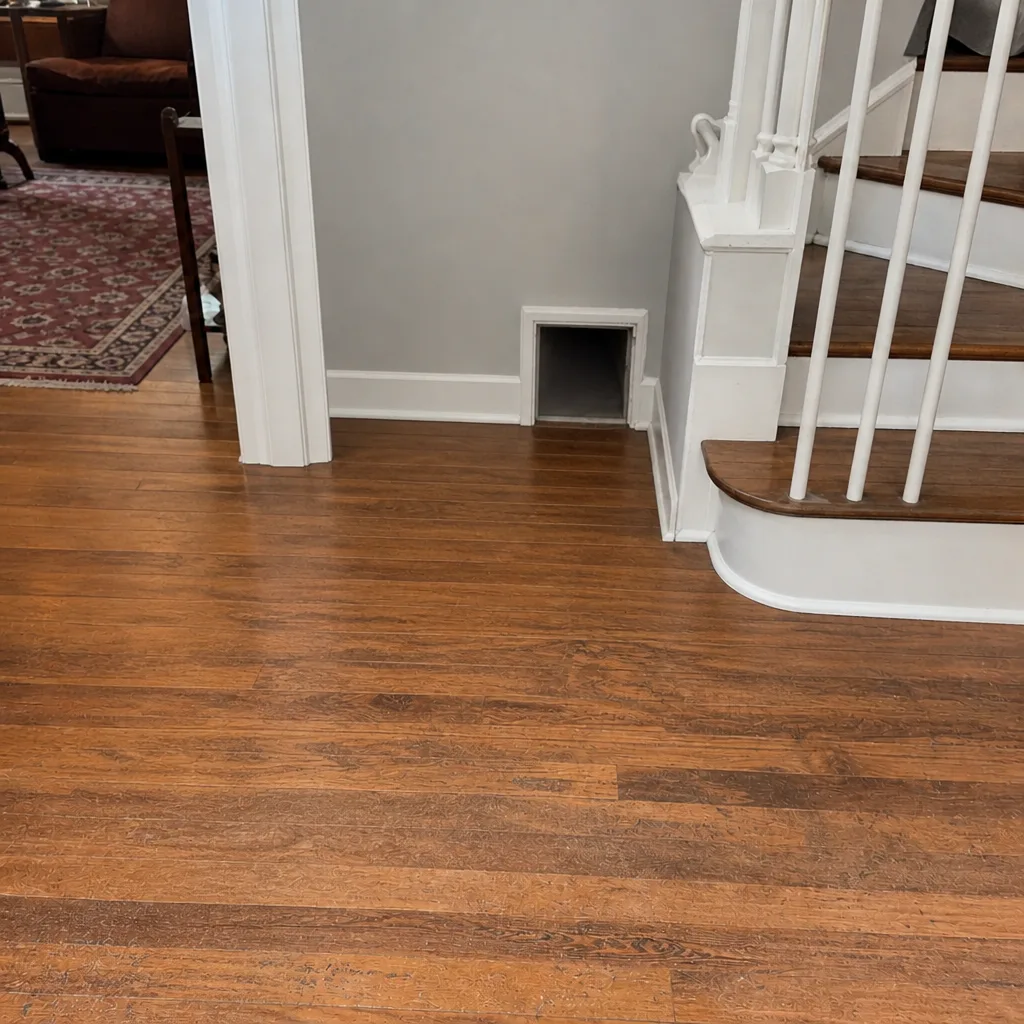
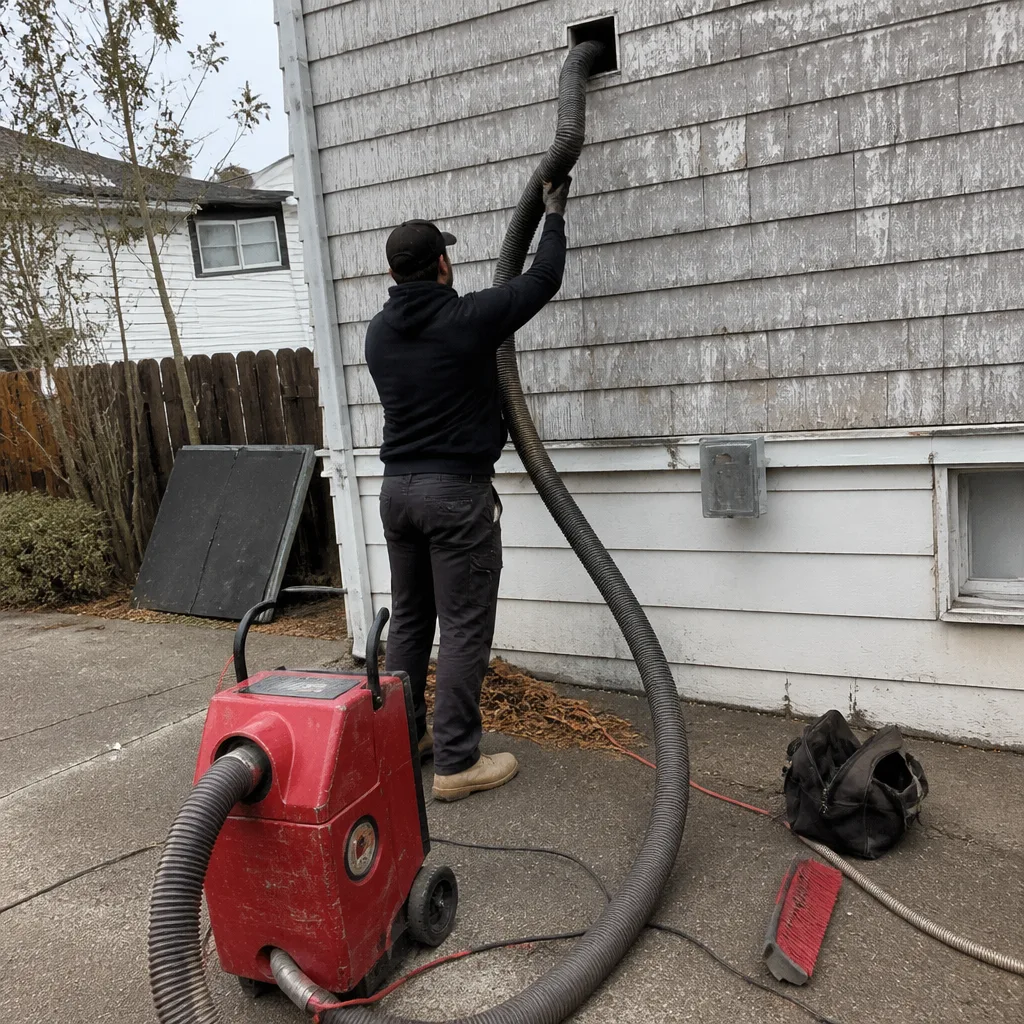
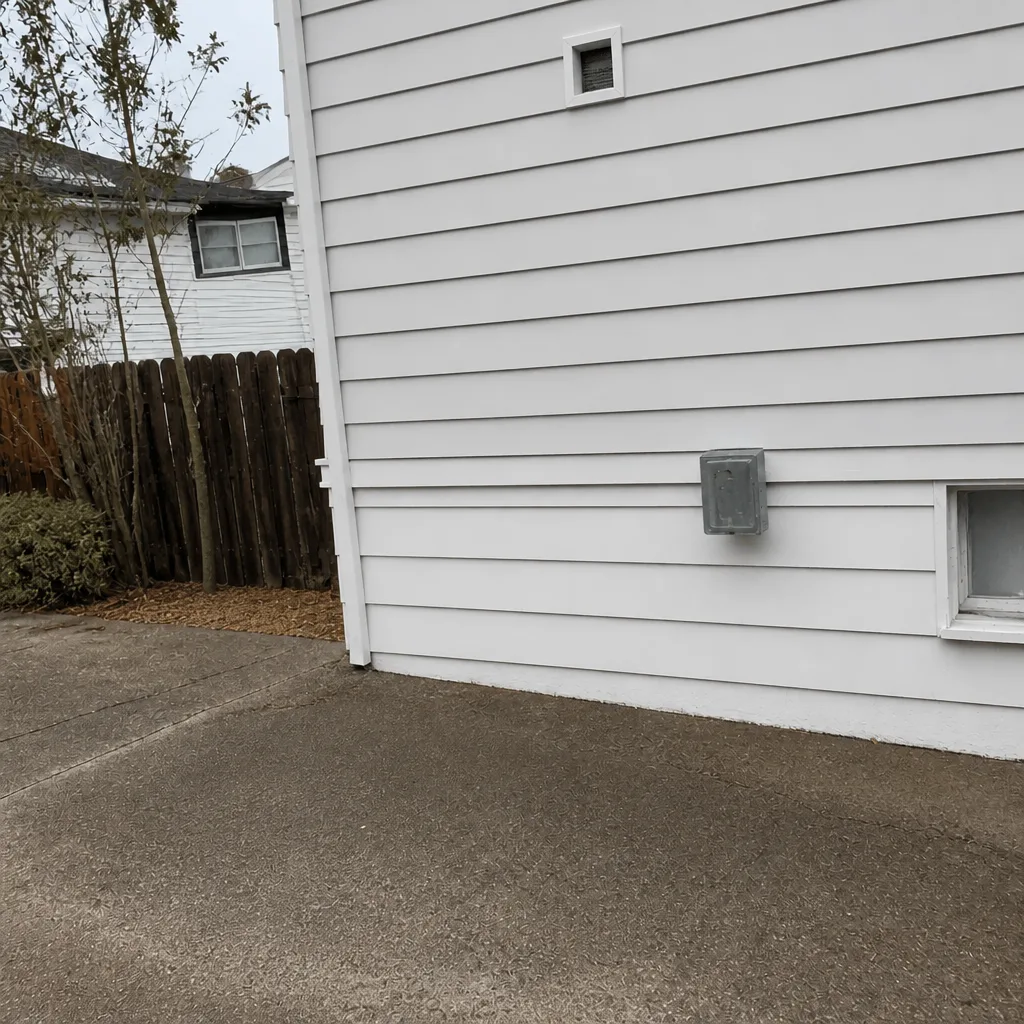
Whole-system duct and dryer vent check with before-and-after photos - you see exactly what came out of your vents
That "$99 whole-house special" is a bait ad - the real number appears once they are in your hallway, or the "clean" is a shop-vac at the register. We photograph the inside of your ducts before and after instead.
How to Hire an Air Duct Cleaning Contractor in Elmwood Village: A Step-by-Step Guide
The most common complaint after a duct cleaning job isn’t poor results. It’s that the homeowner has no way to verify whether the job was done correctly, because they never knew what to ask before work started. A crew can run a vacuum for an hour, hand over an invoice, and leave a house that looks exactly the same as it did that morning, and most people have no framework for telling a thorough job from a cosmetic one. This guide changes that. By the end, you’ll know which questions separate equipment-capable specialists from general HVAC companies treating duct cleaning as an add-on, how to read a written scope of work, and which red flags in an Elmwood Village quote should end the conversation before anyone touches your system.
Quick Answer
Hiring an air duct cleaning contractor in Elmwood Village means verifying three things before you sign: the equipment (a truck-mounted or high-CFM vacuum paired with rotary agitation tools, not a shop-vac), the containment method (negative-pressure machines that stop dislodged debris from recirculating into your living space), and the scope (a written document listing access points, register counts, and pre/post photos). Membership in a trade association is a useful floor but doesn’t guarantee the crew executing the work knows what they’re doing. Ask specific questions, get the scope in writing, and walk away from any quote delivered without a walkthrough of your system.
Styles & brands we work with
- Whole-home duct cleaning
- Dryer vent cleaning
- Camera inspection
- Sanitizing & deodorizing
Table of Contents
- Why the Elmwood Village Market Is Different
- The 8 Questions That Reveal Contractor Competence
- What NADCA Membership Verifies and What It Doesn’t
- How to Structure a Written Scope of Work
- Red Flags Specific to Duct Cleaning
- Why Getting Multiple Quotes in Elmwood Village Matters
- How to Verify the Work Was Actually Done
- Common Mistakes to Avoid
- When to Call a Professional
- Frequently Asked Questions
Why the Elmwood Village Market Is Different
Elmwood Village is a neighborhood of older housing stock, and that shapes what a duct cleaning job actually involves. The housing along Elmwood Avenue and the side streets off it includes a mix of late-nineteenth and early-twentieth-century homes alongside mid-century infill, which means duct systems here vary wildly from house to house. Some homes have original galvanized branches with later flex-duct additions spliced in. Others have full basement trunk lines that feed floor registers through the first floor. A contractor who works only new construction will miss half of what makes an Elmwood Village system complicated.
That variance matters because duct cleaning is not a uniform service. The equipment and technique that work on a straight run of rigid galvanized pipe behave differently on flex duct, which has a corrugated interior that traps debris and tears easily under aggressive brushing. A crew that shows up expecting one kind of system and finds another will either do a shallow pass or damage something.
There’s also a market-structure reason Elmwood Village homeowners need to be careful. Buffalo is a metro with several commercial duct cleaning operators who primarily serve restaurants, offices and industrial facilities, plus a long tail of smaller residential outfits with very different equipment levels. Some of those commercial operators will take a residential job in Elmwood Village as a fill-in. Some of the smaller outfits use portable units that can’t generate the airflow a real clean requires. Both can quote you a price, and the price alone tells you nothing about which one you’re getting.
The climate adds another layer. Western New York’s cold months mean the heating system runs hard for a long stretch, pushing air through the same ducts for months without a break. Dust, pet hair, and construction debris accumulate faster in a system that’s working continuously than one that runs intermittently. Homes here that have had recent renovation, a roof replacement, or a furnace swap often carry drywall dust and fiberglass particles deep in the return side, and that material doesn’t settle out on its own.
The 8 Questions That Reveal Contractor Competence
The fastest way to separate a real duct cleaning specialist from a generalist is to ask about process specifics. A competent contractor answers these without hesitation. A generalist deflects, generalizes, or changes the subject to price.
- What’s the CFM capacity of your vacuum system? CFM means cubic feet per minute, and it’s the measure of how much air the vacuum can move. Truck-mounted units and high-capacity portables generate far more than a shop-vac. A crew that can’t answer this question is using equipment they don’t understand.
- Do you use contact vacuuming or rotary agitation tools? Suction alone pulls loose debris off the surface of the duct but leaves the film stuck to the walls. Mechanical agitation, like a rotary brush system, scrapes that material loose so the vacuum can carry it away. Professional-grade equipment like Rotobrush rotary brush systems agitate and vacuum in the same pass. If the answer is “we just vacuum,” you’re getting a partial job.
- How do you protect supply and return separately? Supply ducts push conditioned air into rooms; return ducts pull air back to the furnace. A thorough job isolates one side while cleaning the other, so debris from the dirty side can’t migrate to the clean side. Ask how they do it.
- Do you set up negative-pressure containment? Negative-pressure machines like those from Abatement Technologies create a sealed, controlled environment, so dislodged debris gets pulled out of the house rather than drifting into your living room. Ask for the brand if they use one.
- What filtration does your vacuum use? HEPA filtration matters. Nikro HEPA-filtered vacuum equipment captures fine particles during extraction and prevents cross-contamination between the duct and your air.
- What does the written scope of work include? Access point locations, register counts, equipment list, and pre/post photos. If they can’t tell you what’s in the document, there isn’t one.
- Will you clean the air handler and coil as part of the job, or is that separate? The air handler is part of your HVAC cleaning scope. A crew that only cleans the ducts and ignores the coil is leaving the dirtiest component untouched.
- What happens if you find a disconnected or crushed duct? The answer should include repair and sealing, not just cleaning. Duct repair and sealing is a separate service line for a reason: cleaning a system with leaks is like vacuuming a room with the windows open.
In our experience, the answers to questions two and four tell you almost everything. Agitation tools and negative pressure are what make a duct cleaning job real rather than theatrical.
What NADCA Membership Verifies and What It Doesn’t
The National Air Duct Cleaners Association is the trade body most commonly cited in this industry, and its membership is a reasonable floor when you’re screening contractors. It signals that the company has agreed to a code of ethics, that it has access to industry standards for how the work should be assessed and performed, and that it hasn’t been formally expelled over a complaint. That’s useful. It is not a warranty.
What NADCA membership does not verify:
- That the specific crew arriving at your Elmwood Village home has been trained on the equipment in their van.
- That the company owns a high-CFM vacuum, rotary agitation tools, or negative-pressure containment. Membership is a commitment, not an equipment inspection.
- That the crew will run a full pre-job assessment before quoting. Some member companies still send out sales reps who quote from the driveway.
- That the written scope of work will be detailed. Standards describe what should happen; they don’t force a company to document it for you.
- That the job will be thorough on the day. Execution depends on crew, schedule, and supervision.
The right way to use membership is as a screening filter, not a hiring decision. Filter for it, then ask the questions in the section above. A company with strong equipment and detailed scopes but no membership is often a better choice than a member who can’t tell you their vacuum’s CFM. For a broader look at what a real service includes once you’ve screened a contractor, see our main page on air duct cleaning in Elmwood Village.
How to Structure a Written Scope of Work
A written scope of work is the single most effective document you can require before signing anything. It converts a verbal promise into something you can hold a contractor to, and it gives you a way to measure whether the job was done. Without one, you have no fallback if half the registers get skipped.
Here’s what should be on the page:
- Full property description: address, number of floors, approximate square footage, and how many separate HVAC systems (some Elmwood Village homes have a first-floor system plus a second-floor or addition system).
- Register count, itemized: how many supply registers, how many return grilles, and where each is located. Not a range. A count.
- Access point locations: where the crew will cut in to reach the trunk lines. This should match existing access panels where possible, and any new cuts should be discussed before they’re made.
- Equipment list: the specific vacuum, agitation tools, and containment system to be used. Named equipment, not generic descriptions.
- Pre-job and post-job photos: interior duct shots at agreed access points, before and after. This is your verification.
- Add-on scope itemized separately: sanitizing, dryer vent cleaning, and filter replacement, each a line item rather than a bundle. If a quote is packaged as “cleaning plus sanitizing” without any assessment of whether sanitizing is needed, that’s a sales decision rather than a service decision.
- Price: a flat number for the described scope, agreed before work begins. No “starting at” figures.
Ask to see a sample scope before scheduling. A company that can’t produce one, or that pushes back on the request, has told you something useful. Professional-grade equipment, not rental machines, is a similar tell: ask to see what’s coming into the house.
Red Flags Specific to Duct Cleaning
This service category has its own set of warning signs, and they look different from other home service trades. Watch for these.
- A quote given without a walkthrough. Duct cleaning priced over the phone, before anyone has seen the system, is a number designed to get a foot in the door, not a price for your house. Expect the walkthrough before any figure.
- No mention of negative pressure or containment. If the contractor can’t describe how they’ll keep debris out of your living space, the job will dirty your home. Walk away.
- “Sanitizing included” before any assessment. Sanitizing treatments address biological contaminants like mold spores, bacteria, and odors that may be present after mechanical debris removal. Whether you need them depends on what’s in the ducts. A contractor bundling them into the price before looking is padding the bill.
- A coupon teaser that becomes a big invoice. The cheap advertised number is usually for one register or one system zone. Whatever the final figure is, the price you should agree to is one flat price for the full system, in writing, before work starts.
- No written scope. See the previous section. Verbal scope plus verbal price gives you no leverage.
- Equipment claims without brand names. “State-of-the-art” and “professional grade” mean nothing on their own. Ask for the actual make, and expect to hear Rotobrush, Nikro, or a comparable system.
- No photos, or photos of someone else’s ducts. Before-and-after photos of your own system are the only proof that matters. Request yours as part of the agreed scope.
Take the same level of care with dryer vent cleaning. It’s a fire-prevention service and should never be treated as a quick add-on after the ducts are done. The lint that lodges in a vent run is exactly the material that catches.
Why Getting Multiple Quotes in Elmwood Village Matters
Price variance in this trade is enormous because the underlying service varies enormously. Two quotes for “duct cleaning” on the same Elmwood Village house can differ by hundreds of dollars without either contractor being dishonest, because one is quoting a one-hour vacuum pass and the other is quoting a half-day job with rotary agitation, negative pressure, a coil clean, and photos. The number alone can’t tell you which is which.
Get at least three quotes, and read each one for scope, not price. Rank them by what’s actually included:
- Does the quote itemize registers and access points, or is it a single line?
- Does it name the vacuum and agitation equipment, or say “professional equipment”?
- Does it include negative-pressure containment as standard, or as an option?
- Does it include the air handler and coil, or only the ducts?
- Does it include pre/post photos?
- Is sanitizing itemized separately, or bundled in?
The most expensive quote is rarely the right one, and neither is the cheapest. The right quote is the one that describes the work in enough detail to hold someone to it. A Buffalo-metro commercial operator quoting your Elmwood Village home is probably competent, but their process may not be tailored to a 1920s residential system with flex-duct additions. A smaller outfit with the right equipment and a detailed scope is often the better pairing. Our full air duct cleaning page describes the process we use on Elmwood Village homes if you want a comparison point.
One more note on quotes: ask what happens to the price if the crew finds something during the walkthrough that wasn’t visible before. A responsible contractor will adjust the scope and the price in writing before starting, not after. If they won’t, that’s a sign they plan to adjust the invoice instead.
How to Verify the Work Was Actually Done
This is the step most homeowners skip, and it’s the one that closes the loop. Verification doesn’t require expertise, just a small amount of structure agreed on before the job starts.
- Confirm the scope matched reality. Walk the house and count registers. If the scope said fourteen supply registers and eighteen return grilles, tomorrow’s photos should show fourteen and eighteen.
- Look at the access points. The panels or cuts should match where they were described. New cuts should have been discussed with you before they were made.
- Review the before/after photos against the access point map. You want to see the interior of the duct, not just the register face. The register face is easy to wipe clean and means very little.
- Check the filter. A clean filter installed at the end of the job confirms the air handler was part of the work. A filthy filter means the machine was cleaned around, not cleaned.
- Note how the house feels and smells over the next few days. Dust patterns on horizontal surfaces, musty odors in the basement or near supply registers, and air velocity from the registers are all signals. Improvement may be subtle but it should be there.
- Ask for the sanitizing record. If Guardsman-grade sanitizing treatment was part of the scope, ask which treatment was used and where. Proper documentation of sanitizing steps matters more than for other line items, because the application is invisible.
If any step is missing or the photos don’t match the scope, call the contractor. A company that stands behind its work will come back and address the gap. A company that won’t is worth flagging when you tell the next person looking for a contractor in Elmwood Village.
Common Mistakes to Avoid
- Hiring from the price alone. A quote without a walkthrough is not a quote for your house. It’s a figure meant to get someone in the door. Ask for the walkthrough before you compare prices.
- Skipping the written scope. A verbal agreement with a verbal price leaves you with nothing to point to if a step is skipped. Insist on a written scope that lists every register, access point and piece of equipment.
- Assuming sanitizing is always included, or always necessary. Proper sanitizing decisions depend on what the assessment finds. A bundle that includes it before any inspection is padding, and skipping it after debris removal may leave biological material behind.
- Forgetting the dryer vent. Homeowners focus on the HVAC system and forget the vent that runs from the dryer. It’s a separate fire-safety service with its own schedule. Ask for it as a distinct line item.
- Skipping the air handler and coil. Cleaning the ducts while leaving the evaporator coil caked with debris is like washing a floor and never emptying the mop bucket. The coil itself needs cleaning on a HVAC cleaning scope.
- Not documenting before-and-after. Photos of your own ducts, taken at agreed access points, are the only way to confirm the work later. Get them as part of the scope, not as a follow-up request.
- Choosing a commercial operator without asking about residential systems. Buffalo has several strong commercial duct cleaning outfits. Some do excellent residential work in Elmwood Village. Others don’t. Ask specifically how they handle a residential system with a mix of rigid and flex duct, and confirm their equipment matches.
When to Call a Professional
Not every home needs duct cleaning on a schedule. Some systems can go many years between cleanings without a problem. But there are specific situations in an Elmwood Village home where a professional assessment is worth scheduling without waiting.
Call for a professional walkthrough if any of these apply: the system has been running for years without a documented cleaning; a renovation, roof replacement or addition has introduced drywall dust or fiberglass into the return side; you notice musty odors near supply registers or in the basement; dust settles back on horizontal surfaces within a couple of days of cleaning; allergy symptoms in the household seem tied to time spent indoors; the air handler has visible debris or the coil looks fouled; or the dryer is taking noticeably longer to dry a load, which often points to a blocked dryer vent. A professional assessment of the whole system, not just one symptom, is the useful starting point.
Air Duct Cleaning Elmwood Village offers free estimates in Elmwood Village. Call (855) 726-7901. We answer 24/7. Fast dispatch from 7am to 7pm, Sunday through Friday.
Frequently Asked Questions
Cost depends on the size of the system, the number of registers, and whether the job includes the air handler, dryer vent, and sanitizing as separate line items. We quote per job based on what the walkthrough shows, not per vent, so the number reflects the actual work on your house. The written estimate sets the final price, and it’s agreed before any work begins. Call for an exact quote. Estimates are free.
Cheaper quotes almost always reflect less work, less equipment, or both. A very low figure typically describes a surface vacuum pass with portable equipment and no containment, which cleans the visible dust but leaves the film stuck to the duct walls and doesn’t include the coil. A proper job uses rotary agitation tools, a high-CFM vacuum, negative-pressure containment, and pre/post photos, all documented in a written scope. The price difference tells you which one you’re getting. Call us and we’ll walk you through exactly what a proper job includes on your system. Estimates are free.
Require pre- and post-job photos of the interior of your own ducts at agreed access points, plus an itemized scope that listed every register and access point. Count the registers on the walk-through when the crew finishes and compare to the scope. Ask for the filter to be replaced at the end of the job so you can see that the air handler was part of the work. If photos, scope and physical follow-through all match, the job was done. Call for a walkthrough and we’ll show you what we document. Estimates are free.
NADCA membership is a reasonable screening floor, not a hiring decision. It confirms the company has agreed to the trade body’s code of ethics, but it doesn’t verify the specific crew, the equipment they own, or how detailed their scope of work will be. Ask about CFM, agitation tools, and containment process, and skip any contractor who can’t explain those without hesitation. Call us if you want to compare what a written scope looks like before you hire anyone. Estimates are free.
There’s no universal schedule, and anyone who quotes you a fixed number of years is oversimplifying. Homes with pets, recent renovations, or heavy continuous heating use accumulate debris faster. Homes with a well-maintained system, regular filter changes, and no recent construction can go years longer. The useful question is whether the system is visibly dirty at the coil or registers, or whether the household is experiencing symptoms. Call us for an assessment if you’re not sure. Estimates are free.
Duct cleaning addresses the supply and return ducts that carry heated and cooled air through the house. Dryer vent cleaning addresses the separate vent that exhausts lint and moisture from the dryer to the exterior. Both are fire-prevention and air quality services, but they’re distinct runs of duct and require distinct equipment. We treat dryer vent cleaning as a separate service for that reason. Call to schedule either or both. Estimates are free.
Not always. Sanitizing treatment, including Guardsman-grade products, addresses biological contaminants such as mold spores, bacteria, and odors that survive mechanical cleaning. Whether you need it depends on what the assessment finds, which is why it should never be bundled into a quote before anyone has looked. Ask for it to be a separate, itemized line item in the written scope. Call us and we’ll assess your system and tell you honestly whether it’s warranted. Estimates are free.
The Bottom Line
Hiring a duct cleaning contractor in Elmwood Village is a screening exercise, not a price comparison. Verify the equipment (Rotobrush, Nikro, or comparable professional-grade, not rental machines), the containment method (negative-pressure machines that keep debris out of your home), and the written scope (registers, access points, pre/post photos, itemized add-ons). Filter for trade association membership but don’t treat it as a substitute for asking process questions. Get multiple quotes, read each for scope, and walk away from any figure quoted without a walkthrough. One flat price per system, agreed before work starts, with before-and-after photos of your own ducts, is the standard worth insisting on. Do that, and you’ll have the documentation to know the job was done right.
Call (855) 726-7901 for a free estimate. We answer 24/7. Fast dispatch from 7am to 7pm, Sunday through Friday.
Written by the team at Air Duct Cleaning Elmwood Village.
See the difference
 Before
 After
 Before
 After
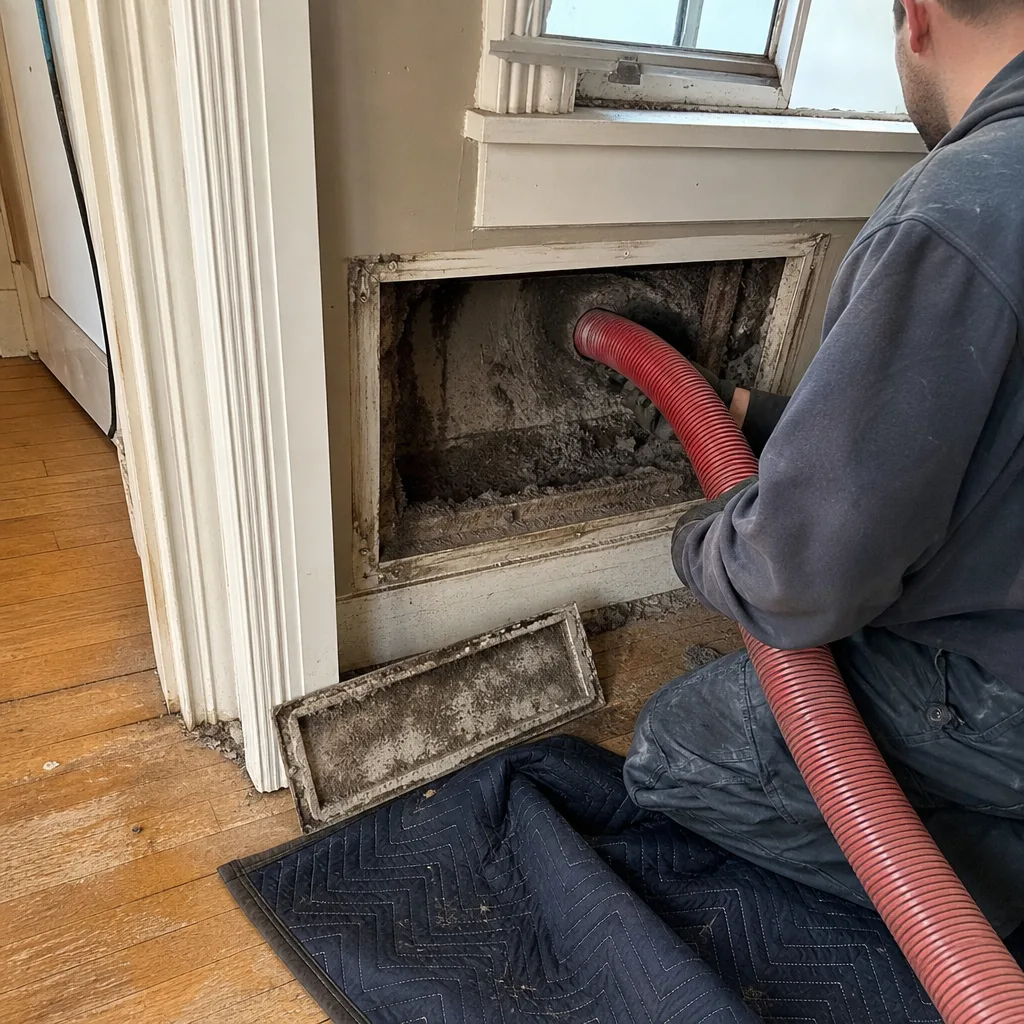 Before
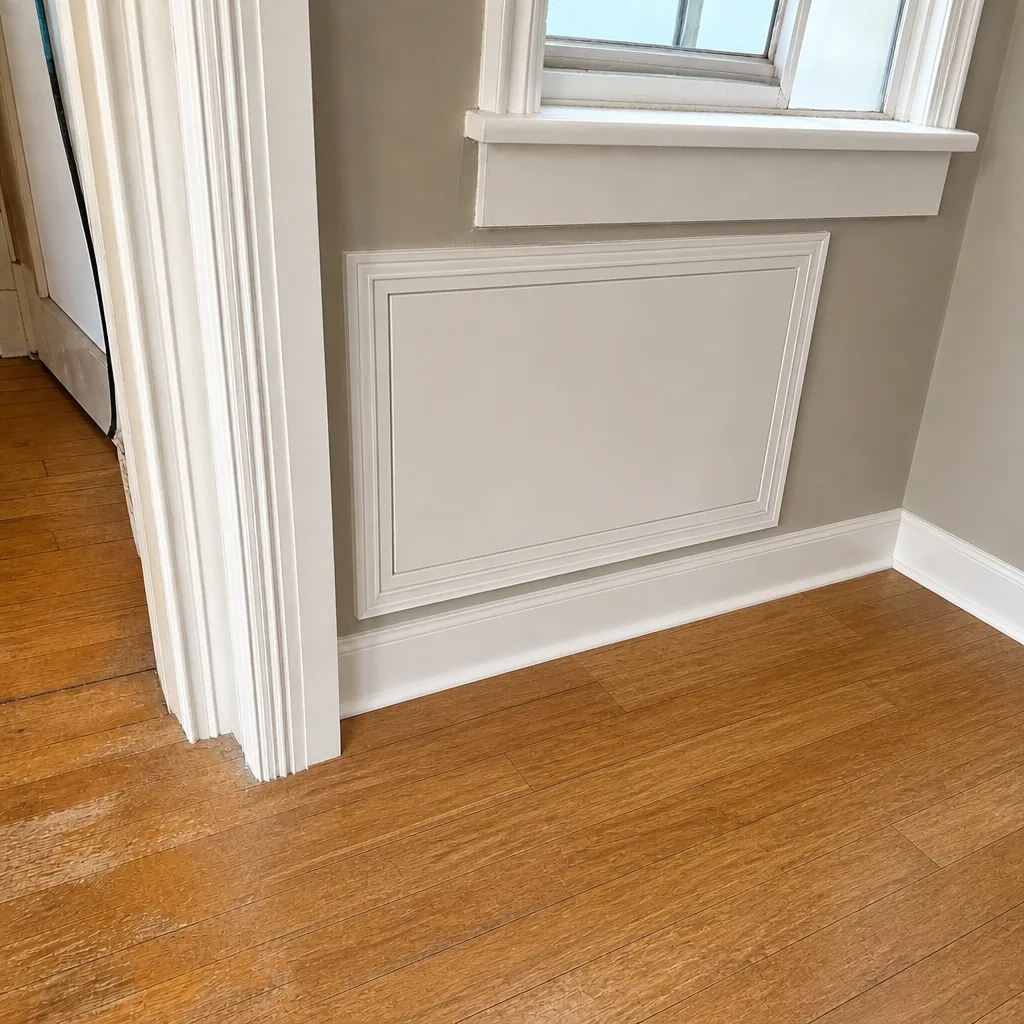 After