
Last updated November 25, 2026
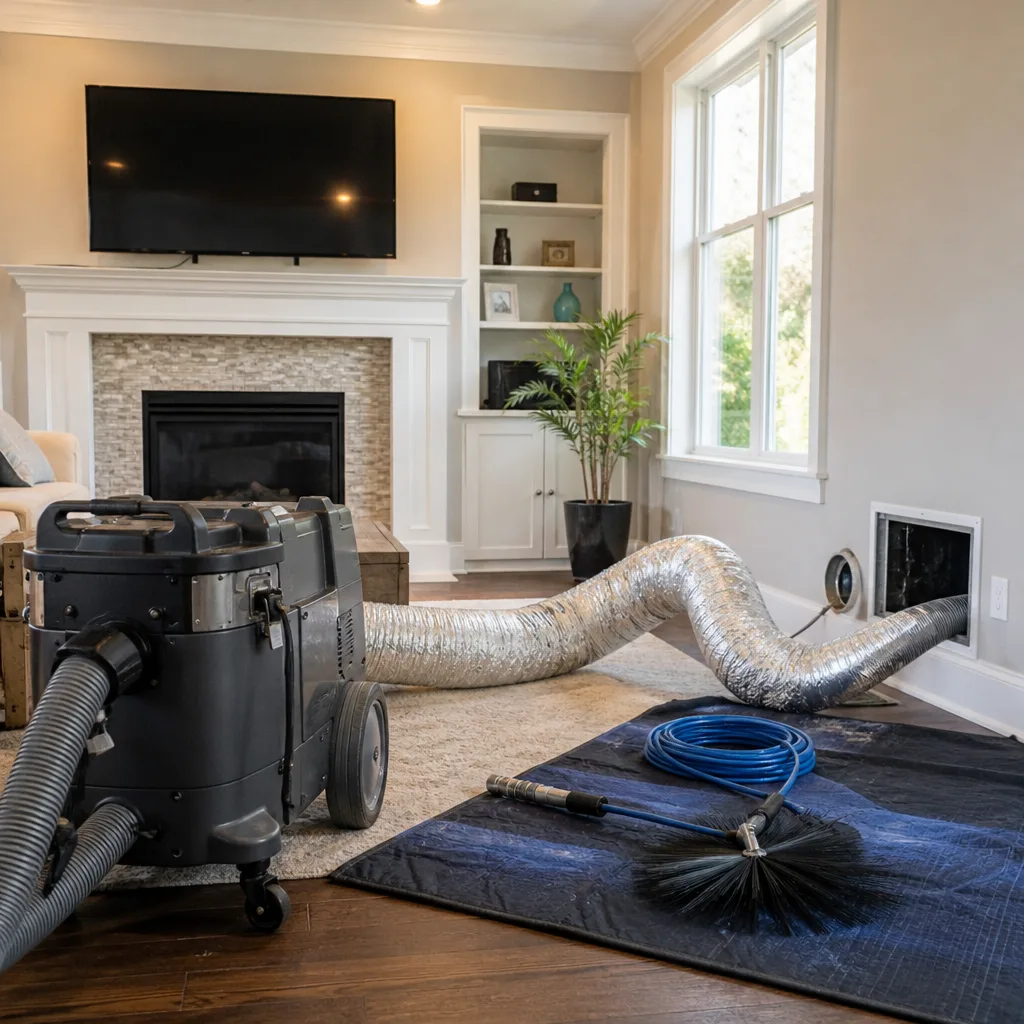 Whole-home duct cleaning
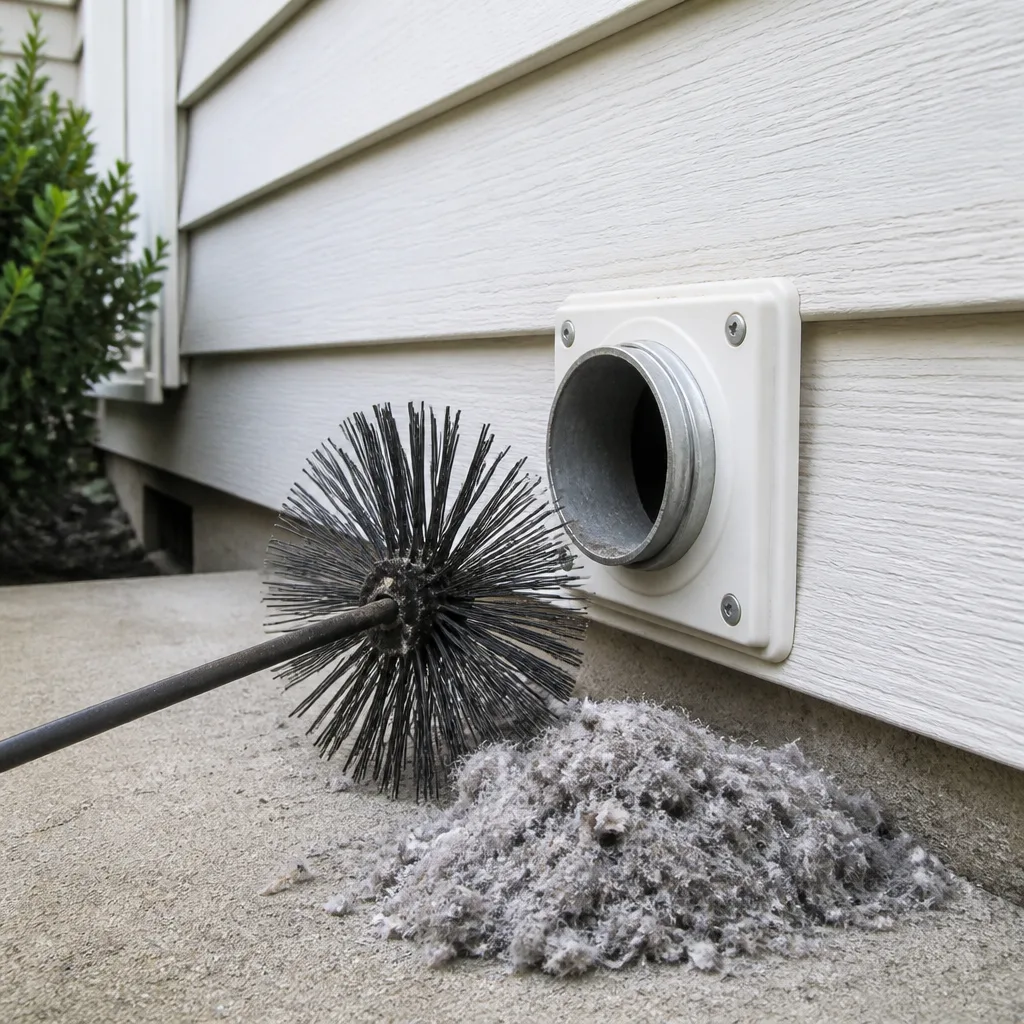 Dryer vent cleaning
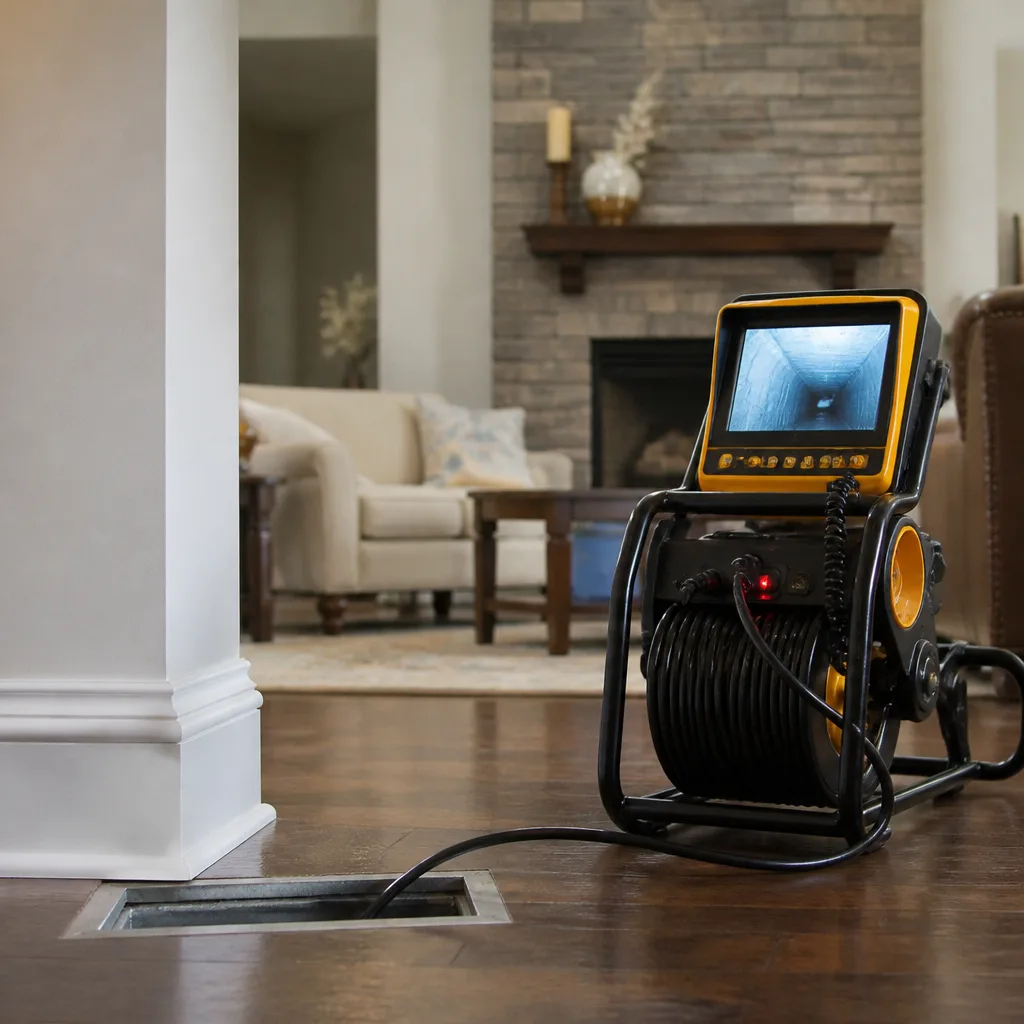 Camera inspection
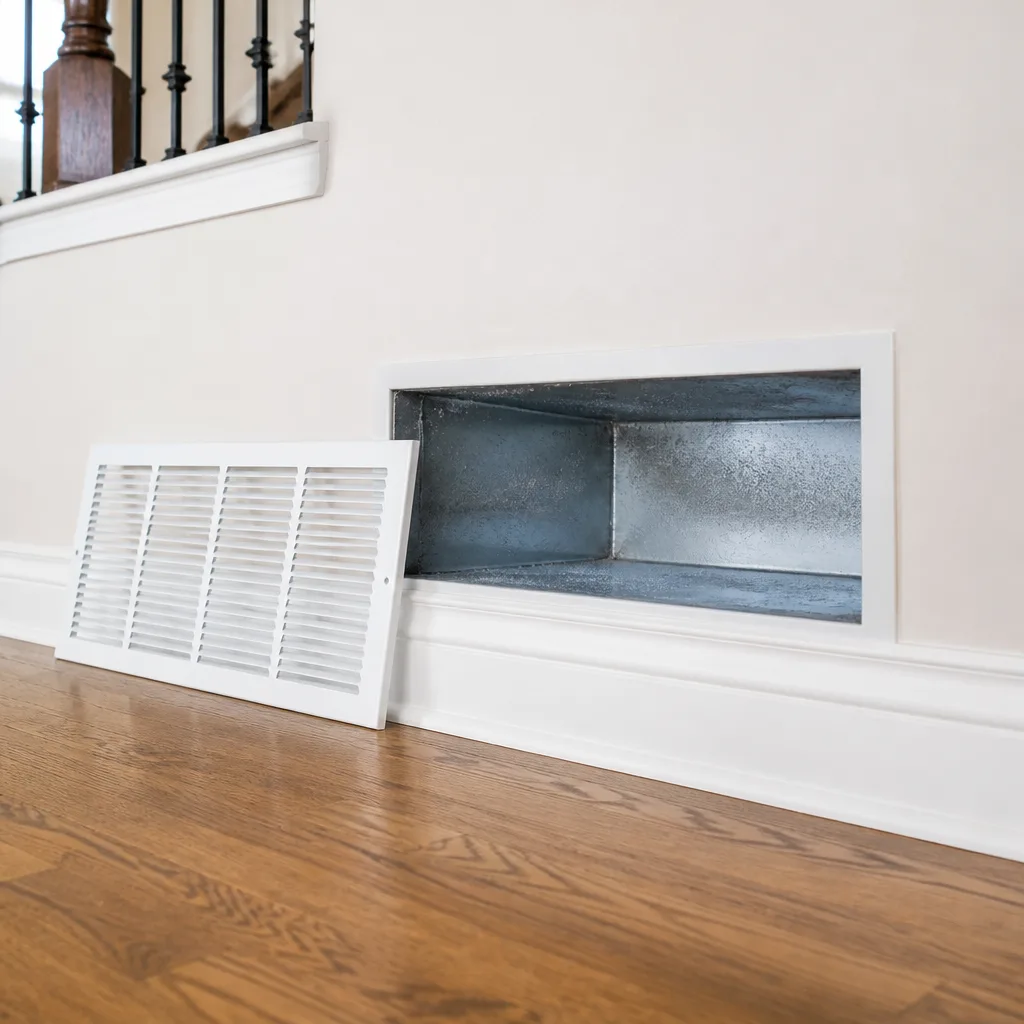 Sanitizing & deodorizing
Whole-system duct and dryer vent check with before-and-after photos - you see exactly what came out of your vents
That "$99 whole-house special" is a bait ad - the real number appears once they are in your hallway, or the "clean" is a shop-vac at the register. We photograph the inside of your ducts before and after instead.
Air Duct Cleaning Emergency Preparedness Guide for Elmwood Village Homes
The furnace is off, the basement is wet, and the ducts are quietly becoming the biggest part of the problem. Most homeowners reach for a shop vac and a fan. That instinct to “dry things out” by running the system is the single costliest mistake we see after a basement flood in Elmwood Village. Once water reaches ductwork, the 48-hour window before microbial growth takes hold in wet insulation lining decides whether cleaning solves the problem or replacement becomes the only path. This guide covers that window, smoke and fire damage, rodent intrusion, insurance documentation, and the local conditions that shape all three.
Quick Answer
If water, smoke, or rodents have reached your duct system in Elmwood Village, shut the HVAC system off immediately, document everything with photos before touching anything, and call a professional to inspect and contain the contamination. Post-flood duct damage is often rescuable within the first 48 hours; after that, wet fiberglass lining can require section replacement. Storm, smoke, and pest situations each have their own protocol, and running the system first spreads the problem through the whole house.
Styles & brands we work with
- Whole-home duct cleaning
- Dryer vent cleaning
- Camera inspection
- Sanitizing & deodorizing
Table of Contents
- Post-Flood Duct Contamination: The 48-Hour Protocol
- Smoke and Fire Damage: Surface Soot vs. Structural Damage
- Rodent Intrusion: Why Sanitizing Is Not Optional
- Documentation for Insurance Claims in New York
- Why Elmwood Village Ducts Face Specific Risks
- What a Professional Emergency Inspection Covers
- Preparing Your System Before the Next Emergency
- What Emergency Duct Work Typically Costs
Post-Flood Duct Contamination: The 48-Hour Protocol
A basement flood that reaches ductwork is a different event than a wet carpet. The ducts are a closed system, and any water that enters collects at low points, soaks into insulation lining, and sits in direct contact with metal that will begin to corrode. The most important variable in whether cleaning is enough is time. Wet fiberglass lining begins supporting microbial growth quickly, and once that growth is established inside the lining, mechanical cleaning can’t remove it. The lining gets replaced.
Here’s the protocol we walk Elmwood Village homeowners through when water has reached the ducts:
- Shut the HVAC system off at the thermostat and the breaker. Do this first. Running the system pulls moisture from wet ducts into the air handler, the evaporator coil, and every connected room.
- Photograph everything before cleanup. Get wide shots of the waterline in the basement, close shots of any duct penetration or register where water entered, and a shot of the thermostat reading.
- Identify which duct runs are wet. Basement trunk lines and the first few feet of branch runs are the usual suspects. Insulated flex duct wicks water farther than people expect.
- Call for an inspection within 24 hours. A professional can tell you within a few minutes whether the lining is salvageable or needs replacement, and that distinction drives the whole rest of the job.
- Do not run fans aimed into the ducts. Air movement across wet lining speeds up the spread of moisture and can lift dislodged material into living spaces.
Notice what’s not on that list: running the system “to dry it out.” That’s the mistake. Heat and airflow through wet ducts don’t dry them. They distribute moisture and any contaminants already present through the air handler and the supply side of the house.
Smoke and Fire Damage: Surface Soot vs. Structural Damage
Not every duct that smells like fire needs replacement. Smoke damage comes in two distinct categories, and the distinction matters more than anything else in the scope of work. Surface soot is a deposit on top of sound duct material. Heat-damaged lining or compromised metal is a structural change, and no amount of cleaning fixes it. Knowing which one you have before agreeing to any scope of work is the single most important thing you can do.
Surface Soot Deposits (Cleanable)
- Characteristic: Uniform black or gray residue on duct walls, often heaviest on the return side and near the air handler.
- Metal integrity: Sound. It rings solid when tapped and shows no warping or pitting.
- Insulation lining: Intact, flexible, and holds its shape.
- Odor: Present but fades steadily as the surface contamination is removed.
- Outcome: Professional cleaning and sanitizing typically resolves the problem.
Heat-Damaged Ducts (Require Replacement)
- Characteristic: Charring, bubbling, or visible discoloration across a duct run.
- Metal integrity: Warped, brittle, or visibly pitted. Sections may separate at seams.
- Insulation lining: Crumbling, fused, or turning to powder when touched.
- Odor: Persistent acrid smell even after cleaning attempts.
- Outcome: The damaged section needs to come out and be replaced.
In a fire-damaged Elmwood Village home, we inspect the entire run, not just the register nearest the fire. Smoke travels the full supply and return network, and heat damage can concentrate in short sections of duct that were closest to the fire’s origin. The faster a proper scope of work is established, the less likely you are to pay for replacement you don’t need, or to accept cleaning for a section that will never be sound again.
Rodent Intrusion: Why Sanitizing Is Not Optional
Rodent activity inside ductwork is more common than most homeowners want to think, especially in older urban housing stock. Mice, squirrels, and occasionally raccoons find their way into duct systems through gaps at the foundation, at roofline penetrations, or at the joints where a duct enters an unconditioned space. Once inside, they leave behind three things mechanical cleaning alone doesn’t fully address: fecal matter, urine, and nesting material.
Here’s why sanitizing is a separate step from cleaning:
- Mechanical cleaning removes the visible debris, including nesting material and droppings, using rotary brushing and HEPA-filtered extraction.
- Microbial and biological contamination exists at a scale cleaning can’t reach, embedded in the pores of duct lining and at seams and joints.
- Sanitizing addresses what’s left behind after debris removal, using Guardsman-grade treatments applied across the duct interior.
Skipping the sanitizing step in a rodent-contaminated system means you’ve removed the visible mess and left the biological residue in place. That residue can carry pathogens, keeps odors active in the system, and re-establishes the environment that attracted pests in the first place. The health reason is straightforward: a system that has hosted rodents should be cleaned and sanitized together, not one or the other.
If you’ve heard scratching in the walls or found droppings near a floor register in Elmwood Village, our air duct cleaning process covers both the mechanical and sanitizing steps through the same visit. Abatement Technologies negative-air machines keep the dislodged material from recirculating into living space during the work, which matters in a pest-contaminated system.
Documentation for Insurance Claims in New York
Duct-related insurance claims in New York hinge on documentation, not on the size of the loss. An adjuster who sees a clean paper trail moves to approval; an adjuster who sees a verbal description of “musty smell in the basement” has nothing to work with. Photographs taken before cleanup begins are the single most valuable piece of evidence, because they cannot be recreated later.
Here’s what claims typically require. Confirm the specific list with your own policy and adjuster; every policy has its own language:
- Dated photographs of the loss – the source of water or fire, the affected area, and the duct penetrations or registers where damage entered the system.
- A written report from a qualified contractor describing the scope of contamination, the affected duct runs, and the recommended remediation.
- Air quality readings before and after remediation where contamination is significant. These establish a baseline and prove the work resolved the condition.
- Receipts and scope-of-work documents showing cleaning, sanitizing, and any necessary repair or replacement as separate line items from the remediation plan.
- Before-and-after photos of the duct interiors to confirm the work was actually performed as scoped.
One practical note for Elmwood Village homeowners: document the state of the system before any cleanup begins, including any cleanup you might be tempted to do yourself. Once you start wiping or vacuuming, the pre-loss condition is gone from the record. Our team takes before-and-after photos of your own ducts as part of every job, and we can coordinate those photos with your insurance documentation if needed.
Why Elmwood Village Ducts Face Specific Risks
Elmwood Village sits in an area of Erie County where the water table runs high enough that basement moisture is an ongoing reality rather than a one-off event. Add an urban neighborhood full of hundred-year-old housing stock and the picture is specific to this place.
Basement Duct Runs and a High Water Table
Most of the homes we see in Elmwood Village have furnace and air handler systems installed in the basement, with trunk lines running across the basement ceiling at low height. When the water table rises and the basement takes on water, those trunk lines are the first part of the duct system it reaches. Basements that have never flooded before can still take on water during a wet season, and duct runs that sit low enough to be affected by a few inches of water are exactly where that moisture will end up. Once the lining is wet, the 48-hour window starts running.
Winter Rodent Pressure in Older Housing Stock
Winter drives rodents indoors across Elmwood Village, and the older housing stock in this neighborhood offers more entry points than a newer subdivision would. Foundation gaps in a century-old home, unsealed utility penetrations, and gaps around older duct runs that leak air into unconditioned space all invite pests in as temperatures drop. Winter is also the season homeowners run the HVAC system more, so any material inside the ducts from a pest intrusion moves through the house with the heated air. Winter prep is one time of year when a HVAC cleaning inspection pays for itself before an intrusion becomes a bigger problem.
These two local factors – the high water table and the winter pest pressure – are what push Elmwood Village into a different category from a typical suburban neighborhood. The risks are not exotic or unusually severe. They just run in this neighborhood every year, and the systems that aren’t ready for them get hit first.
What a Professional Emergency Inspection Covers
An emergency duct inspection is not a glance with a flashlight. It’s a systematic assessment of the whole system, and it produces a scope of work with enough specificity to support both the remediation plan and an insurance claim.
Here’s what a proper inspection covers:
- Visual inspection of all accessible duct runs, including basement trunk lines, branch runs, and the return side up to the air handler.
- Interior inspection using camera equipment where surface access is limited, so hidden sections of duct aren’t guessed at.
- Moisture assessment of insulation lining at low points and near penetrations, especially after a flood event.
- Air quality readings to establish a before baseline in smoke- or pest-related situations.
- A written report describing what’s cleanable, what needs sealing, and what needs replacement, with the reasoning behind each call.
We use Rotobrush rotary brush systems and Nikro HEPA-filtered vacuum equipment on every job, which allows the inspection and the cleaning to happen with the same crew under one service call. Abatement Technologies negative-air machines contain the workspace during service so dislodged debris stays out of living areas. Our technicians have up to 10 years of experience, and the emergency assessment is the single most important step because everything downstream depends on it.
Preparing Your System Before the Next Emergency
Elmwood Village homeowners can’t prevent a wet season or a fire, but they can shorten the response time when something happens. The systems that recover fastest from an emergency are the ones that were already in good condition and already documented. Here are the practical steps:
- Know your system layout. Where is the air handler? Where do the main trunk lines run? Photograph the whole system while it’s clean and store those photos with your homeowner documents.
- Get the ducts cleaned at reasonable intervals. Clean ducts have less material to become entrained in moisture or smoke, and the cleaning and containment process is faster on a system that has been recently serviced.
- Address small leaks and disconnected ducts promptly. Gaps in ductwork let moisture, smoke, and pests into the system. Duct repair and sealing closes the most common access points.
- Keep the dryer vent in working order. A lint-clogged dryer vent is a documented fire risk and an emergency all its own. Our dryer vent cleaning is a fire-prevention measure, not an upsell afterthought.
- Have a plan written down. Know the first three numbers to call: your plumber, your electrician, and your duct and HVAC professional.
Two other preparation steps are worth mentioning: a post-cleaning air quality upgrade for homes that have had contamination events, through Honeywell or Aprilaire filtration solutions that address fine particulates long-term; and the basic pattern of winter prep inspections for older Elmwood Village homes, which catch foundation gaps, unsealed penetrations, and pest activity before they reach the ducts.
What Emergency Duct Work Typically Costs
Emergency duct work in Elmwood Village sits in a range shaped by three variables: the scope of contamination, whether sections need replacement, and whether sanitizing is part of the job. Below are the typical estimated ranges we see in this market, presented as whole-system estimates rather than per-vent pricing. The written estimate you receive sets the final price.
| Service | Typical Estimated Range |
|---|---|
| Emergency inspection with written scope of work | Free of charge |
| Standard whole-system duct cleaning (routine) | $400 – $800 |
| Post-flood duct cleaning with containment | $600 – $1,200 |
| Sanitizing after cleaning (biological contaminants, pests) | $250 – $600 |
| Duct repair and sealing (minor to moderate) | $300 – $900 |
| Insulated flex duct section replacement | $400 – $1,500 per affected run |
| Dryer vent cleaning | $120 – $250 |
| HVAC cleaning (evaporator coil, air handler, blower) | $300 – $700 |
Two things to know about this table. First, the ranges are what we typically see quoted in the Elmwood Village market for these categories of work, not what any one specific job will cost; the actual price is set by the written estimate on the system in front of us. Second, work performed on short notice is not priced differently from work performed on a routine schedule. The price is per job, set by the scope of the written estimate, not by the clock.
If you’re comparing quotes, look past the headline number. A quote that hides the sanitizing step, or that scoops a main line without addressing the branch runs, or that doesn’t mention containment equipment, isn’t cheaper. It’s a smaller scope of work that leaves the underlying problem in place. Better air starts with what you can’t see, and the scope of work in the estimate is where that story gets told.
Common Mistakes to Avoid
- Running the system to dry flooded ducts. This is the most common and most expensive mistake after a basement flood in Elmwood Village. Airflow doesn’t dry wet fiberglass lining. It spreads moisture and contaminants through the whole system, and it turns a cleaner scenario into a full section replacement. Shut the system off first.
- Waiting the weekend to see if the smell fades. Smoke and moisture get worse with time, not better. The 48-hour window on wet lining and the rapid setup of surface soot on duct walls mean a weekend of waiting can be a weekend of damage developing. Call for an inspection the same day.
- Cleaning without containment. Any duct cleaning performed without negative-pressure containment equipment (Abatement Technologies or equivalent) recirculates dislodged debris into living spaces. That’s not cleaning. It’s moving the problem around. Ask any contractor point-blank what containment equipment they use.
- Accepting “sanitizing is included” on a pest-contaminated system. Sanitizing on a rodent-contaminated system means nothing without prior mechanical removal of nesting material and droppings. The sanitizer cannot penetrate material that hasn’t been removed. The steps happen in order: clean, then sanitize.
- Skipping photography before cleanup. Once you wipe, mop, or vacuum, the record of the pre-loss condition disappears. That record is often the difference between a covered claim and a denied one in New York, and it cannot be recreated after cleanup begins.
- Assuming all duct runs are equal. In an older Elmwood Village home, the basement trunk lines and the short branch runs near the air handler are usually affected while runs on the upper floors may be sound. A blanket replacement scope on the whole system, or a blanket cleaning scope, misses the point. The scope should follow the assessment.
- Treating dryer vent cleaning as optional. A clogged dryer vent is a fire risk and an expensive emergency in its own right, but it’s a gradual problem most homeowners never think to check. If a dryer is taking longer to dry loads than it used to, the vent is the first thing to inspect.
See the difference
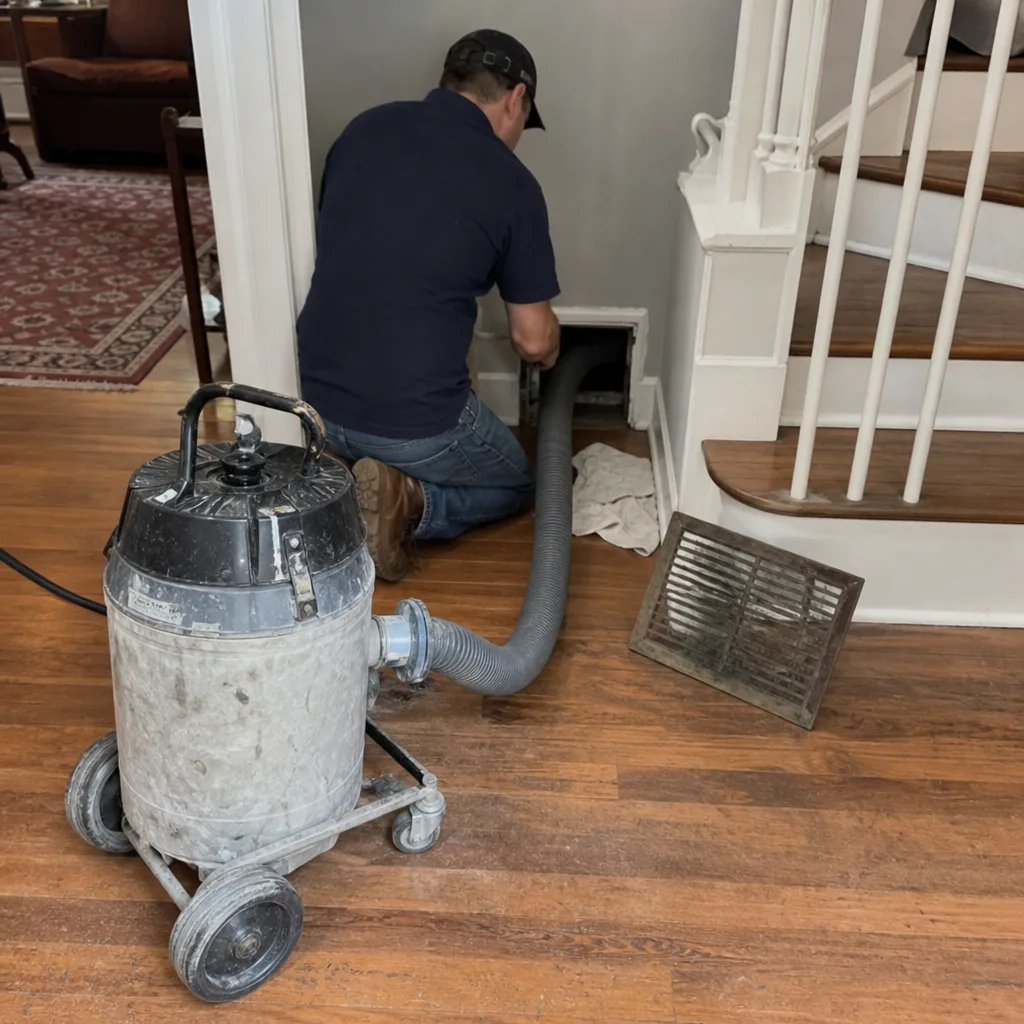 Before
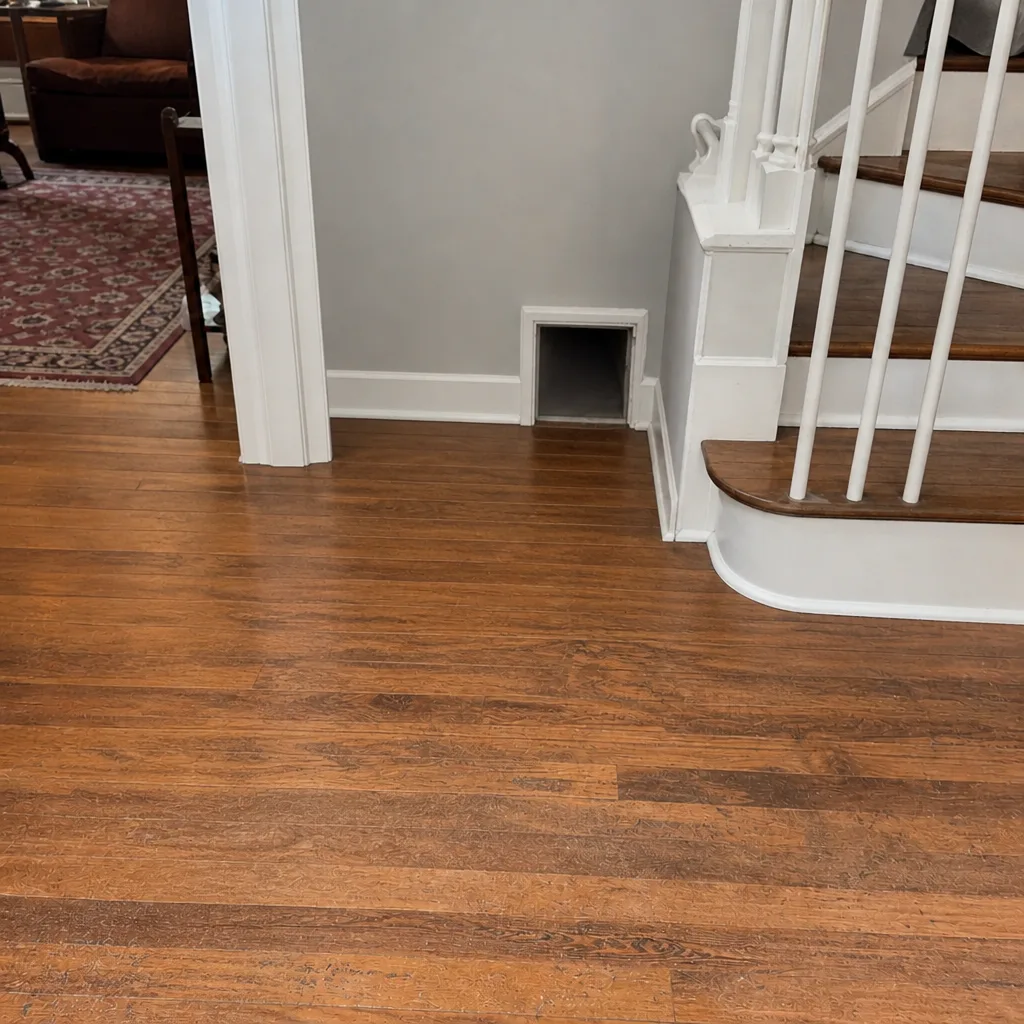 After
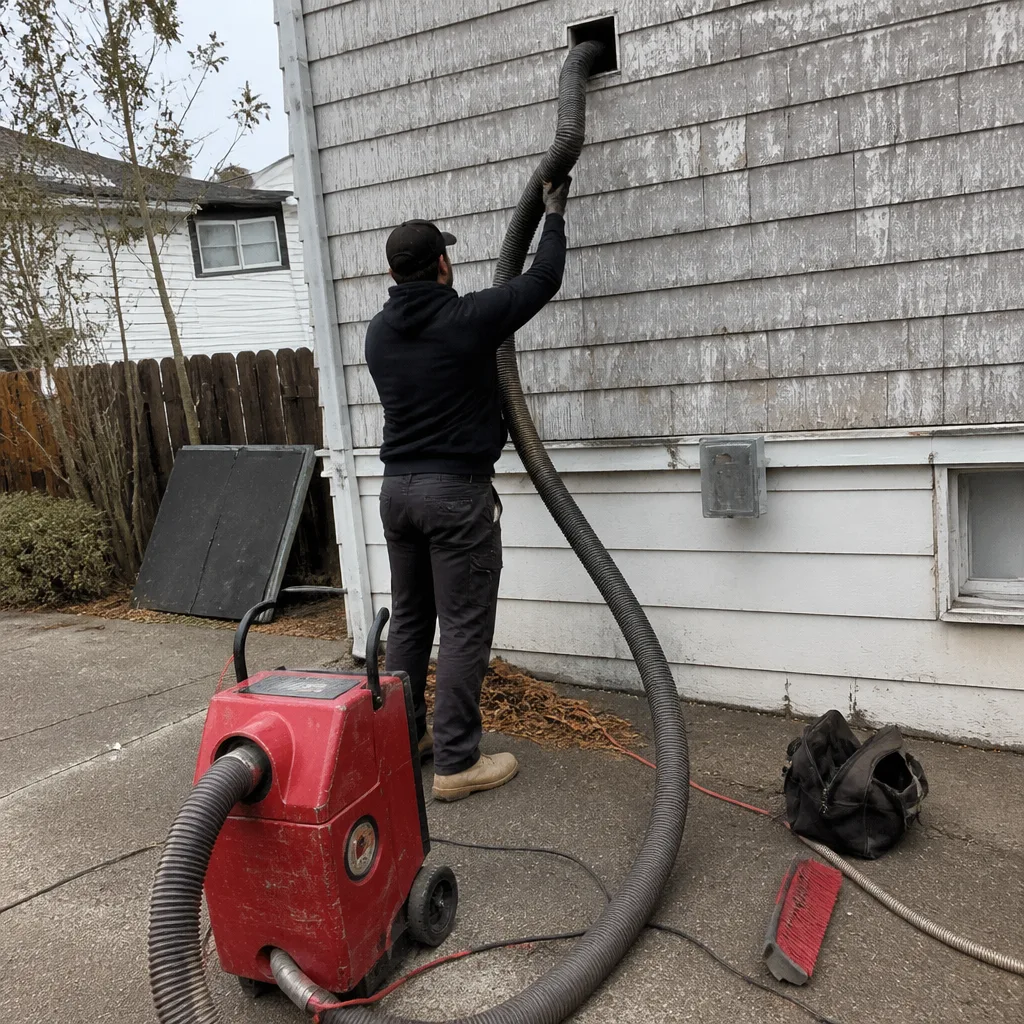 Before
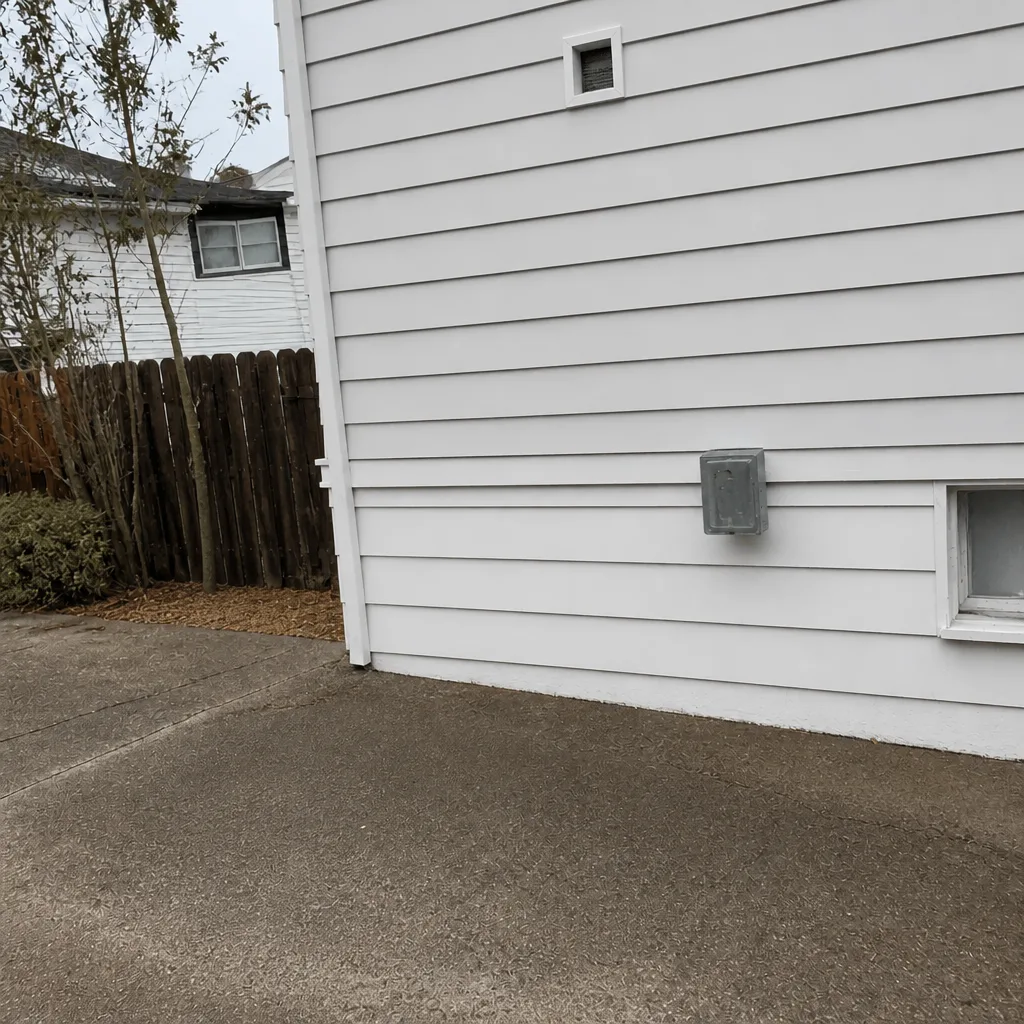 After
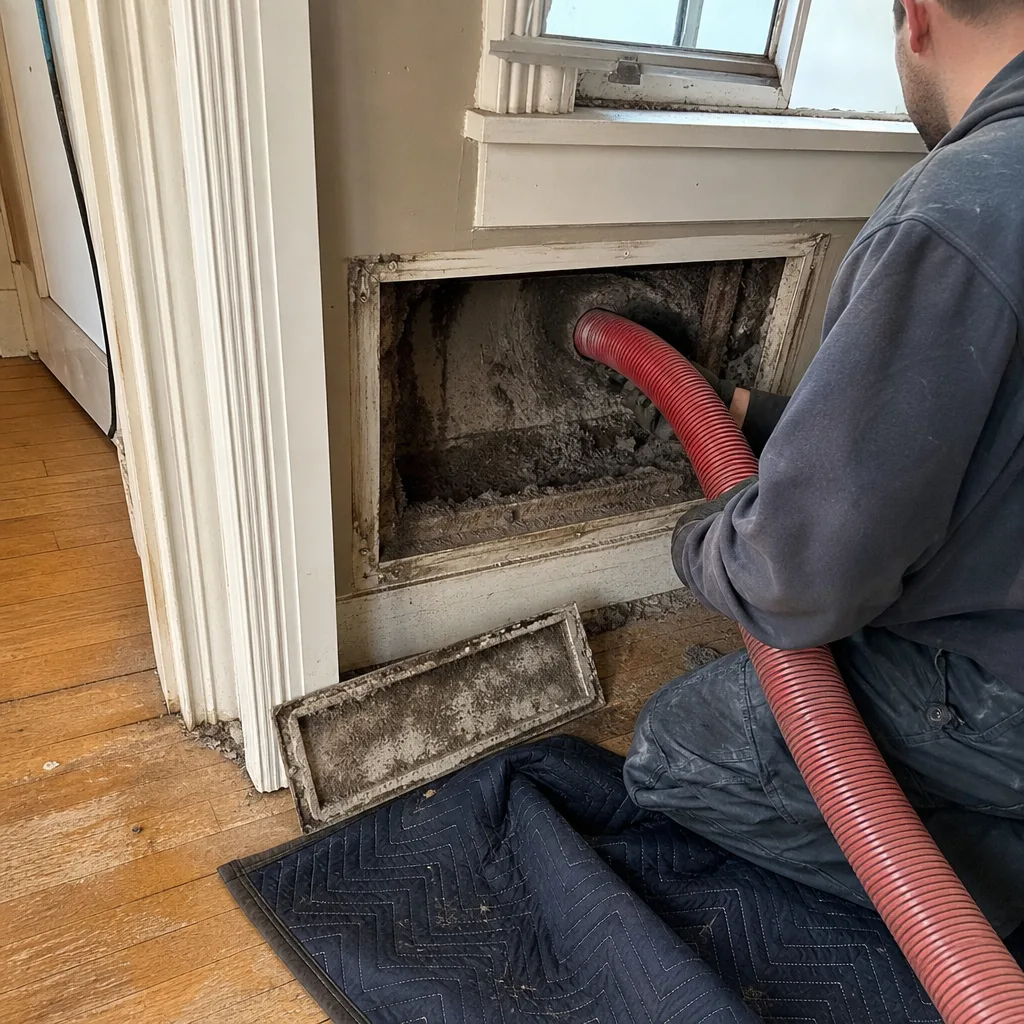 Before
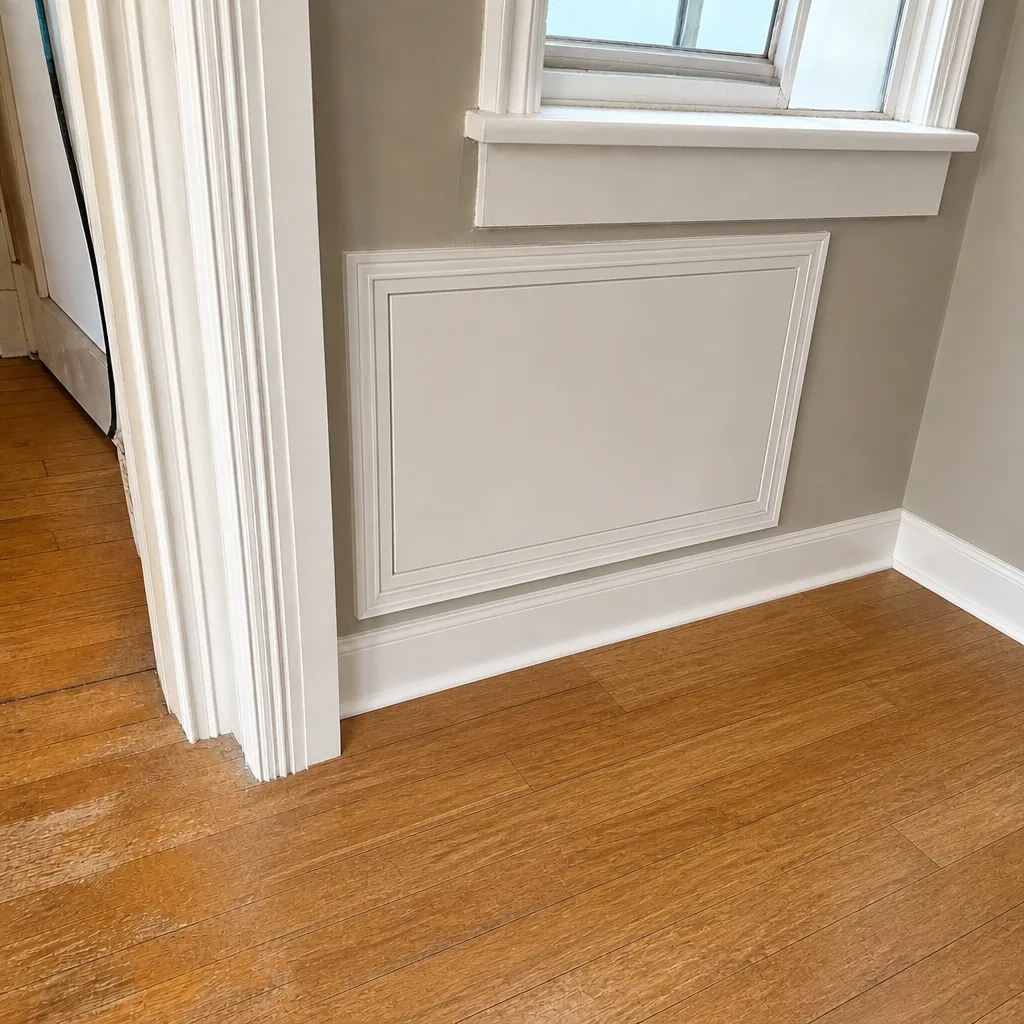 After
When to Call a Professional
Some duct issues are routine, and a schedule-based service call covers them. Others are emergencies, and the timeline matters. Call a professional immediately if any of the following is true: water has reached ductwork at any point, smoke or fire has affected the home, you’ve seen rodents in the system or evidence of rodent activity in ducts, you notice a persistent musty or acrid smell coming from registers, you’ve spotted visible mold growth around a register or duct penetration, or you’re seeing reduced airflow after a basement event. If a contractor has quoted replacement or a large scope of work, get a second assessment before proceeding. The distinction between cleanable and replacement-level damage is worth a second opinion every time.
Air Duct Cleaning Elmwood Village offers free estimates in Elmwood Village. Call (855) 726-7901. We answer 24/7. Fast dispatch from 7am to 7pm, Sunday through Friday. Our Air Duct Cleaning Elmwood Village team handles inspection, cleaning, repair, sealing, and sanitizing through the same service call, with the same crew, so there’s no handoff between the assessment and the work.
Frequently Asked Questions
You have roughly 48 hours before microbial growth begins establishing in wet insulation lining. The exact window depends on the duct material and how much moisture it absorbed, which is why the inspection should happen within 24 hours. Shut the HVAC system off immediately and keep it off until the ducts are assessed. The sooner a professional confirms whether the lining is salvageable, the more likely you’re looking at cleaning rather than replacement. Call (855) 726-7901. We answer 24/7.
Surface soot on sound duct material can be cleaned; heat-damaged or charred lining and warped metal must be replaced. The distinguishing signs are physical: whether the metal rings solid or feels brittle, whether the lining holds its shape or crumbles, and whether the smoke odor fades steadily or stays sharp. Only a professional inspection that follows the full duct run can make that call reliably, because heat damage concentrates in short sections rather than the whole system. The written estimate should state which category each affected section falls into.
Yes, sanitizing is necessary anytime rodents have been inside the system, regardless of the size of the intrusion. Cleaning removes the visible debris and the nesting material; sanitizing addresses the biological residue left behind at the microscopic level, which cleaning can’t reach. Skipping the sanitizing step leaves odors, contamination, and the conditions that attracted pests in the first place. Our Guardsman-grade sanitizing is applied after mechanical removal, never in place of it.
Coverage depends on your specific policy and the source of the damage, and typical claims hinge on documentation rather than the size of the loss. Photographs of the duct condition before cleanup, a written report from the contractor, air quality readings where relevant, and before-and-after documentation of the work performed are the pieces most insurers look for. Confirm the requirements with your own insurer; the documentation is what makes approval likely. Our team photographs your ducts before and after, and those photos become part of the record.
Typical estimated ranges in Elmwood Village are $600 to $1,200 for post-flood cleaning with containment, plus $250 to $600 for sanitizing if biological contamination is involved, and $400 to $1,500 per affected run if insulated duct section replacement becomes necessary. The written estimate sets the final price, and the estimate itself is free. Work on short notice is not priced higher than work on a routine schedule. Call (855) 726-7901 for an exact quote.
Cheaper quotes usually leave out the essential steps – containment equipment, sanitizing, branch line cleaning, or the inspection that determines what’s actually needed – so you’re comparing prices on different scopes rather than different rates. A cheaper quote for a job that scopes less work isn’t cheaper; it just means the underlying problem stays in place. Ask what containment equipment is used, whether sanitizing is a separate step, and whether the whole system is being addressed or only the main trunk. Those three answers tell you what’s really being priced.
The Bottom Line
Emergency duct situations in Elmwood Village share a pattern: the first few hours matter more than the rest of the job. Water, smoke, and rodent intrusion each have their own protocol, but all three depend on shutting the system off, documenting the condition before cleanup, and getting a professional assessment that distinguishes cleanable damage from replacement-level damage. The high water table in Erie County and the winter pest pressure in older urban housing stock mean these situations run in this neighborhood every year, and preparation – clean ducts, sealed access points, working dryer vents, and a documented system baseline – is what makes the difference when one of them happens. The written estimate sets the price. Our technicians have up to 10 years of experience.
Call (855) 726-7901 for a free estimate. We answer 24/7. Fast dispatch from 7am to 7pm, Sunday through Friday. One flat price per system, agreed before work starts, with before-and-after photos of your own ducts.
Written by the team at Air Duct Cleaning Elmwood Village.