
Last updated November 25, 2026
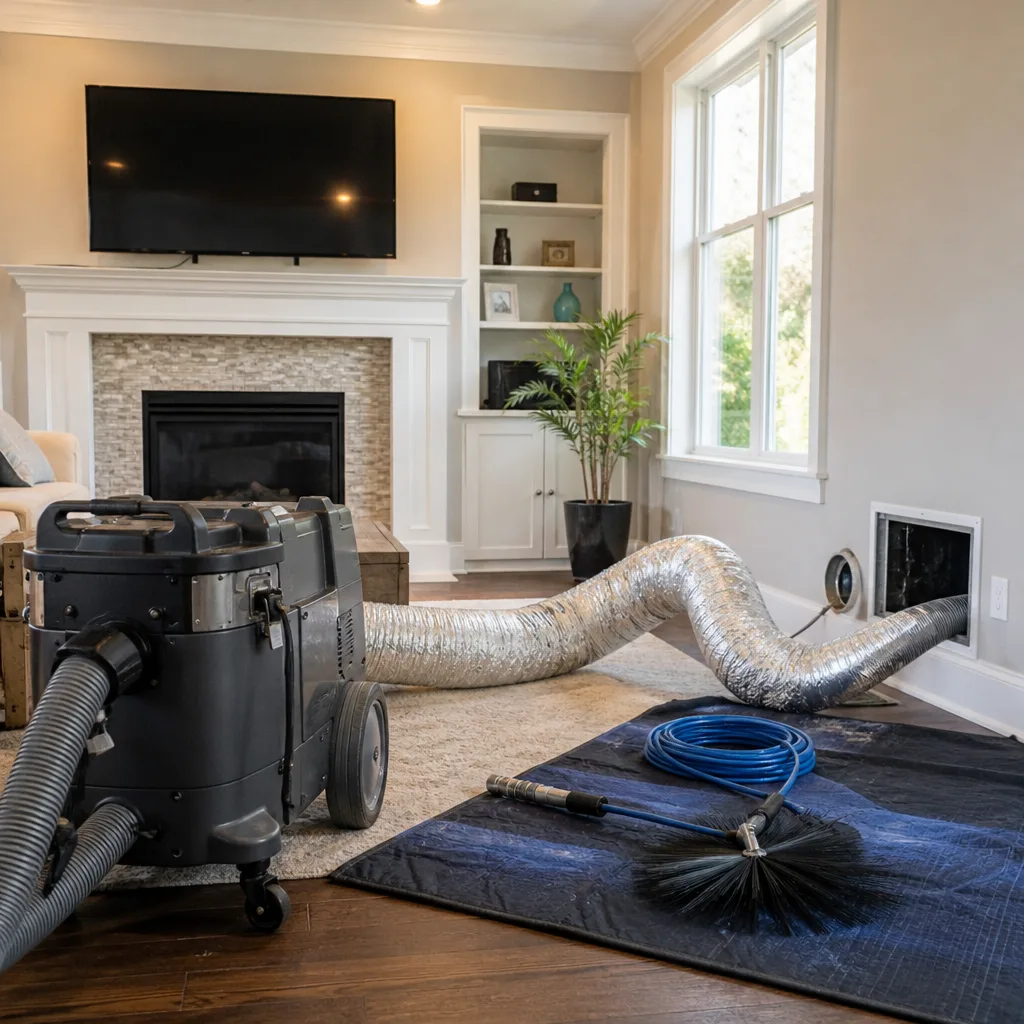 Whole-home duct cleaning
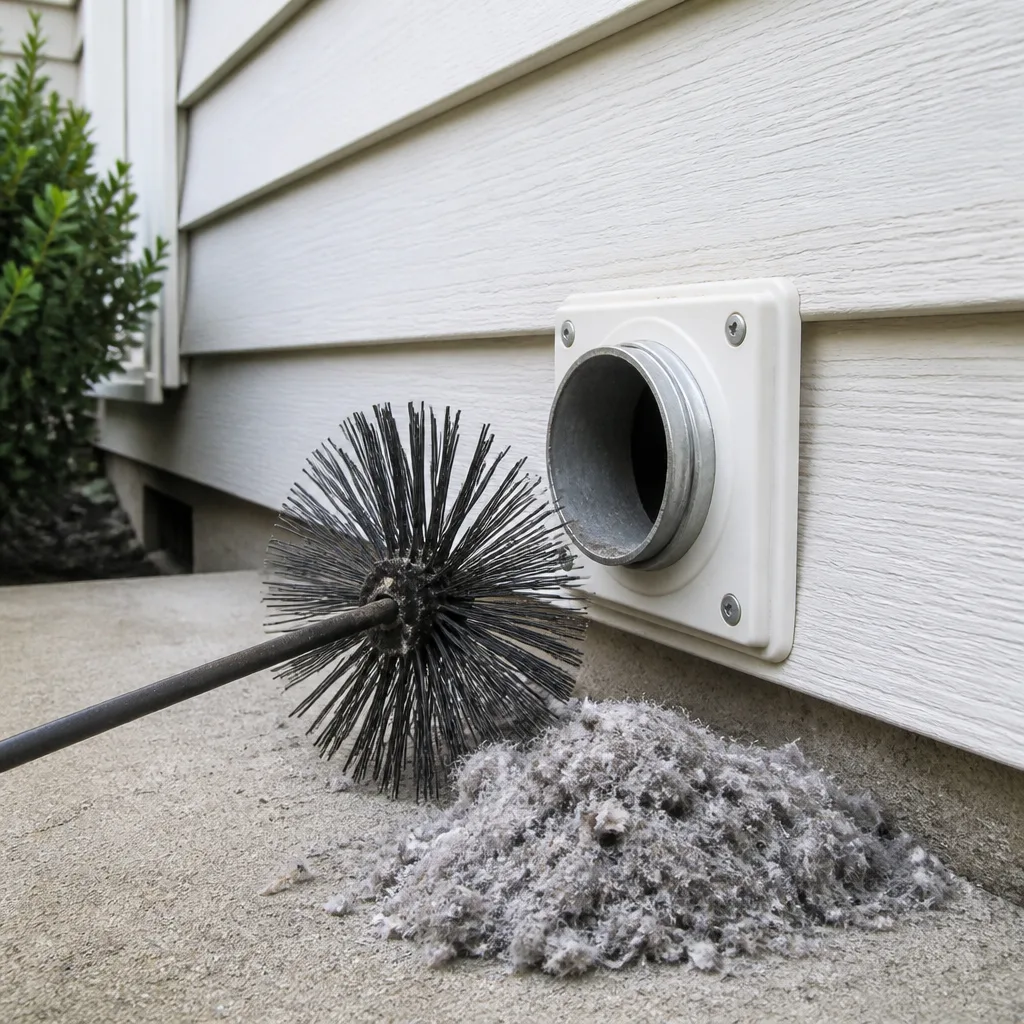 Dryer vent cleaning
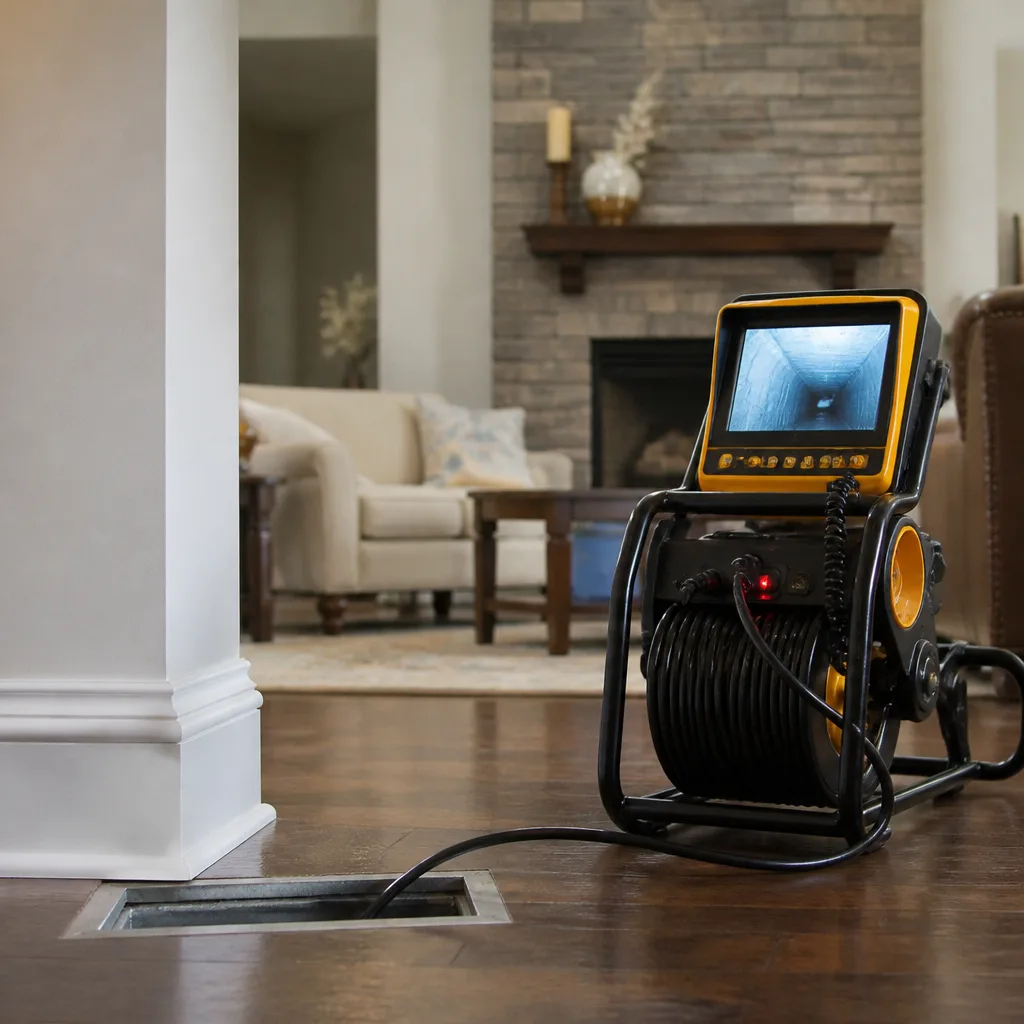 Camera inspection
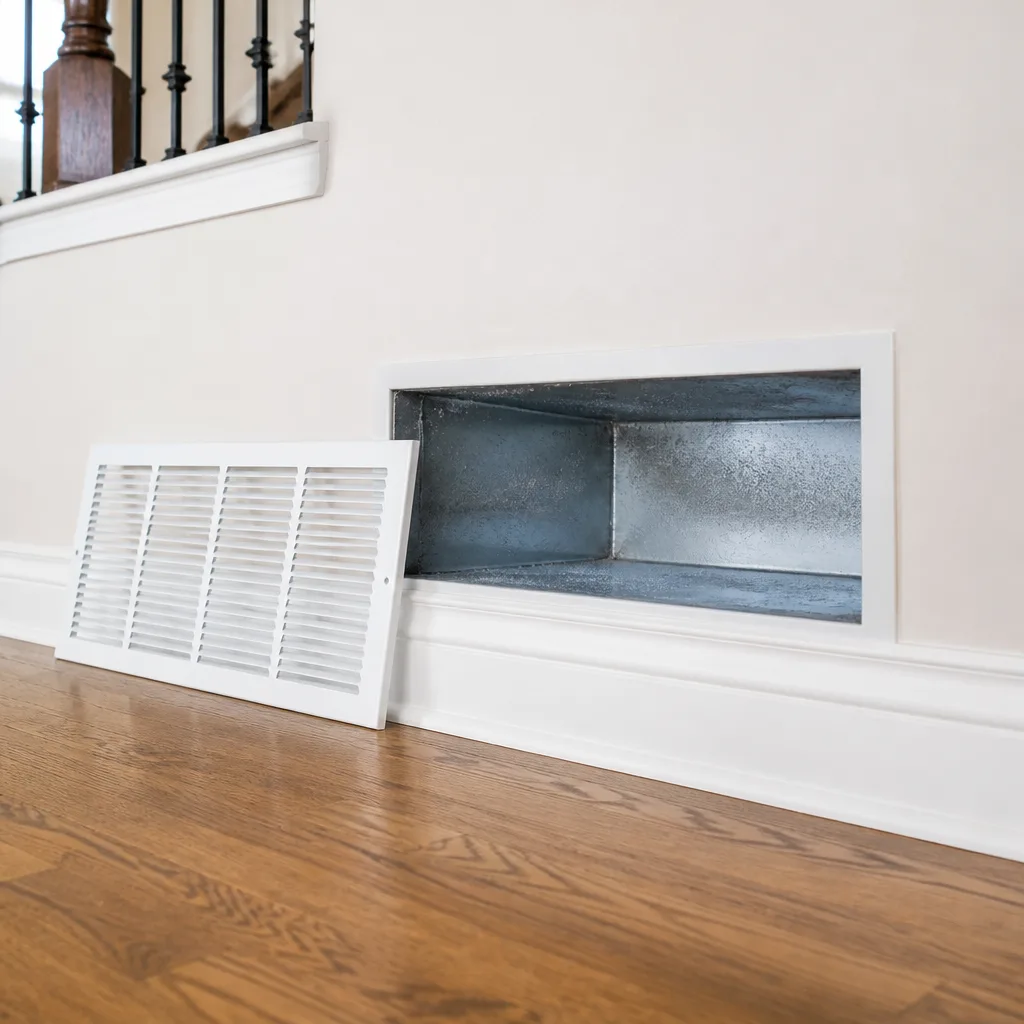 Sanitizing & deodorizing
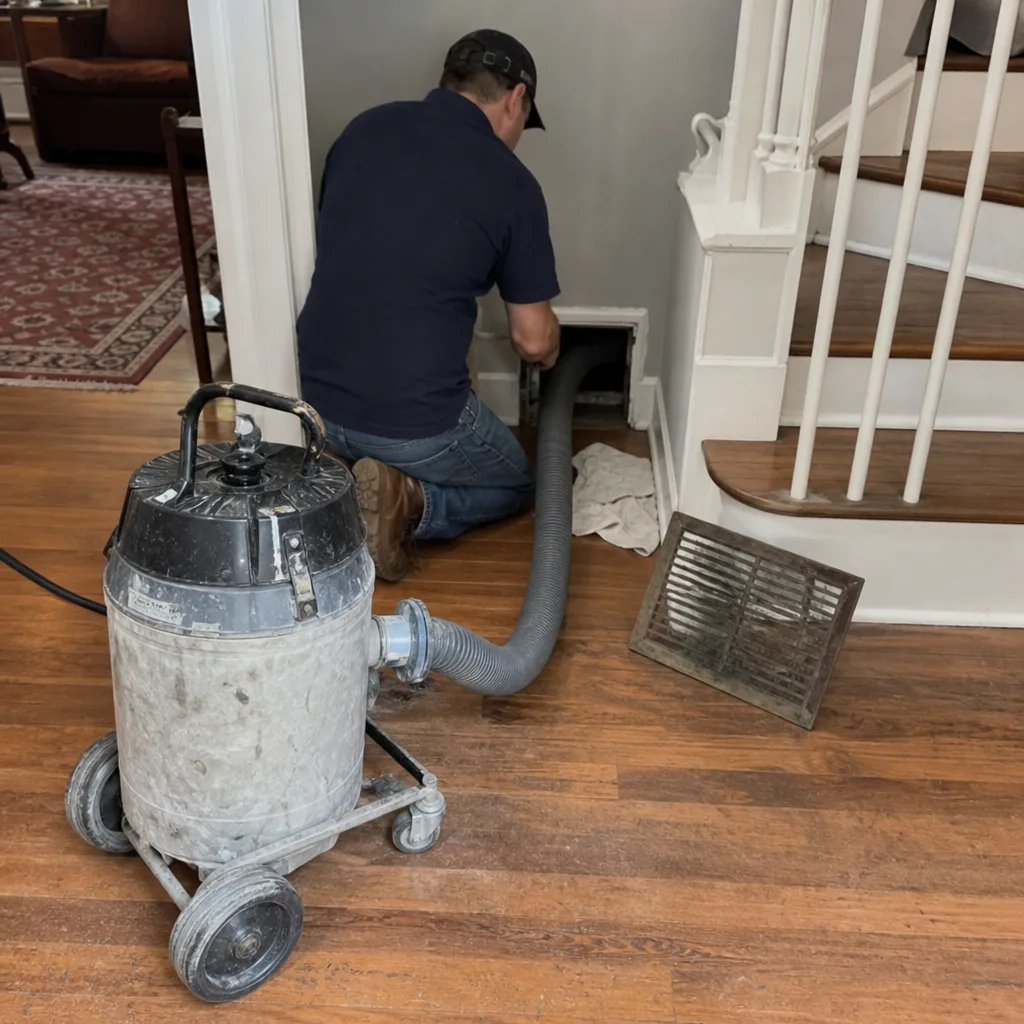
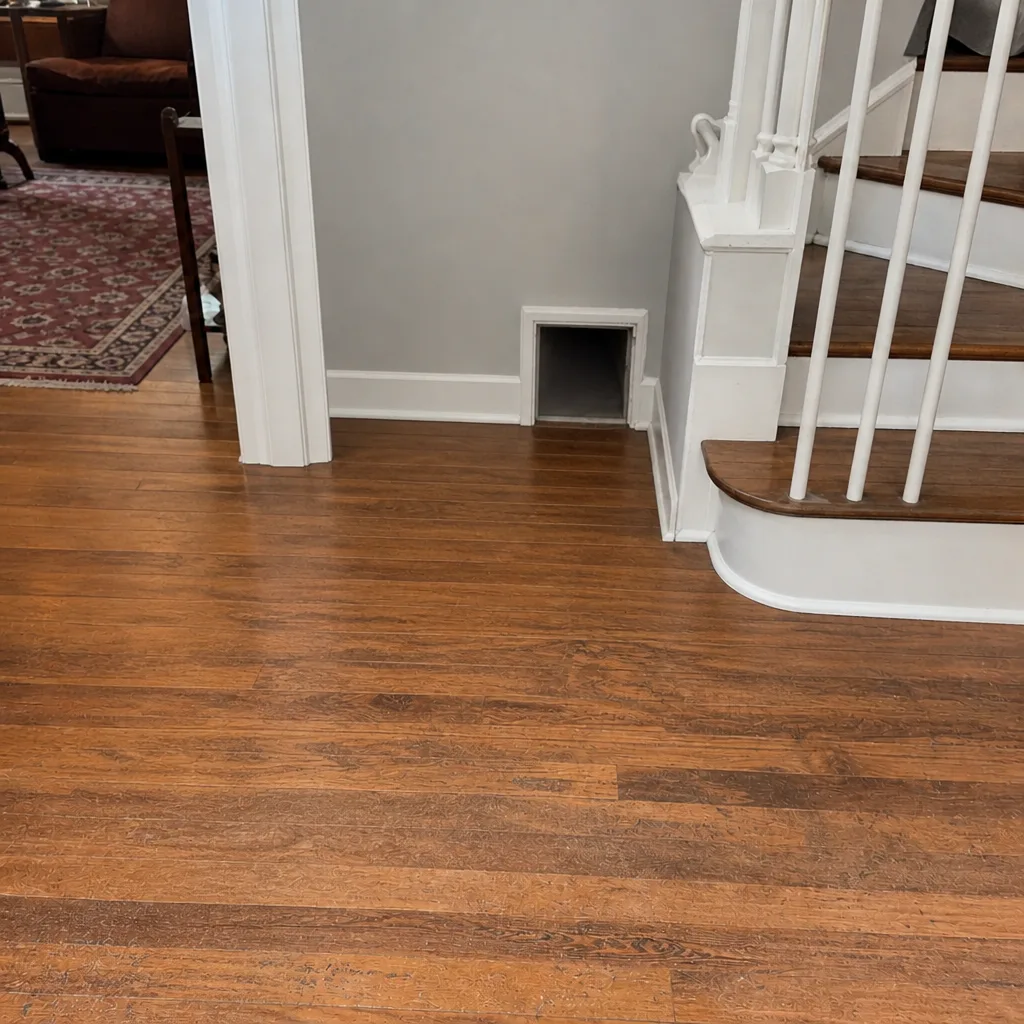
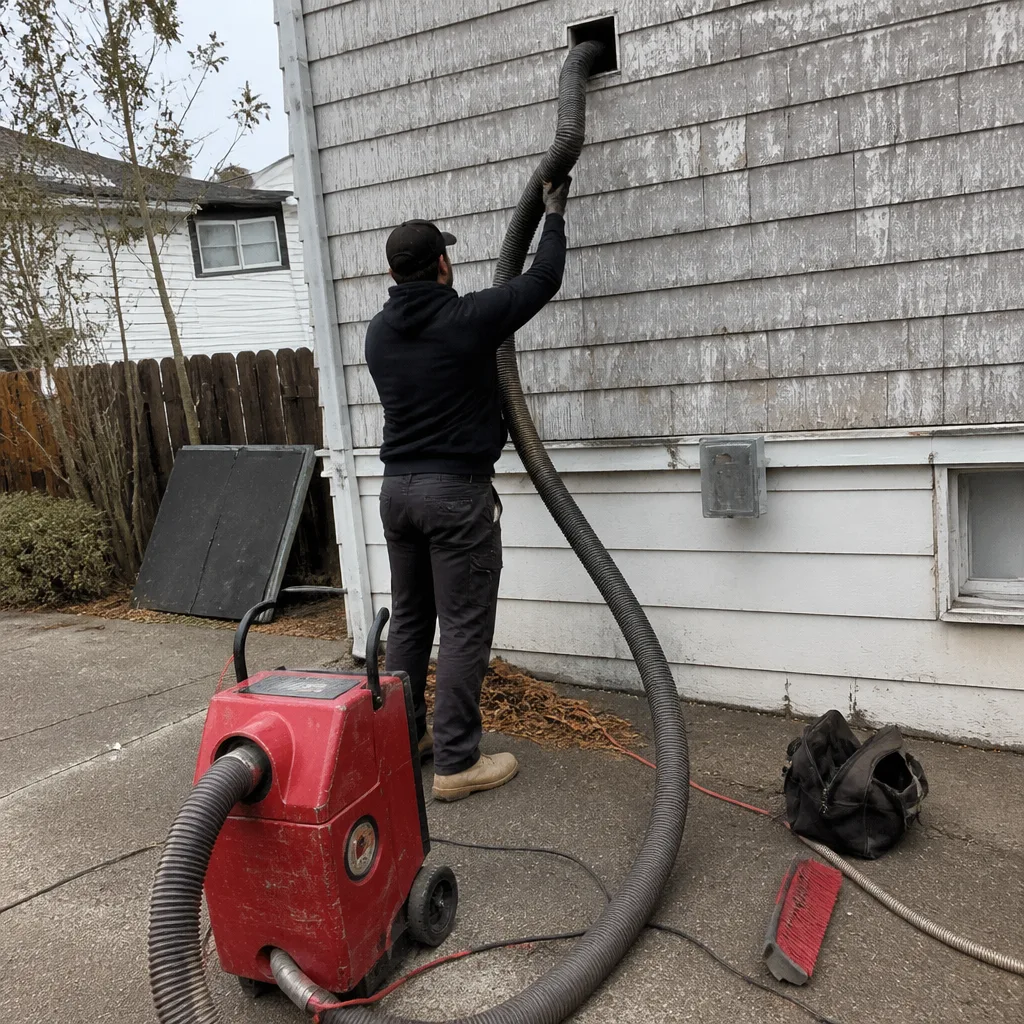
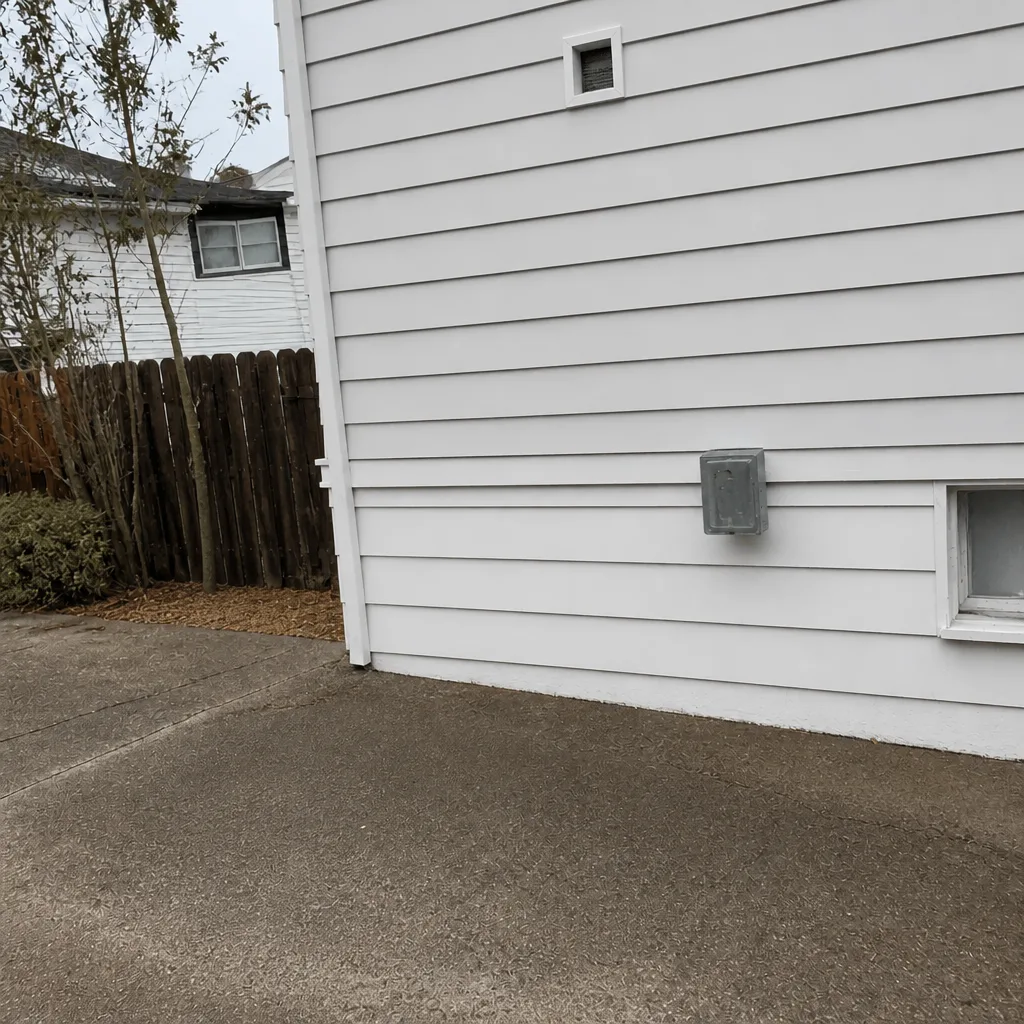
Whole-system duct and dryer vent check with before-and-after photos - you see exactly what came out of your vents
That "$99 whole-house special" is a bait ad - the real number appears once they are in your hallway, or the "clean" is a shop-vac at the register. We photograph the inside of your ducts before and after instead.
Air Duct Cleaning Permits, Codes & Inspections in Elmwood Village, NY: What You Need to Know
Cleaning ducts doesn’t require a permit in New York. Repairing them often does. That gap trips up more homeowners than almost anything else we run into around Elmwood Village: the cleaning job gets scheduled, a technician opens a register and finds a crushed run or a joint that let go in a wall cavity, and suddenly the work has crossed a line from maintenance into a mechanical alteration that Erie County wants permitted and inspected. Most people never think about it until a buyer’s home inspector flags the change years later. This guide walks through the New York State Residential Code provisions that actually govern duct work, where cleaning ends and alteration begins, how permitting and inspection work in Buffalo and Erie County, and what it means for your title when you go to sell. If you want the plain, code-literate version of this subject for Elmwood Village, NY, it’s here.
Quick Answer
Air duct cleaning by itself does not require a permit in New York. The moment a job involves repairing, reconnecting, relocating, replacing or resealing ductwork as part of the mechanical system, it typically becomes an alteration under Chapter 16 (Mechanical) of the New York State Residential Code and needs a permit from the local code official, which in Erie County generally means the City of Buffalo or the relevant town or village building department. Cleaning companies clean. Licensed HVAC contractors perform and permit mechanical repairs.
Styles & brands we work with
- Whole-home duct cleaning
- Dryer vent cleaning
- Camera inspection
- Sanitizing & deodorizing
Table of Contents
- What the New York State Residential Code Says About Duct Work
- Cleaning vs. Alteration: Where the Line Actually Sits
- How Permitting and Inspection Work in Buffalo and Erie County
- Who Can Legally Perform and Permit Mechanical Duct Repairs in NY
- How Unpermitted Duct Work Surfaces During a Home Sale
- What a Code Inspector Actually Looks For
- Why Elmwood Village Housing Stock Makes This Matter
- How to Verify Your Contractor Before Work Starts
What the New York State Residential Code Says About Duct Work
The New York State Residential Code governs one- and two-family dwellings, and its Chapter 16, the Mechanical chapter, is the section that applies to duct systems. It sets requirements for duct materials, support, joints and connections, clearances to combustibles, and the sealing of duct joints and seams in specified locations. The chapter also addresses return air and supply air arrangements, and it works together with the Energy Code provisions on duct sealing in conditioned space. In practical terms, the Mechanical chapter is what a code official consults when deciding whether the duct work in your home is lawfully installed.
What the code does not do is regulate housekeeping. There is no section that says ducts must be cleaned on any schedule, no inspection regime for interior duct cleanliness, and no permit category for vacuuming a system out. That’s worth stating plainly because it’s where a lot of confusion begins. A cleaning company advertising “code-compliant duct cleaning” is using language loosely. Cleaning is a maintenance activity. Compliance applies to installation and alteration.
The provisions that do bind you kick in when the duct system itself changes. Examples include:
- Replacing a section of flexible or rigid duct with a different material
- Reconnecting a run that has separated at a boot, collar or plenum
- Cutting a new access panel or register opening into a wall, floor or ceiling
- Rerouting a duct to serve a renovated room or a relocated appliance
- Sealing duct joints with mastic or approved tape in locations the code requires sealed joints
Those are alterations to the mechanical system, and alterations are what the permit process exists to document. When we perform Air Duct Cleaning Elmwood Village, we inspect the full run before cleaning starts, precisely so that any damaged section gets identified and routed to a licensed contractor rather than quietly taped over.
Cleaning vs. Alteration: Where the Line Actually Sits
The single most useful distinction in this whole subject is the line between cleaning and alteration, because that line determines whether a permit is required. Cleaning removes accumulated debris from the inside of a duct system that is otherwise intact and lawful. Alteration changes the physical system: its routing, its components, its connections, or its openings in the building structure. Cleaning is maintenance. Alteration is construction.
In our experience, the confusion comes from how often the two appear together. A system that has gone many years without service frequently has more than dust inside it. Disconnected flex runs behind finished walls, crushed sections where a joist or a later renovation squeezed the duct, torn insulation, and joints that were never sealed properly are all common finds. The cleaning is what surfaces those conditions. The repair is separate work with separate rules.
Here’s how we classify common findings:
- Cleaning only: debris, dust, pet hair, light buildup on duct walls, dryer lint in the vent line. No permit.
- Maintenance sealing: resealing an accessible joint at a register boot or plenum with approved sealant. Permit requirements vary by jurisdiction and scope; ask the code official.
- Alteration: replacing a duct section, reconnecting a separated run, cutting a new access opening, rerouting, or changing duct material. Permit typically required.
- New installation: adding a duct run to serve new space, or replacing a major portion of the system. Permit required.
The distinction isn’t academic. It determines who is allowed to do the work, whether an inspector signs off, and whether the alteration is documented when the house changes hands. When we handle duct repair and sealing, the scope of what qualifies as permitted alteration gets flagged to the homeowner up front, before a technician opens anything up.
How Permitting and Inspection Work in Buffalo and Erie County
Permits for residential mechanical work in Erie County are issued by the local code official, which means the authority having jurisdiction over the property, not the county as a whole. Buffalo has its own permitting through the city, and each town and village within Erie County runs its own building department. Duct alterations in a one- or two-family home fall under the residential mechanical permit category.
The process generally follows a predictable order:
- Confirm which municipality has jurisdiction over the address and contact its building department for the current submittal requirements.
- The licensed contractor submits a permit application describing the work: what duct sections are being replaced or reconnected, whether new openings are being cut, and what materials are specified.
- The building department reviews and issues the permit, often with the fee scaled to the scope.
- Work proceeds. If the permit requires inspection stages, the contractor schedules them.
- An inspector examines the completed work against the Mechanical chapter and any relevant energy code provisions for duct sealing.
- The permit is closed out, and the inspection record becomes part of the property’s documented history.
One detail that catches homeowners in Elmwood Village: many of the houses here were built in the early twentieth century, and some have had duct systems added well after original construction. When a later alteration gets permitted, the official may look at the system as a whole, not just the new work, if the scope is large enough to trigger it. That’s an argument for permitting from the start instead of after the fact.
Confirming the permit is straightforward. Ask for the permit number before work begins, then call the relevant building department and verify it was pulled for your address and matches the scope described. If a contractor hesitates on that request, that answers your question too.
Who Can Legally Perform and Permit Mechanical Duct Repairs in NY
This is the part people get wrong most often, and it matters regardless of how good the cleaning itself was. A duct cleaning company and a licensed HVAC contractor are not the same credential in New York. Duct cleaning is a service business. Mechanical duct repair, replacement and installation are contractor work governed by state and local licensing requirements, and in most Erie County jurisdictions, the permit for that work has to be pulled by a licensed contractor.
Practically, that means:
- Cleaning companies clean duct systems, dryer vents, and HVAC components. They can identify damage and document it. They generally cannot perform permitted mechanical alterations.
- Licensed HVAC contractors hold the credential and licensing to perform and permit mechanical repairs, including duct replacement, reconnection and rerouting.
- Unlicensed repair work is where the problems start. It might look fine, it might even function, but it has no inspection record and no permit history.
This matters even more when part of the work happens after cleaning. A thorough air duct cleaning job may reveal three or four repair items, only some of which fit under a licensed contractor’s typical scope. Understanding who does what, before the crew arrives, prevents a mid-job scramble and the temptation to accept an offer of “we can just fix it while we’re here.” That offer is where unpermitted work originates.
The correct sequence for a household that needs both: cleaning and inspection first, a written report of findings second, licensed-contractor repair with the proper permit third, and a final cleaning or sanitizing pass after the repairs if the work generated debris.
How Unpermitted Duct Work Surfaces During a Home Sale
Unpermitted duct work doesn’t sit quietly forever. It tends to turn up at the worst moment: during the buyer’s inspection, right when the deal is in negotiation. There is no central registry of duct cleaning, so a cleaning job leaves no trail. A permitted mechanical alteration does. That asymmetry is the whole problem. The buyer’s inspector finds a changed duct configuration, a new register that wasn’t on any plan, or a sealed penetration in a closet wall, and asks the seller for the permit record. If there isn’t one, you’re negotiating over someone else’s short-cut.
The ways it surfaces, in our experience:
- Home inspector notes. A good inspector compares the mechanical layout to the visible evidence – new openings, mismatched duct materials, unsealed penetrations – and calls out anything that looks like undocumented change.
- CO detector requirements. New York requires carbon monoxide alarms in homes with fuel-burning appliances. When a buyer’s inspector sees modified duct work in the vicinity of a furnace or water heater, they often look hard at exhaust venting, and the paper trail connects back.
- Insurance claims. A claim involving heating or ventilation can pull in a review of whether the work was lawfully done. A fire claim that traces back to unpermitted modification is a bad conversation.
- Appraisal and refinance. Some lenders ask for documentation on recent mechanical work, and unpermitted alterations complicate that process.
Cleaning itself leaves no permit trail and creates no liability. That’s a key point for Elmwood Village homeowners anxious about documentation. You can clean freely. But if the cleaning uncovers a repair and you have that repair done, get it permitted and inspected. It costs a bit more and it’s the difference between an asset and a footnote in the disclosure statement.
What a Code Inspector Actually Looks For
The Mechanical chapter isn’t mysterious. An inspector checks a specific set of things, and knowing them helps you ask better questions before a contractor starts. What follows is general guidance on scope, not a substitute for your local code official’s direction on any specific job.
A typical mechanical inspection of residential duct work covers:
- Duct material and support. Is the duct the type and gauge the code calls for, and is it supported at the required intervals without sagging?
- Joints and connections. Are joints connected per manufacturer instructions and sealed where the code requires it?
- Clearances. Are ducts kept the required distance from combustibles and clear of penetrations into prohibited areas?
- Penetrations through rated elements. When a duct passes through a wall, floor or ceiling assembly, is the opening sealed and protected as required?
- Return air arrangements. Is return air drawn from allowable locations, not from a garage, a mechanical room, or another prohibited space?
- Access provisions. Are components that need service access accessible, and are access panels installed correctly?
- Energy code compliance. Are duct joints in unconditioned space sealed as the energy provisions require?
For the cleaning side of a job, inspectors don’t examine duct interiors, so a cleaning operation doesn’t trigger an inspection. What a clean system does is make everything else visible. When our technicians go through a home with HVAC cleaning, the mechanical inspection report we produce often serves as the basis for whatever permitting discussion follows with the licensed contractor and the code official. Our technicians have up to 10 years of experience, and knowing which findings are cosmetic versus code-relevant is part of that experience.
Why Elmwood Village Housing Stock Makes This Matter
Elmwood Village is one of Buffalo’s older residential neighborhoods, and that shapes how duct issues play out here. The housing stock includes many homes built in the early twentieth century, some originally heated with radiators and later retrofitted with forced-air systems. That retrofit history is exactly the kind that creates undocumented duct work. Original gravity systems, later additions of flex duct runs through closets and soffits, and full HVAC conversions all leave layers of change that an inspector can only partially see.
Buffalo’s climate adds another pressure. The long heating season means ducts spend months cycling hot air, and the wide swings between summer humidity and winter dryness work on duct joints, tape and insulation year after year. Flexible duct that was fine a decade ago cracks at flex points. Tape dries out and lifts. Mastic cracks. None of that is a code violation in itself, but it’s the kind of degradation that leads to the repair jobs that do fall under the Mechanical chapter, which is why a seasonal inspection habit is worth having in Elmwood Village.
Some Elmwood Village houses also have basement mechanical systems that sit near original masonry, and duct runs that pass through wall cavities that were never designed for them. When those routes get altered, the code considerations get more complex, and the case for permitting gets stronger. The neighborhoods around the Elmwood strip have a lot of this character. So do the homes along the side streets threading toward Delaware Park. If you’re seeing high dust levels or reduced airflow in a home of that vintage, understand that what looks like a cleaning issue is sometimes a permit issue, and it’s better to find out before a technician opens the wall.
How to Verify Your Contractor Before Work Starts
Asking the right questions before work begins is the simplest protection there is, and it costs nothing. Whether you’re scheduling cleaning, repair, or both, the verification steps below catch almost every problem in advance. None of them require technical expertise, and a legitimate contractor will welcome them.
- Ask what the scope is. Cleaning only, or cleaning plus identified repairs? Get the answer in writing, with the repair items listed separately.
- Ask who performs the repairs. If the answer is a licensed HVAC contractor, ask for the license credential and the permit plan. If the answer is “we do it ourselves,” ask for the permit plan. If neither is forthcoming, pause.
- Confirm who pulls the permit. The permit for mechanical alteration should be in the name of the licensed contractor performing the work, not the homeowner’s.
- Call the jurisdictional building department. Buffalo or the relevant town or village in Erie County. Ask whether the address is in their jurisdiction and confirm they have issued a permit for the described scope.
- Ask for the inspection schedule. If the permit requires an inspection, know when it happens and whether it happens before the system is put back into service.
- Keep the documentation. Permit number, inspection record, and written scope belong with your home records. They’re your title-defense if you sell.
We’ll add one more, specific to cleaning: ask about containment. A professional-grade job uses equipment designed for the work, not shop vacuums. We run Rotobrush rotary brush systems and Nikro HEPA-filtered extraction, with Abatement Technologies negative-air machines maintaining containment so debris doesn’t recirculate into living space. That matters because when a technician can see the full duct interior without contaminating the home, the findings report is more accurate, and that’s the report the licensed contractor and code official will work from. Better air quality starts with what you can’t see, and so does good documentation.
Common Mistakes to Avoid
- Assuming no permit means no problem. Unpermitted work is invisible until a sale, a claim, or an inspection. Skipping the permit doesn’t protect you, it defers the problem.
- Letting the cleaning company “just fix it” on the spot. Repair offered mid-job is often unpermitted. Ask for the license credential and the permit plan before any repair begins, even a small reconnection.
- Confusing a cleaning invoice with a mechanical record. A cleaning job leaves no permitting trail. If you had an alteration done, get the permit number separately. It’s the only documentation that counts.
- Cutting new register openings without checking code first. It looks simple. A new opening in a wall, floor or ceiling assembly can implicate the Mechanical chapter and the energy code, and it’s exactly the kind of change an inspector will flag.
- Ignoring the CO detector question. New York’s carbon monoxide alarm requirement ties into mechanical systems. If your duct system is being altered, confirm exhaust venting is inspected as part of that scope, not after.
- Hiring on price alone. A lower quote that leaves permitting and inspection out of scope is not cheaper once the sale or the insurance claim happens. Compare what’s documented, not just what’s quoted.
- Skipping the cleaning because you’re worried about permitting. Cleaning doesn’t require a permit. It’s the repair side that does. A clean system is easier to inspect, easier to sell, and easier to live with.
See the difference
 Before
 After
 Before
 After
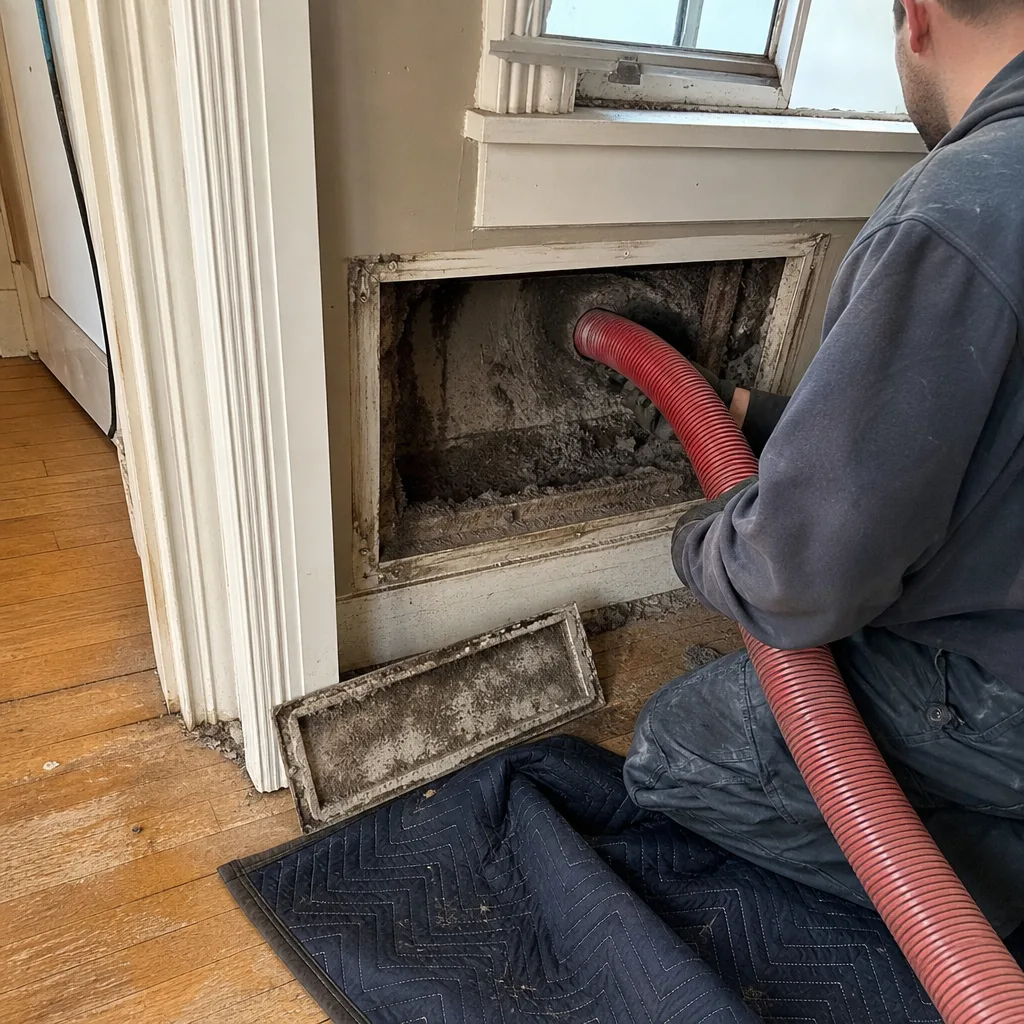 Before
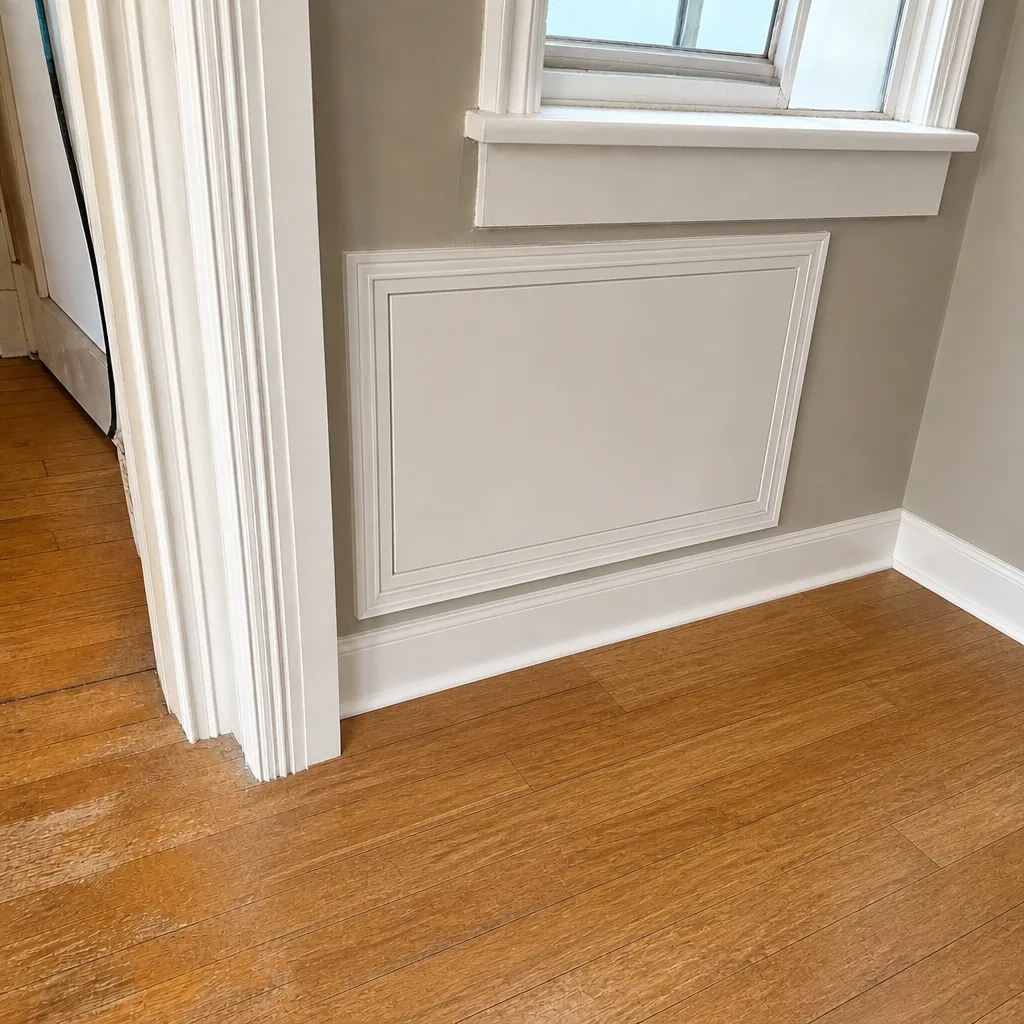 After
When to Call a Professional
Some duct work is clearly inspection territory and deserves a professional set of eyes. If you’re seeing visible dust blowing from supply registers after the HVAC cycles, persistent musty odors, or a dryer that takes longer than a single cycle to dry a load, those are common signs of duct or vent problems worth investigating. Homes in Elmwood Village where the HVAC system hasn’t been serviced in several years fit that profile. So do houses where a renovation in the recent past changed the duct layout, or where a home inspector flagged duct connections as a repair item. If you’re buying or selling and need documentation on what’s actually inside the system, an inspection is a reasonable first step before any repair decisions are made. Air Duct Cleaning Elmwood Village offers free estimates in Elmwood Village – call (855) 726-7901. We answer 24/7 for scheduling, with fast dispatch from 7am to 7pm, Sunday through Friday. We handle cleaning, inspection and sanitizing, and we route mechanical repair to licensed contractors who can permit the work properly.
Frequently Asked Questions
No. Air duct cleaning by itself does not require a permit in New York. Cleaning is maintenance activity, not alteration to the mechanical system, and no permit category covers it. If cleaning uncovers a damaged duct that needs repair or replacement, that repair work is where permitting begins. Call (855) 726-7901 for a free estimate – estimates are free.
The Mechanical chapter, Chapter 16 of the New York State Residential Code, covers duct materials, support, joints, sealing, clearances to combustibles, return air arrangements and access provisions for one- and two-family dwellings. Energy code provisions add duct sealing requirements in certain locations. A duct alteration that changes the system needs a permit under those provisions. Call (855) 726-7901 to talk through what your specific job involves.
Mechanical duct repairs, replacement and installation have to be performed and permitted by a licensed HVAC contractor in NY. A duct cleaning company can clean and inspect but generally cannot perform or permit mechanical alterations. Confirming the contractor’s license and the permit before work starts is the simplest protection. Call (855) 726-7901 for a free estimate and we’ll help you sort out what falls on which side of the line.
Yes, potentially. Home inspectors flag changed duct configurations and undocumented alterations, lenders and insurers may ask for records, and unpermitted work complicates the disclosure process. The cleanest path is to permit any alteration when it’s done, keep the permit and inspection record, and have it available at sale. Call (855) 726-7901 to start with a cleaning and inspection report.
Air duct cleaning is priced per system, not per vent, and the final price is set by the written estimate after we understand your system’s layout and any findings from the inspection. Uniform per-vent pricing hides the labor differences between homes, which is why we don’t quote that way. Call (855) 726-7901 for a free estimate – the written scope and price are agreed before any work begins.
There isn’t a universal rule. Homes with pets, recent renovation dust, smokers, or ongoing allergy symptoms tend to need service sooner than houses with light use and clean mechanical rooms. In a Buffalo climate with a long heating season, a regular inspection is a reasonable habit even when cleaning isn’t due. Call (855) 726-7901 for a free estimate and a straight assessment.
The Bottom Line
Cleaning your ducts in Elmwood Village is maintenance and doesn’t need a permit. Repairing, reconnecting, rerouting or replacing them does, and that work falls under Chapter 16 (Mechanical) of the New York State Residential Code, enforced by the local building department in Buffalo or the relevant Erie County town or village. The safest sequence is straightforward: professional cleaning and inspection first, a written report of findings second, licensed-contractor repair with the permit pulled correctly third, and a final pass after the repairs. Keep the permit number and inspection record with your home documents. That single habit protects you at sale, at claim, and at inspection time. If you want to know what’s actually inside your duct system before tackling repairs, get a clean, documented inspection first.
Call (855) 726-7901 for a free estimate. We answer 24/7. Fast dispatch from 7am to 7pm, Sunday through Friday.
If you need help clarifying which parts of your duct work are cleaning and which are alteration, one call sorts it out. Our technicians have up to 10 years of experience reading duct systems, and we use professional equipment – Rotobrush rotary brush agitation, Nikro HEPA extraction, Abatement Technologies containment – so the report you get reflects what’s actually there. Whether the next step is dryer vent cleaning for a vent you’re not sure about, a full system inspection, or a scoped cleaning before you talk to a licensed contractor about repairs, we’re glad to help.
Written by the team at Air Duct Cleaning Elmwood Village.