
Last updated November 25, 2026
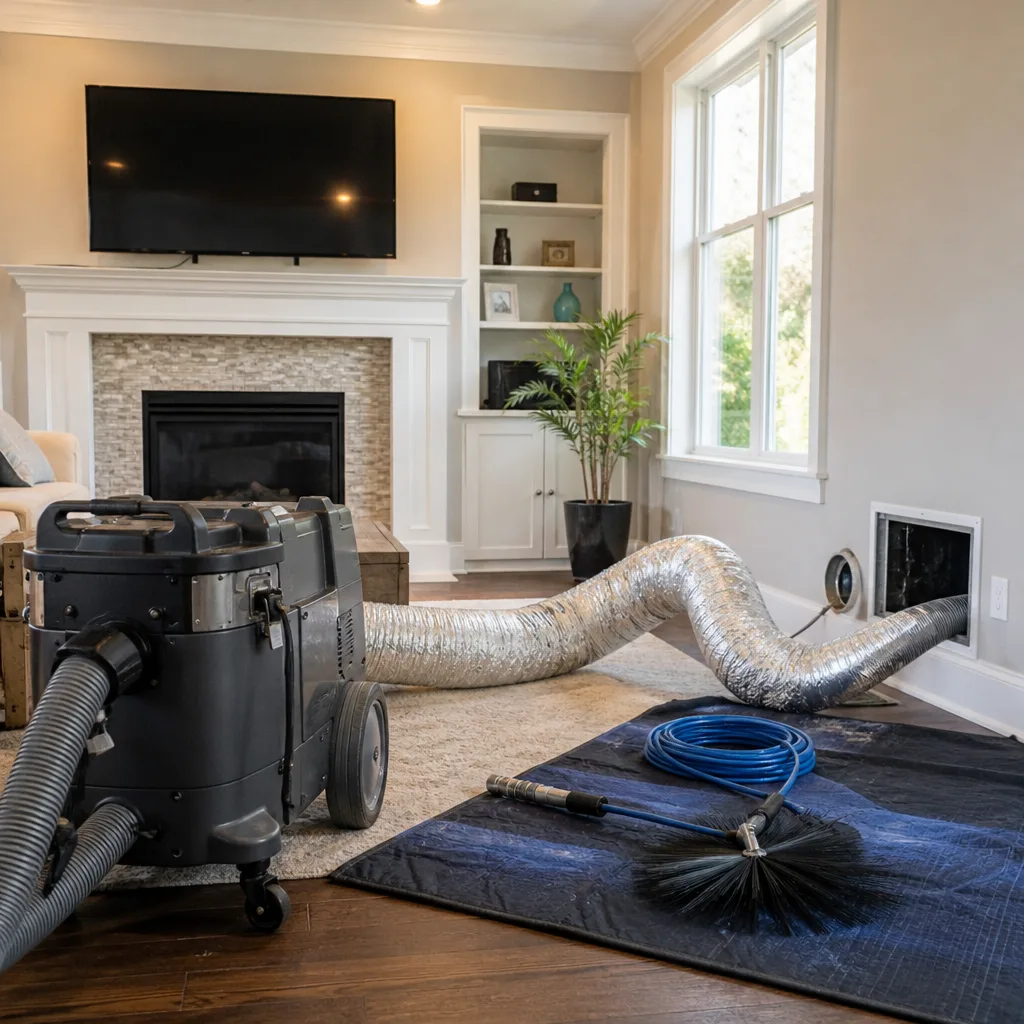 Whole-home duct cleaning
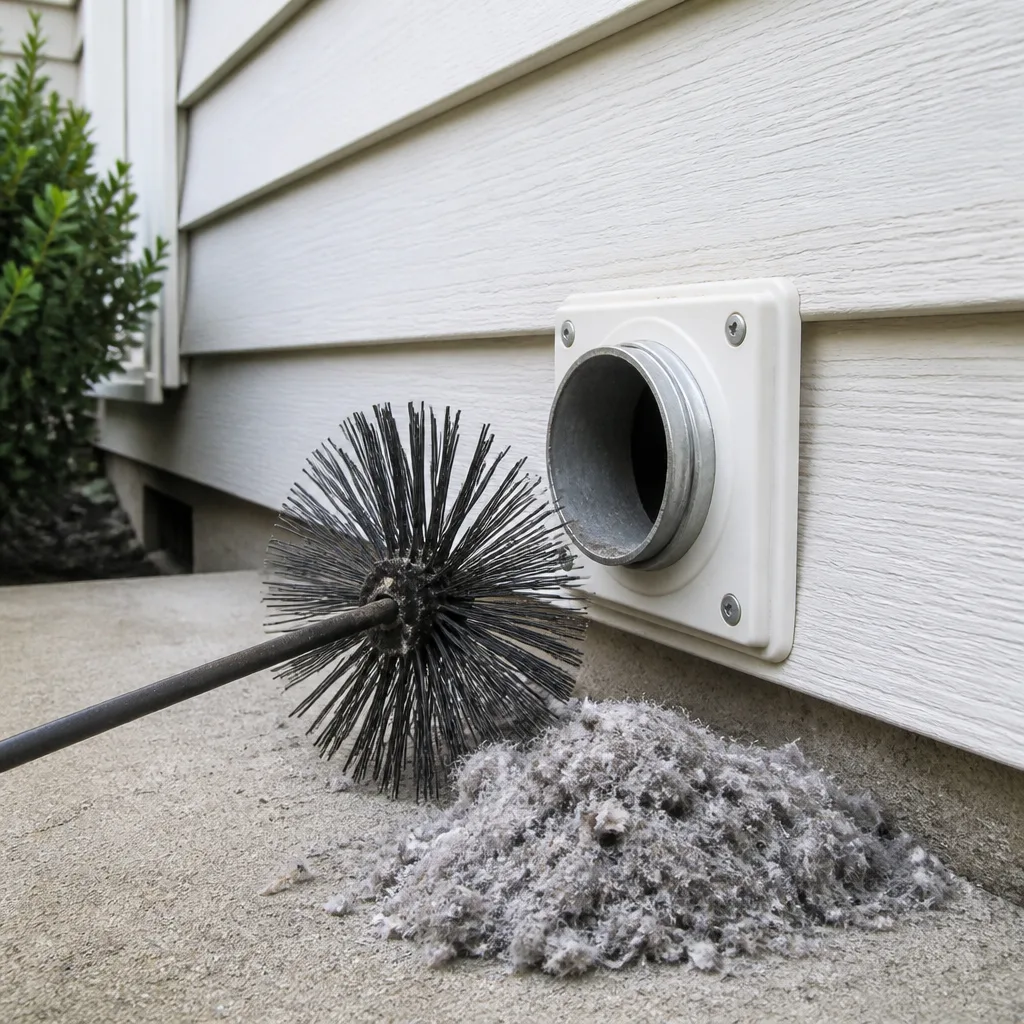 Dryer vent cleaning
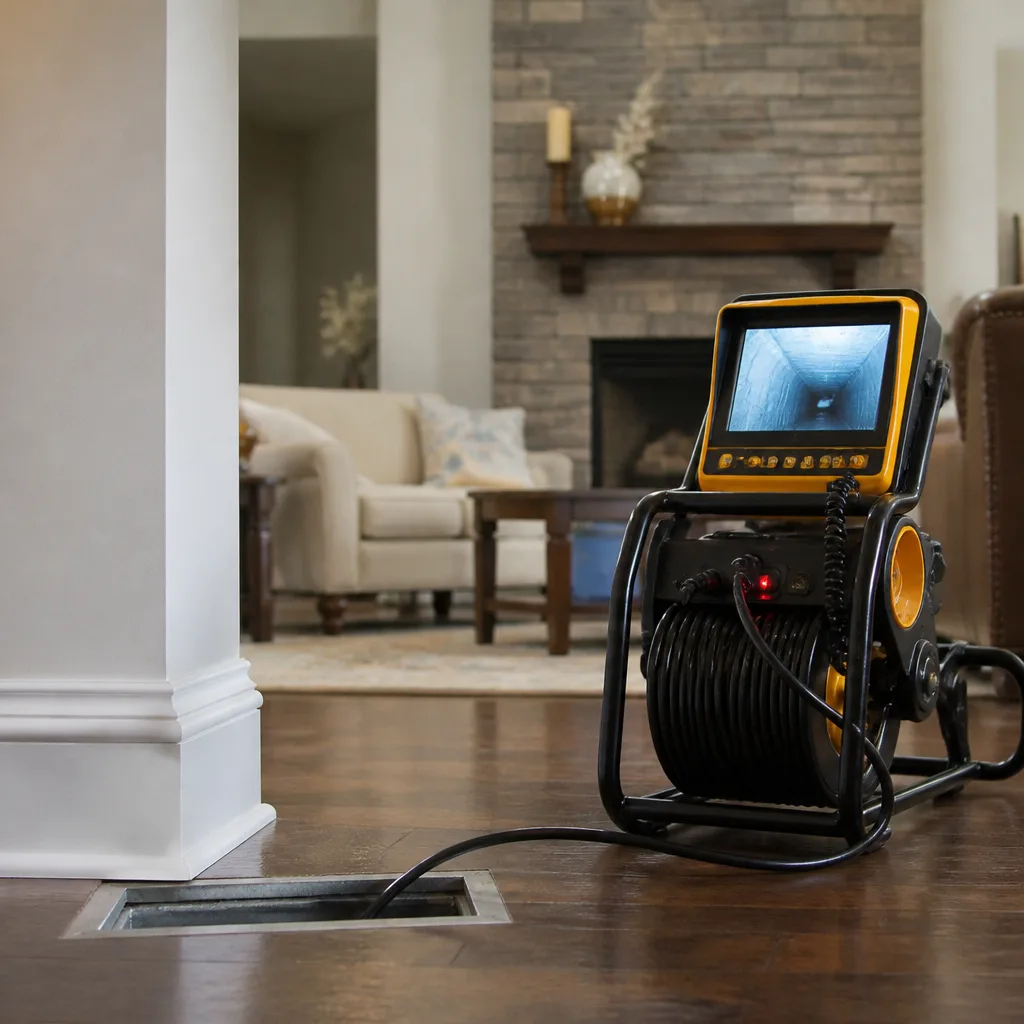 Camera inspection
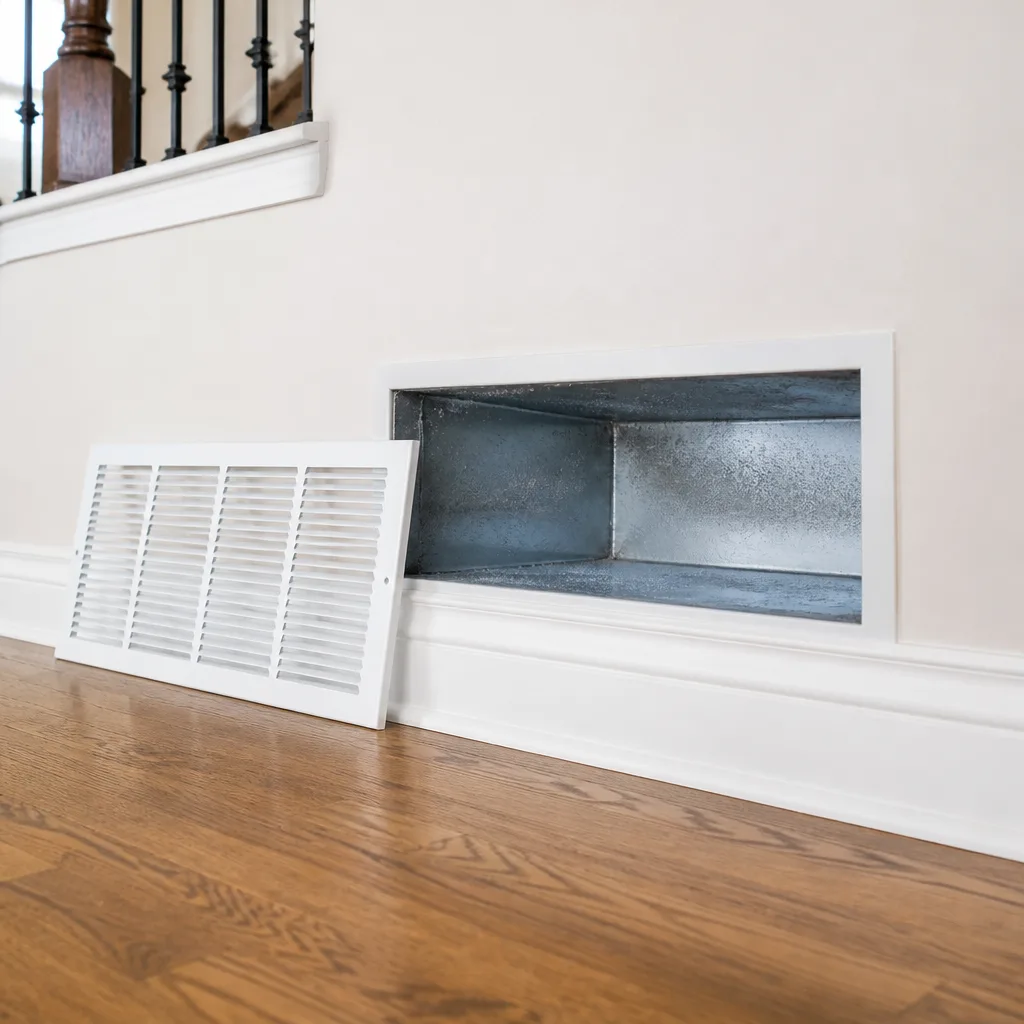 Sanitizing & deodorizing
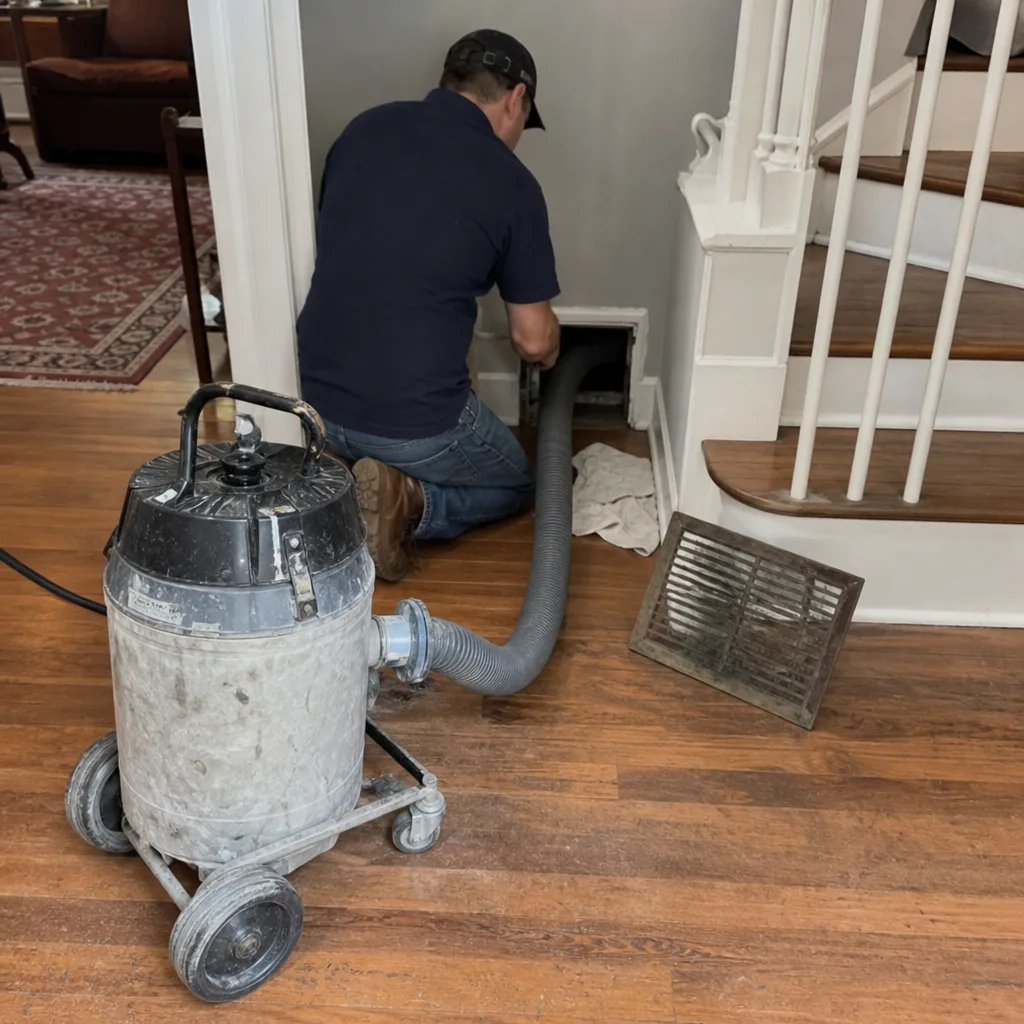
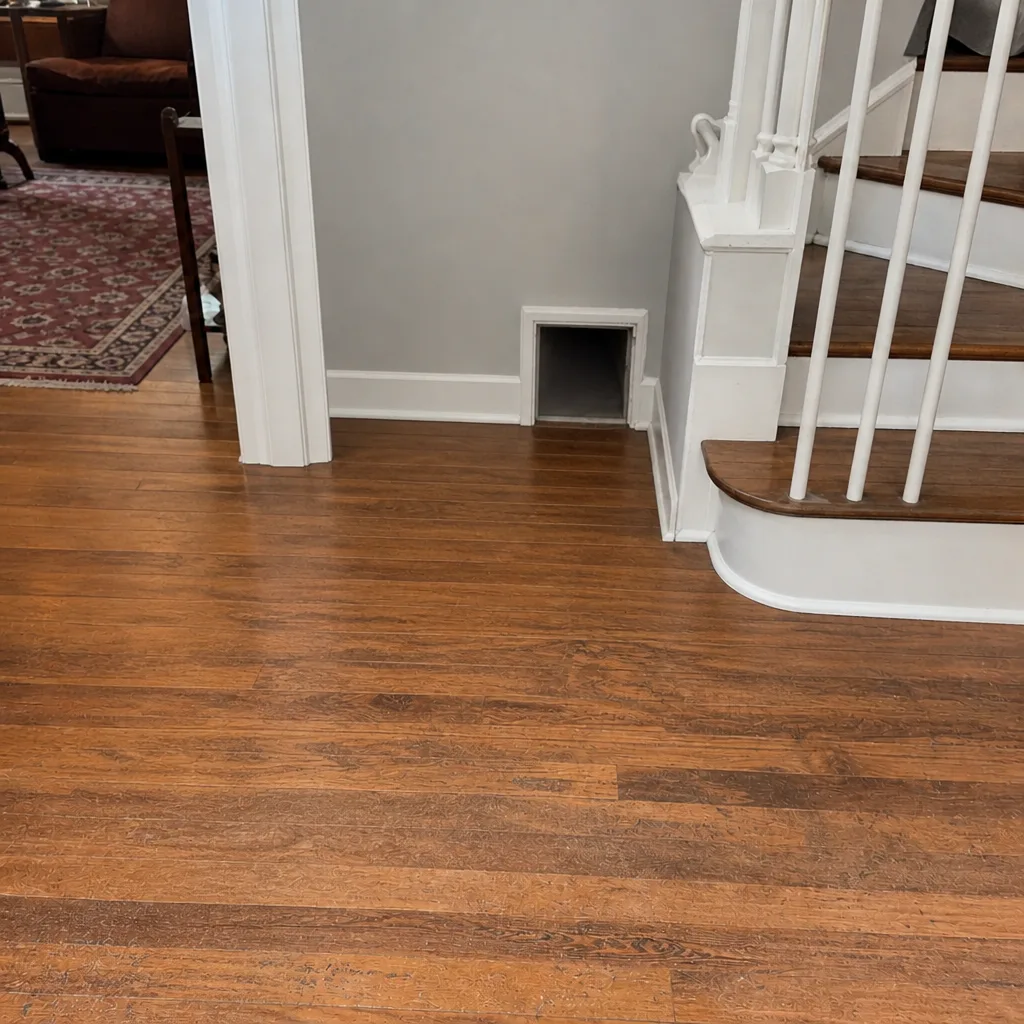
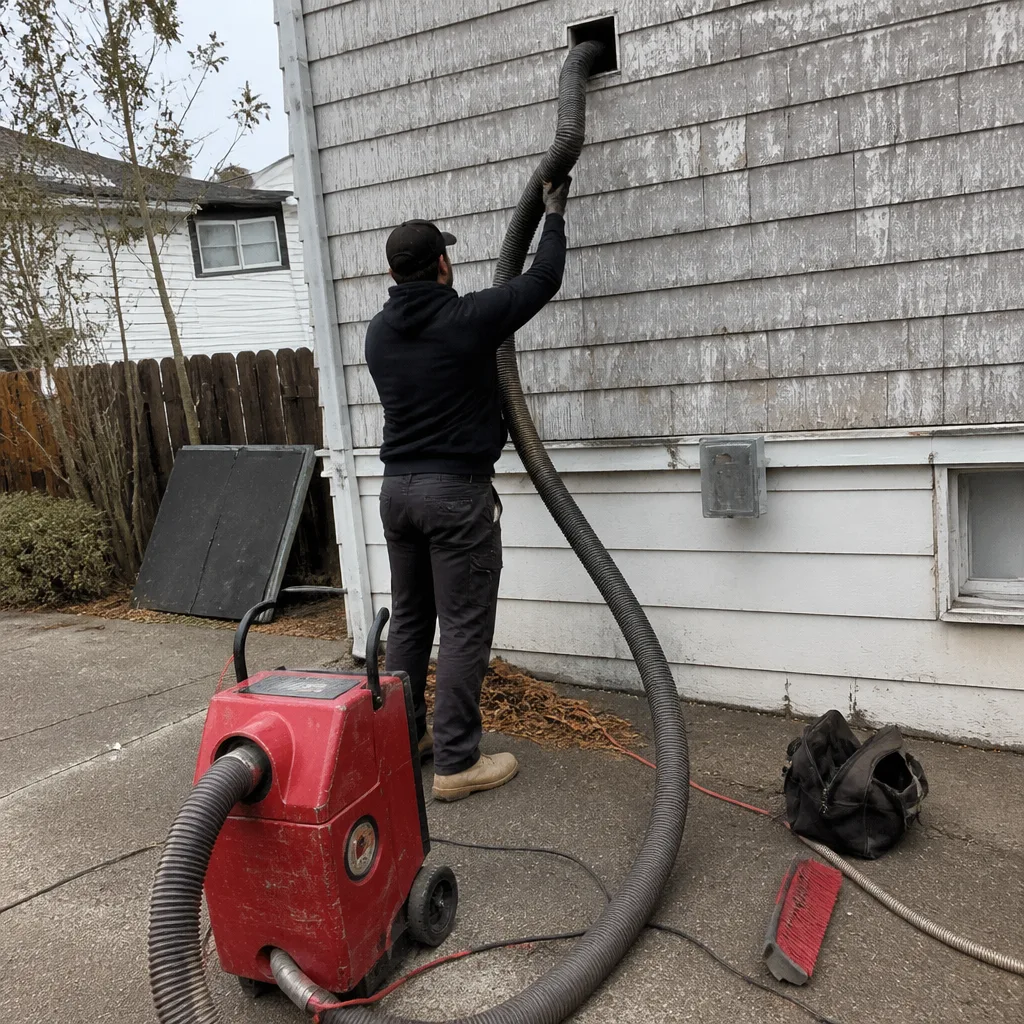
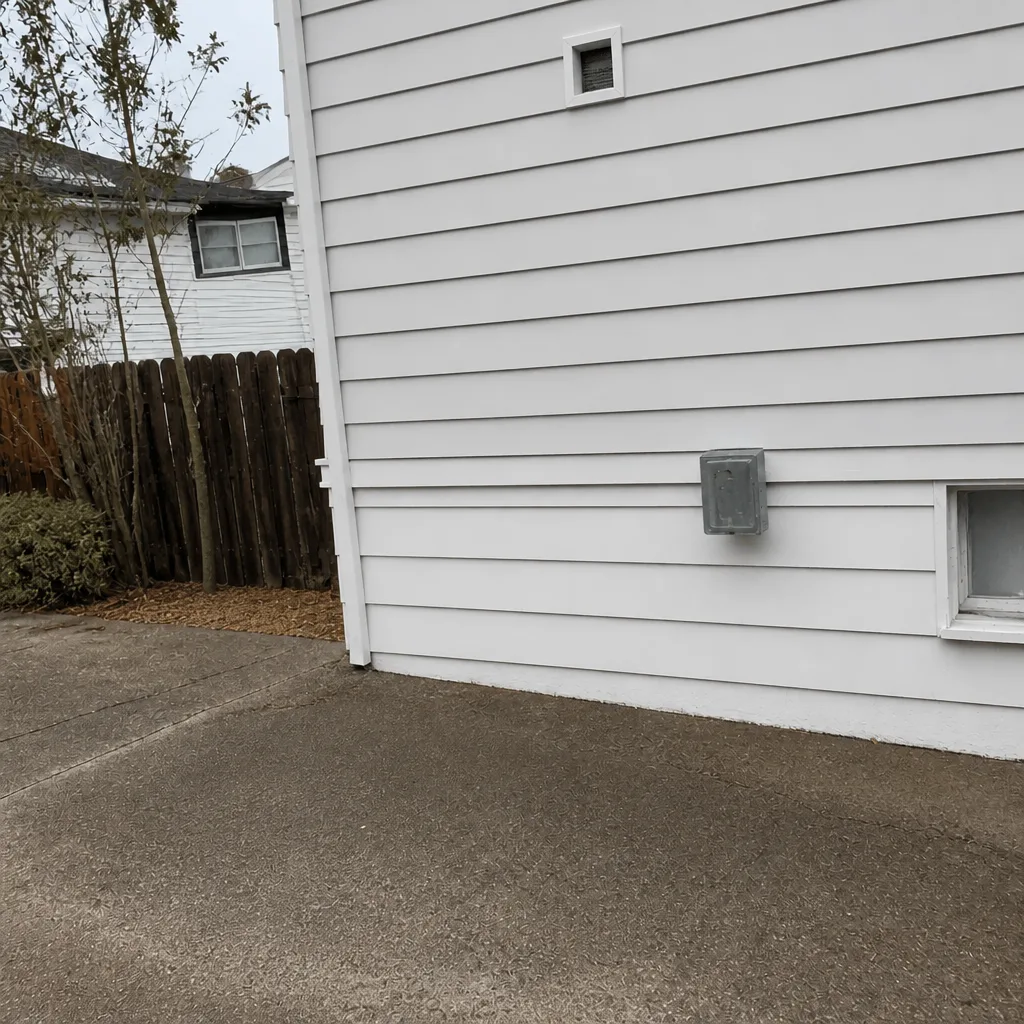
Whole-system duct and dryer vent check with before-and-after photos - you see exactly what came out of your vents
That "$99 whole-house special" is a bait ad - the real number appears once they are in your hallway, or the "clean" is a shop-vac at the register. We photograph the inside of your ducts before and after instead.
Air Duct Cleaning Warning Signs: An Elmwood Village Homeowner’s Reference Guide
Visible dust at the register face is a late-stage sign. By the time you can see it, debris has been circulating through your home for months. The earlier indicators get ignored because they don’t look like duct problems at all: an upstairs bedroom that runs a few degrees warm, a filter that clogs in half the usual time, a musty smell that only shows up when the furnace kicks on. This guide maps those early signals to what they actually mean, separates the ones that call for cleaning from the ones that point to repair or sealing, and gives you a way to triage a problem before it becomes an expensive one. Worth knowing whether your house sits near Bidwell Parkway or the quieter blocks off Elmwood Avenue.
Quick Answer
The main warning signs of dirty air ducts are performance-based, not visual. Watch for specific rooms that run 3 – 5°F off the thermostat setting, registers with noticeably weaker airflow than others on the same system, filters that load up faster than usual, allergy symptoms that clear with the windows open but return when the HVAC runs, and a musty odor at system startup. Visible dust at register faces is a confirmation, not the first sign.
Styles & brands we work with
- Whole-home duct cleaning
- Dryer vent cleaning
- Camera inspection
- Sanitizing & deodorizing
Table of Contents
- Performance-Based Warning Signs
- Air Quality Warning Signs
- Structural Warning Signs You Can Spot Without Tools
- Post-Event Warning Signs: Immediate Action vs. Scheduled Response
- How to Triage: Cleaning, Repair, or Sealing?
- How Elmwood Village Homes Age Through the Seasons
- What a Verifiable Clean Actually Involves
- Common Mistakes to Avoid
Performance-Based Warning Signs
Duct problems almost never announce themselves as duct problems. They show up as a house that doesn’t heat or cool evenly, or a utility bill that climbs while nothing about your habits has changed. These are the signals that show up first, and they’re the ones most homeowners attribute to something else entirely.
The room that’s always off. A room consistently 3 – 5°F off target isn’t a room with bad windows. It’s a room whose supply run is starved. Restricted airflow from accumulated debris, a crushed flex run, or a damper knocked out of position all produce the same symptom. One room off target usually means that specific branch run is the problem, not the whole system.
Registers that blow weaker than their neighbors. Walk through the house and hold your hand near each supply register while the system runs. Noticeable differences between registers on the same system point to a restriction. The register closest to the air handler often feels strong while the farthest run feels weak. Some pressure drop is normal; a dramatic difference is not.
Filters that load in half the time. If you used to change a filter every three months and now you’re changing it every six weeks, something upstream is shedding debris. The filter is doing its job. The question is what’s feeding it.
Bills that climb without a behavioral change. A restricted system runs longer to reach setpoint. You don’t get a warning light. You just get a bigger bill, often through the heating season. Track a couple of months against last year’s usage before assuming the cause is rate changes.
In our experience, these performance signals often appear a full season or more before anyone sees visible debris. That gap is exactly where a proper inspection pays for itself.
Air Quality Warning Signs
Air quality symptoms are the hardest to pin down because they mimic allergies, dry air, and seasonal change. The differentiating factor is timing: symptoms that track the HVAC system’s operating cycle rather than the outdoor season.
The clearest pattern we hear about is symptoms that clear when the windows are open and return within a day of closing the house and running the system. Airing out the house resets the symptom. Restarting circulation brings it back. That’s a duct-signature pattern.
- Clustered symptoms in specific rooms. If one bedroom reliably triggers sneezing and the rest of the house doesn’t, look at that room’s supply run and register first. Localized symptoms point to a localized source.
- Musty odor at startup. A smell that appears in the first minutes the furnace or air conditioner runs, then fades, is telling you what’s sitting in the duct interior and getting blown through when airflow begins. A constant smell is a different problem.
- Visible particulate in a sunbeam. Stand near a supply register with sunlight cutting across the room. Heavy visible particulate in the beam while the system runs is a direct indication that the duct interior is shedding material into the living space.
- Symptoms that worsen when the fan runs continuously. If switching from auto to on makes things worse, the recirculation loop is the delivery mechanism.
Behind these symptoms sits a straightforward physical reality: dust, dander, and biological growth accumulate on duct walls where you can’t see them. Mechanical agitation is what removes that material. Suction alone pulls loose dust off the surface and leaves the buildup stuck to the metal.
Structural Warning Signs You Can Spot Without Tools
Some warning signs are physical, and you don’t need to open a panel or run a camera to find them. Walk the house with a flashlight and check each register frame.
- Rust staining around register frames. Brown or orange staining at the metal frame usually means moisture is present at that connection. Moisture plus dust is where biological growth starts.
- Condensation on supply register faces in summer. A cold duct face sweating in humid weather can be normal at the register grille. Persistent wetness that drips is not. It points to an unsealed or uninsulated run, and it’s a moisture source right at the supply point.
- Loose or separated grille-to-duct connections. A grille that rocks, or a visible gap where the boot meets the drywall, means the system is pulling air from the wall cavity instead of delivering it to the room. That’s air you paid to condition, going somewhere else.
- Dust streaks radiating from a register. Streaking pattern around a register face is the classic visible confirmation that airflow is carrying material out of the duct and depositing it at the edge of the grille.
Structural signs change the nature of the job. Any of the four above, combined with a performance problem, usually means cleaning alone won’t solve it. The system has a leak or a moisture issue that needs repair and sealing before a clean is worth much.
Post-Event Warning Signs: Immediate Action vs. Scheduled Response
Not every sign carries the same urgency. The distinction that matters most is whether something happened to your system, or whether your system has been declining gradually.
Signs that call for immediate action
- Water in the ducts after flooding or a plumbing failure. Standing or visible moisture inside ductwork is a biological growth condition and needs assessment now, not next season.
- Smoke or soot residue from a fire or nearby smoke event. Residue that settles in the duct system gets recirculated on every cycle.
- A dryer vent that no longer exhausts warm, moist air. A blocked dryer vent is a documented fire-prevention concern and should be treated as urgent. dryer vent cleaning is a dedicated service for this reason, not an add-on.
- Rodent or pest activity inside ductwork. Contamination of this type requires cleaning and sanitizing, not a surface pass.
Signs that call for a scheduled response
- Gradual performance decline over multiple seasons.
- Filters loading faster than they used to.
- A musty smell at startup with no water event behind it.
- Allergy symptoms that track system usage.
Gradual decline is real, but it isn’t an emergency. It’s a scheduling decision. Get an inspection on the calendar and use the findings to decide scope.
How to Triage: Cleaning, Repair, or Sealing?
This is the question that saves homeowners money. Most people assume a dirty-duct symptom means a duct cleaning. Often the actual fix is a repair or a seal, and sometimes the answer is both.
The triage logic comes down to where the problem lives:
- If the symptom is spread evenly across the whole house (a general dustiness, a filter that loads fast everywhere, a system-wide odor), the issue is likely accumulated material in the duct interior. Cleaning is the right first step.
- If the symptom is confined to one or two rooms (one cold room, one weak register), the issue is likely a specific run. That could be debris, or it could be a crushed, disconnected, or leaky duct. Inspection has to identify which.
- If you see gaps at grille connections, streaks, or rust staining, sealing is part of the job regardless of how dirty the interior is. Air leaking through a disconnected joint means the system is bypassing the room.
- If there’s moisture or biological growth, cleaning alone leaves the growth behind. Cleaning has to be followed by sanitizing, and the moisture source has to be corrected or the problem returns.
- If the outdoor unit or air handler is visibly fouled, the ducts aren’t the whole story. HVAC cleaning addresses the components the ducts connect to.
Doing a full clean on a system with a disconnected run fixes nothing. Doing a seal on a system full of debris just traps the debris behind a tight joint. The scope decision has to come from an inspection, not a phone quote.
How Elmwood Village Homes Age Through the Seasons
Western New York’s humidity swings put real stress on duct systems. Summer humidity finds its way into unconditioned attic and crawlspace runs, and cold duct surfaces sweat. Winter dryness means a heating system runs hard for months on end, moving a lot of air through the same duct walls. The two seasons compound: moisture sets up the conditions, and heavy heating-season airflow moves whatever is sitting there into the living space.
Housing stock here adds to it. The older homes in Elmwood Village often have duct systems that were retrofitted decades after the houses were built, with runs routed through whatever space was available. That means long runs, tight turns, and flex duct squeezed into cavities. Those systems are more sensitive to debris accumulation and more likely to develop disconnected joints at the boot. A tight elbow packed with debris restricts airflow much more than a straight run would.
Elmwood Village homes also tend to have finished basements and converted attic spaces, both of which change the load on a duct system that was designed for a different layout. It’s worth knowing that a system doing more work than it was sized for will show performance warning signs earlier.
What a Verifiable Clean Actually Involves
Since the whole triage process depends on knowing whether the work was actually done, it helps to know what a real clean looks like. The difference between a professional job and a quick pass comes down to equipment and containment.
A proper clean starts with mechanical agitation. air duct cleaning with a rotary brush system like Rotobrush breaks material off the duct walls and vacuums it in the same pass. That’s different from blowing air through and hoping the dust exits the register. Extraction happens through HEPA-filtered equipment like Nikro, which prevents the debris from being redistributed through the house as it’s removed.
Containment is the part most people never see. Abatement Technologies negative-air machines hold the work area under negative pressure, so anything dislodged during service goes into the filtration unit rather than back into your living room. Sealed and contained, start to finish.
For full-scope work, a system-level clean goes beyond the ducts themselves: the air handler, the coil, the blower, the registers and returns. Air Duct Cleaning Elmwood Village handles inspection, cleaning, repair, sealing, and sanitizing under a single service call, so you’re not coordinating three separate contractors to fix one system.
The reason this matters for the warning signs in this guide is simple. Every sign here is a symptom you can trace to something real. A professional job confirms the diagnosis, tells you the scope, and shows you the before-and-after condition of your own ducts so you know the work was actually done.
Common Mistakes to Avoid
- Waiting for visible dust before acting. By the time dust is caked on a register face, the interior has been shedding for a long time. Use the performance and air quality signals instead.
- Assuming a cold room is a window problem. Replacing windows to fix a 4°F room differential is an expensive way to leave the actual duct restriction in place. Check airflow at the register first.
- Getting a clean when the real problem is a leak. A disconnected boot doesn’t get fixed by cleaning. If grilles rock or gaps are visible, ask for inspection and sealing, not just a cleaning pass.
- Choosing a quote by the lowest line-item price. A low coupon price that becomes a much larger invoice once the technician is on site is the industry’s most common complaint. Ask for one flat price per system, agreed before work starts, and for before-and-after photos of your own ducts.
- Skipping the dryer vent. It’s a separate system with a separate failure mode and a real fire-prevention rationale. Treat it as its own scheduled service.
- Cleaning without addressing moisture. Cleaning a duct system with active condensation at the registers removes debris and leaves the moisture condition that caused the growth. Seal first, then clean.
- Ignoring the air handler. Ducts connect to equipment. If the coil and blower are fouled, the ducts refill faster than they should.
See the difference
 Before
 After
 Before
 After
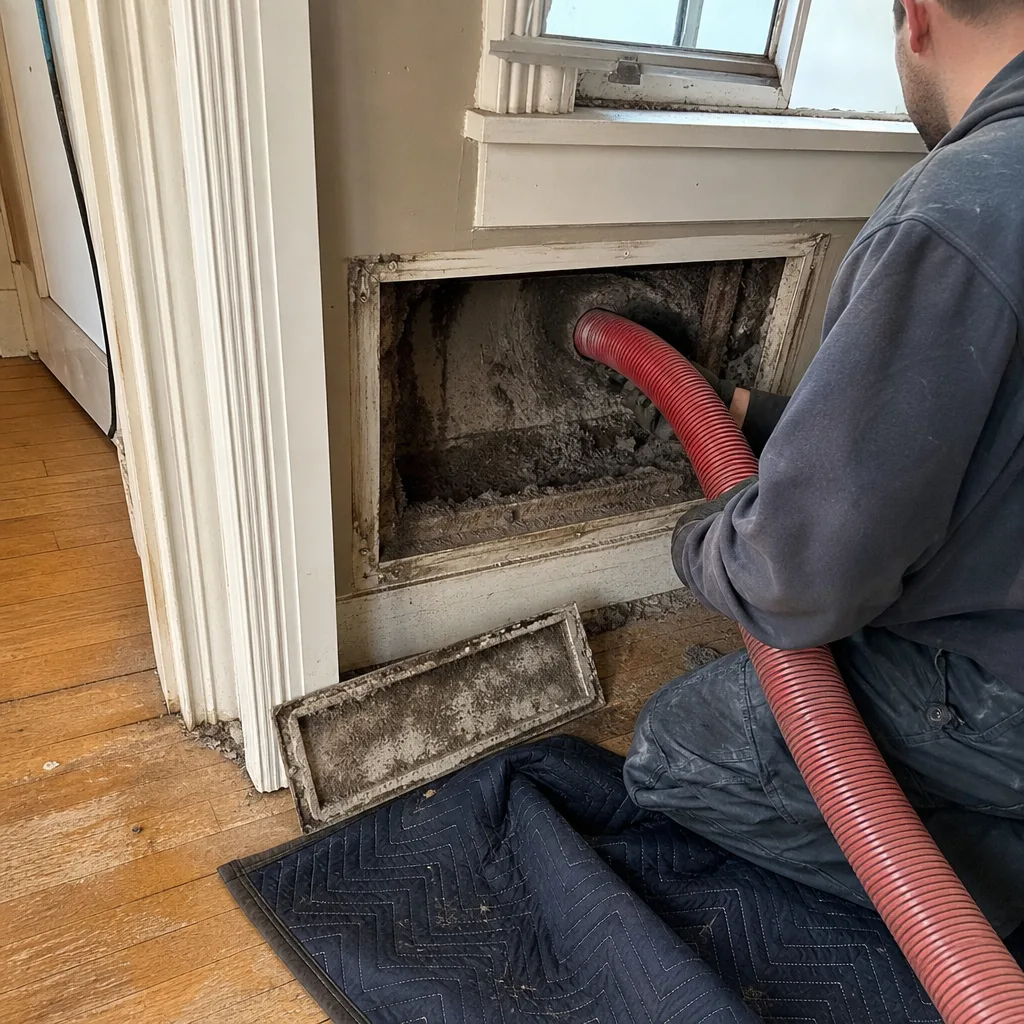 Before
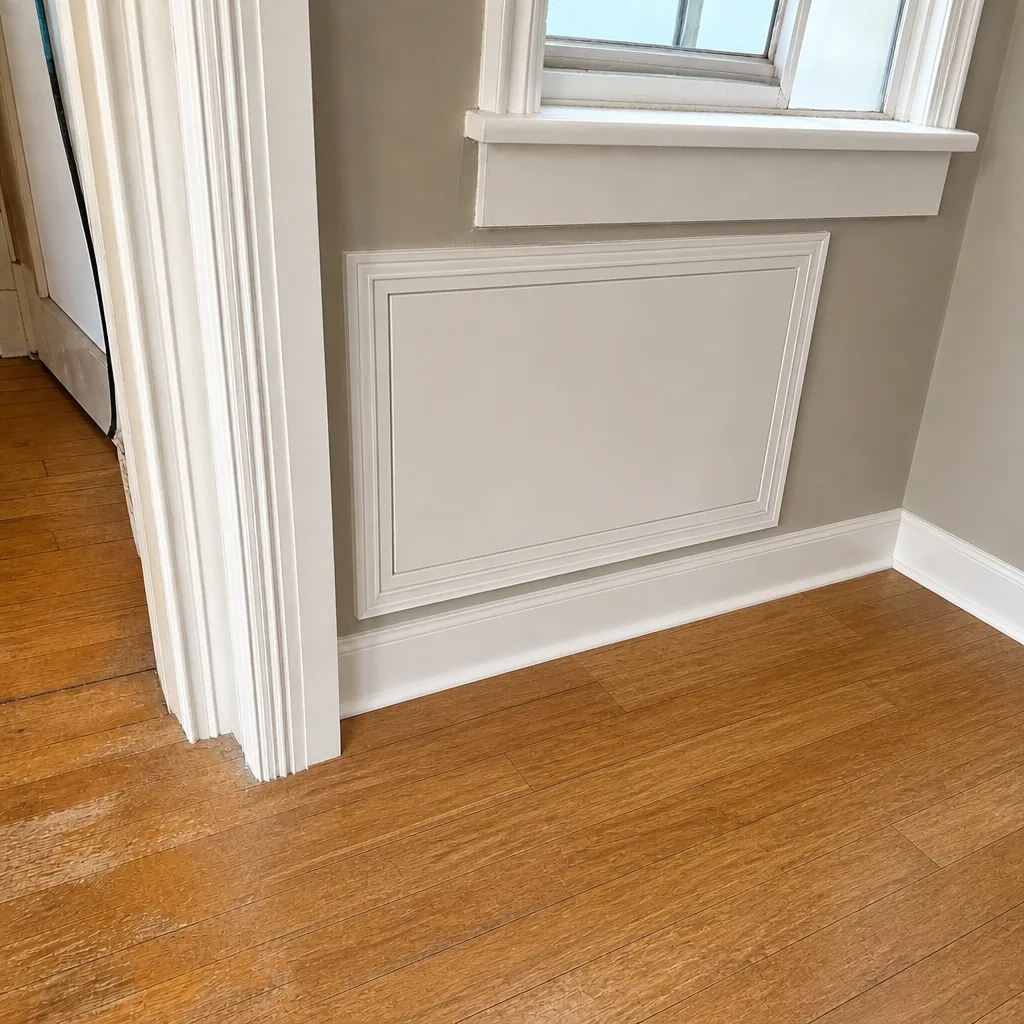 After
When to Call a Professional
If you’ve found several of the performance or air quality signs in this guide and they’ve persisted across a season, that’s enough to justify an inspection. If you’ve spotted any of the structural signs (rust staining, separated connections, condensation on register faces), or if you’ve had a water event, a fire nearby, or pest activity in the system, call sooner. The same goes for a dryer vent that no longer exhausts properly, which should be scheduled quickly.
What you shouldn’t do is guess at the scope. Repair, sealing, and cleaning are different jobs, and the wrong one wastes money. Air Duct Cleaning Elmwood Village offers free estimates in Elmwood Village; call (855) 726-7901. We answer 24/7. Fast dispatch from 7am to 7pm, Sunday through Friday. Our technicians have up to 10 years of experience, and we’ll give you one flat price per system, agreed before work starts, with the written estimate setting the final number.
Frequently Asked Questions
Most whole-system residential duct cleanings in the Elmwood Village area come in within a typical range based on the number of runs, the system’s accessibility, and whether repair or sealing is included. The written estimate sets the final price, and there’s no per-vent pricing. Call (855) 726-7901 for an exact quote; estimates are free.
Low quotes are usually built on a coupon price that expands once the technician is on site, or on a surface pass that doesn’t include mechanical agitation and containment. A quote for one flat price per system, agreed before work starts, is the comparison worth making. Call (855) 726-7901 for a straight number.
Ask for before-and-after photos of your own duct interiors, not stock images. A professional clean also leaves a visible difference at the registers and confirms what was found during inspection. Call (855) 726-7901 and we’ll walk you through what the job includes before anything is scheduled.
There’s no universal schedule. Homes with pets, recent renovation work, or persistent allergy symptoms need it sooner than a clean household with a well-sealed system. Let the warning signs above set the timing rather than a calendar interval. Call (855) 726-7901 for an inspection to get a real answer for your house.
Yes, often. A supply run restricted by debris or a crushed section delivers less conditioned air, and the room it serves runs 3 – 5°F off target. That’s one of the most common performance signs we hear about in Elmwood Village.
Cleaning removes the debris mechanically. Sanitizing addresses what’s left on the surface afterward, which matters when there’s been moisture or biological growth. The two are separate steps, and the order matters: remove the material first, then treat the surface.
Usually, yes. Drywall dust and construction debris are fine particulate that settles throughout the system and keeps recirculating long after the work is finished. That’s a scheduled response, not an urgent one, but it shouldn’t wait indefinitely.
The Bottom Line
The signs that matter most are the ones you feel before you see: a room that won’t hold temperature, a filter that loads too fast, symptoms that track the HVAC cycle. Visible dust is confirmation, not a first warning. Structural signs (rust, moisture, separated joints) change the job from cleaning to repair and sealing. Post-event signs move it to the front of the queue. Whatever you find, the right next step is an inspection that tells you the scope before anyone quotes a price, and one flat price per system with before-and-after photos when the work is done. Elmwood Village homeowners who read their system early spend less and breathe better for it.
Call (855) 726-7901 for a free estimate. We answer 24/7. Fast dispatch from 7am to 7pm, Sunday through Friday.
Written by the team at Air Duct Cleaning Elmwood Village.