
Last updated November 25, 2026
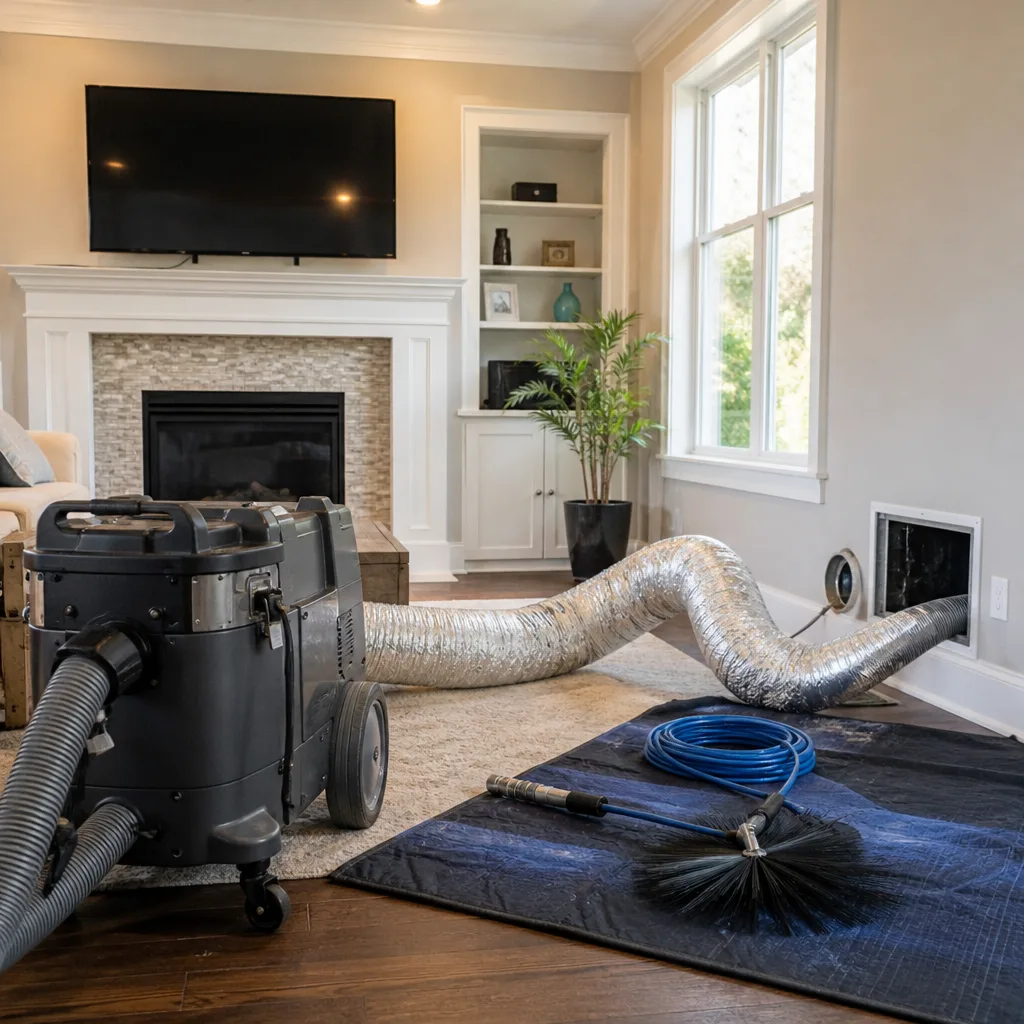 Whole-home duct cleaning
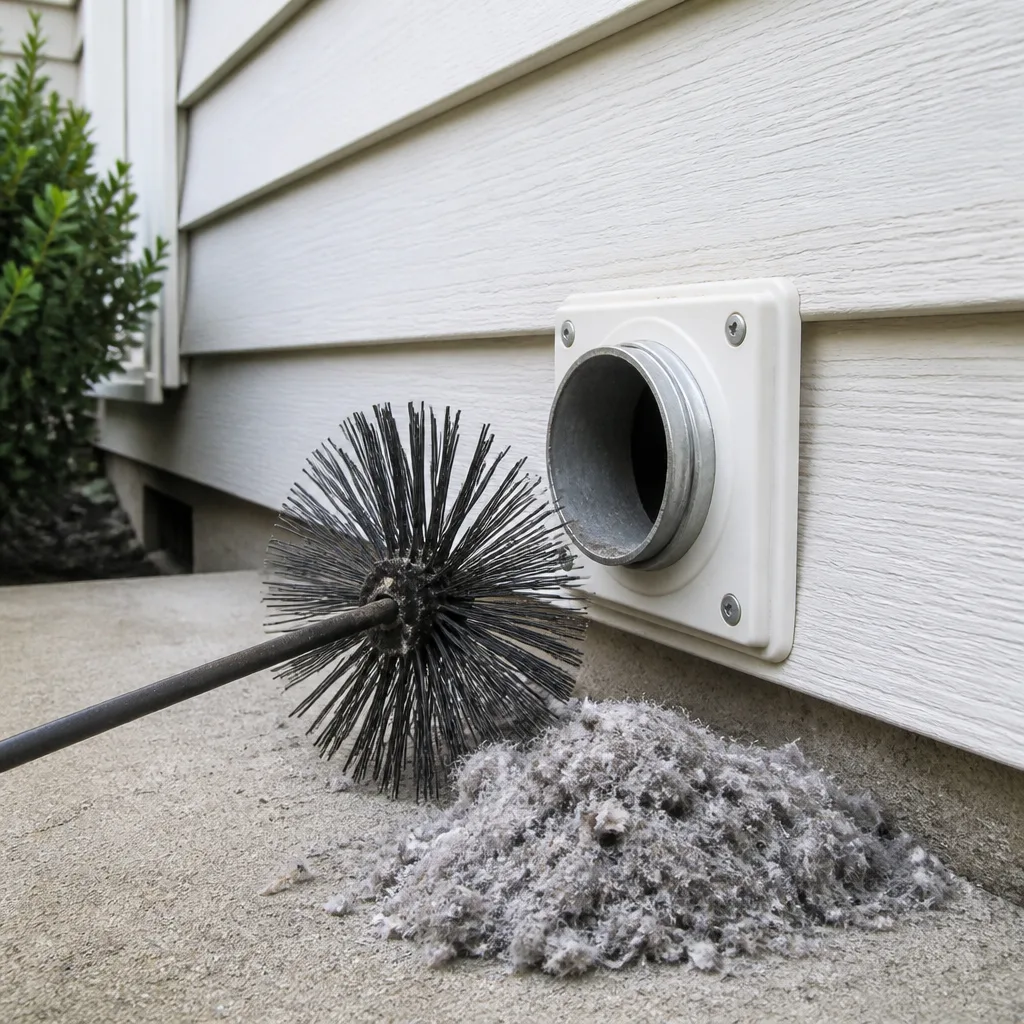 Dryer vent cleaning
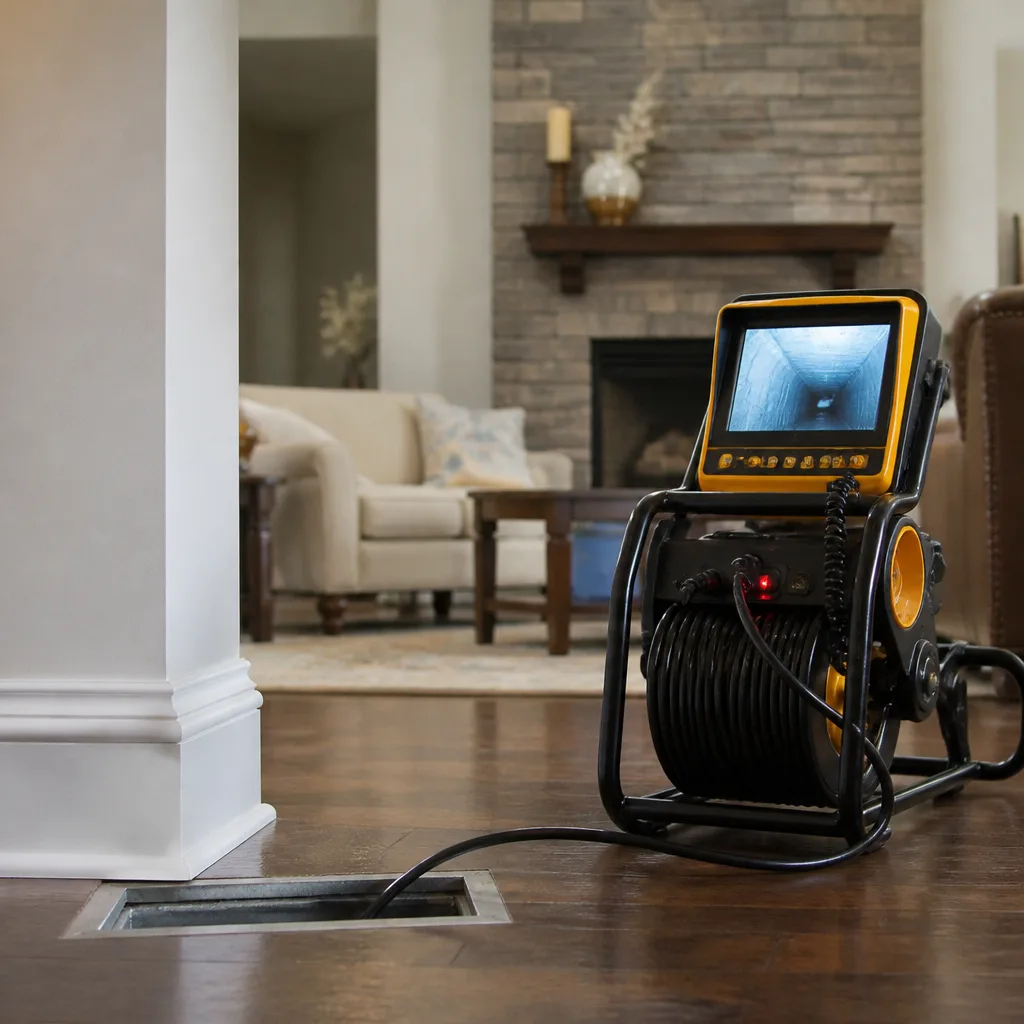 Camera inspection
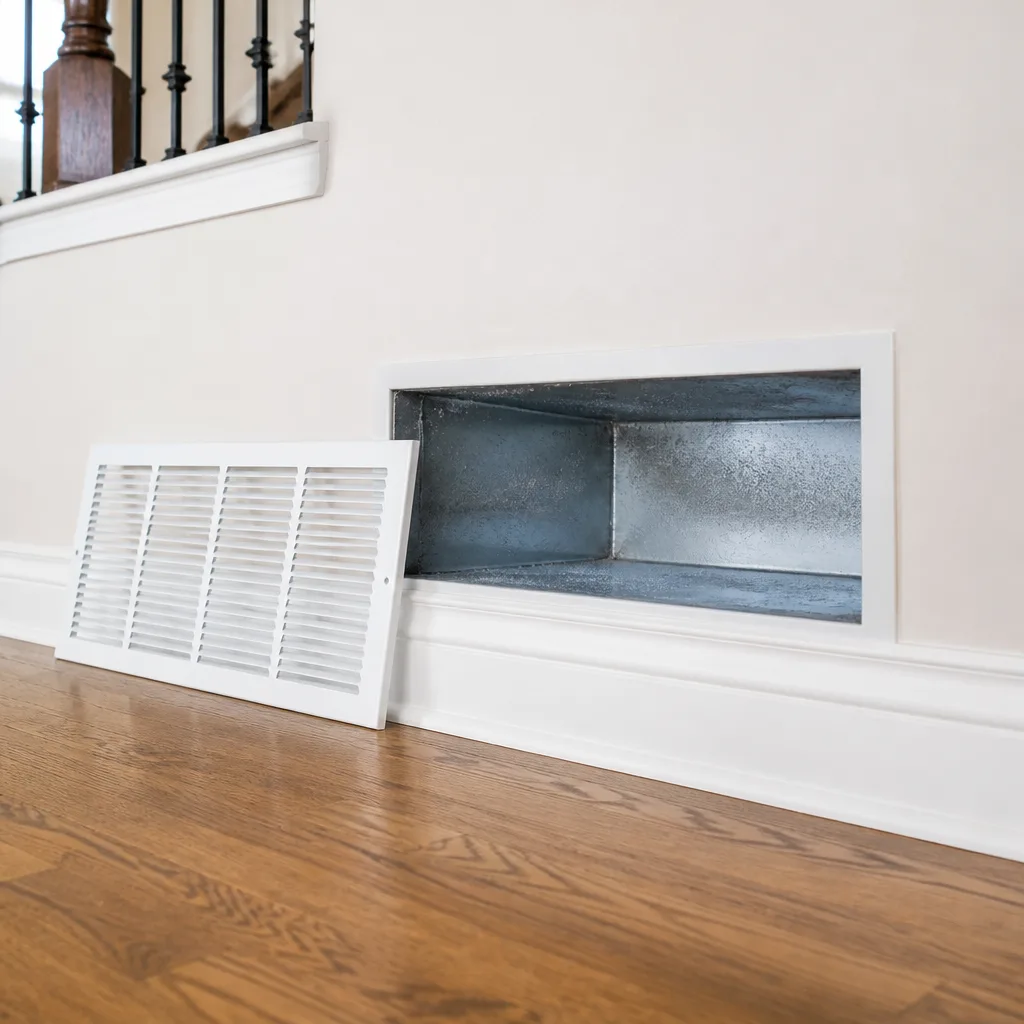 Sanitizing & deodorizing
Whole-system duct and dryer vent check with before-and-after photos - you see exactly what came out of your vents
That "$99 whole-house special" is a bait ad - the real number appears once they are in your hallway, or the "clean" is a shop-vac at the register. We photograph the inside of your ducts before and after instead.
Seasonal Air Duct Cleaning Care for Elmwood Village: Year-Round Homeowner’s Guide
Most homeowners in Elmwood Village think about their ducts once a year, usually in spring, and treat the job as a single box to check. That approach misses what actually happens inside a forced-air system in this part of Western New York. Our heating season runs long, our summers push real humidity through the house, and the freeze-thaw cycling Buffalo deals with every winter stresses duct joints in ways a spring-only cleaning can’t catch. Seasonal care here means four different checkpoints, each with its own job. This guide walks through what each season demands, why the fall window carries the most value, and how to read the warning signs your system gives you before a small problem becomes a system-wide one.
Quick Answer
Seasonal air duct care in Elmwood Village means four distinct checkpoints, not one annual cleaning. The most valuable is early fall, when you inspect for summer humidity-related microbial growth before you circulate heated air through those ducts for six months. Winter, spring, and summer each bring their own tasks: watching for leakage and filter loading during active heating, checking attic runs for condensation damage after the heat shuts off, and managing condensation on cold supply ducts during AC season.
Styles & brands we work with
- Whole-home duct cleaning
- Dryer vent cleaning
- Camera inspection
- Sanitizing & deodorizing
Table of Contents
- Why Elmwood Village Ducts Face Four Stress Seasons
- Fall: The Highest-Value Inspection Window
- Winter: Reading Your System During the Long Heating Season
- Spring: Post-Heating Assessment and Pre-AC Preparation
- Summer: How Central AC Changes Duct Behavior
- Elmwood Village Housing Factors That Change the Equation
- Your Seasonal Duct Care Calendar
- What Professional Equipment Actually Does
Why Elmwood Village Ducts Face Four Stress Seasons
The typical advice you’ll find online assumes a mild climate where the furnace and the air conditioner each run a few months and sit idle the rest of the year. Elmwood Village doesn’t work that way. Heating dominates the calendar, and when it finally releases its grip, humid air arrives fast. That swing between a long, dry heating season and a short, wet cooling season is what makes duct care here seasonal rather than annual.
The physical mechanism is simple. Duct systems expand and contract with temperature. Every time the furnace cycles on and off through a Buffalo winter, the metal and the sealed joints move slightly. Over a season of that cycling, small gaps can open at seams, at takeoffs, and where flex duct connects to rigid trunk lines. Those gaps leak conditioned air into unconditioned space – attics, rim joist cavities, basement voids – and that’s air you paid to heat.
The reverse happens in summer. Cold supply ducts running through warm, humid spaces sweat. Condensation forms on the outside of the duct, and in an attic or a damp basement that moisture has nowhere to go. It sits against insulation, against duct board, against the very surfaces where microbial growth likes to start.
Here’s the part most guides skip: the two transitions matter more than the middle of either season. Right before heating starts, you can still inspect and correct what summer left behind. Right after heating ends, you can catch what winter did to your joints and insulation. Mid-season, you’re mostly reading symptoms. Our technicians have up to 10 years of experience, and the pattern they describe most often is a homeowner who calls in January about a cold room that’s been cold since October. Catching it in October would have been a sealing job. By January it’s often a bigger conversation.
Fall: The Highest-Value Inspection Window
Fall is the most valuable window on the calendar, and it’s the one most homeowners skip. The reason is straightforward: whatever grew, collected, or settled in your ducts over the humid summer is about to get blown through every room of your house for six months. Inspecting before you turn the heat on means you’re making a decision with information, not reacting after the first musty smell.
What fall inspection is looking for:
- Microbial growth from summer humidity. Condensation on cold ducts during AC season creates the moisture that mold spores need. A fall inspection checks supply runs, coil areas, and any duct section that passes through a humid space.
- Debris that settled during the cooling season. Dust, pollen, and whatever else the return side pulled in over summer has had months to accumulate. Mechanical agitation and extraction clear it before it becomes airborne.
- Joint and seam condition. Seams that were fine in spring may have opened after a summer of expansion and contraction. Small leaks get sealed far more easily in fall than after they’ve leaked all winter.
- Filter loading baseline. A clean filter installed at the start of heating season gives you a measurable baseline. If it loads faster than expected, you know the system is pulling in more debris than it should.
Fall is also the right time to think about the whole system rather than one component. A proper inspection covers the return side, the supply side, the air handler, and the coil. If cleaning is warranted, the cleaning itself should use professional-grade equipment, not a shop-vac setup. Rotary brush agitation loosens what’s bonded to the duct walls, and HEPA-filtered extraction pulls it out of the system instead of recirculating it into your living room.
For homeowners who want to understand what a full cleaning involves, our air duct cleaning page walks through the process step by step. The key point for fall planning: get the inspection done before the first hard freeze, because once the heating season is underway, access to attic runs gets harder and the window closes.
Winter: Reading Your System During the Long Heating Season
During active heating season you’re not cleaning – you’re reading symptoms. The furnace is running for months, and the way your house behaves tells you what’s happening inside the duct system. Three signals are worth watching closely.
Uneven room temperatures
A room that’s always been a few degrees cooler than the rest of the house is normal in an older home. A room that’s getting colder over the course of the winter is a different story. That pattern usually means duct leakage has worsened. Conditioned air is escaping before it reaches the register, and the room at the end of the run gets what’s left. If you notice the gap widening between October and February, that’s a duct sealing conversation, not a furnace problem.
Odors on first heat
Every heating system produces a slight smell the first time it fires up for the season – dust burning off the heat exchanger. That’s normal and it fades within a few cycles. What’s not normal is an odor that persists, or a musty smell that appears weeks into the heating season. A persistent musty odor during active heating often points to microbial growth in the ducts or on the evaporator coil getting circulated into living space. That’s exactly the scenario fall inspection is designed to catch, and it’s worth addressing mid-winter if it shows up.
Increased filter loading rate
Track how often you change the filter. If a filter that used to last a full season is now loading up in half the time, the system is pulling in more particulate than it should. That can come from duct leakage on the return side pulling attic or basement air, from a compromised filter housing, or from a genuine buildup of debris in the ducts themselves. The loading rate is one of the most reliable early indicators you have, and it costs nothing to monitor.
Winter is also when HVAC cleaning matters most for efficiency. A dirty evaporator coil and blower wheel force the system to work harder for the same output, and during a Buffalo winter that’s a real cost. If your system is running constantly and still not keeping up, the ducts and the air handler deserve a look before you assume the furnace is failing.
Spring: Post-Heating Assessment and Pre-AC Preparation
Spring is the assessment season. The heating system has just finished a long run, and everything winter did to your ducts is now visible. This is when you check for the wear that only shows up after months of thermal cycling.
- Inspect attic duct runs for condensation damage. As the weather warms, any moisture that collected in attic duct insulation over winter starts to show. Look for staining, sagging insulation, or duct board that’s gone soft. If the insulation around a duct run is damp, the duct underneath needs inspection.
- Check joints and seams for separation. Winter cycling opens seams. Spring is when you can actually see them, before the AC starts and the ducts are moving cold air.
- Clean registers and grilles before AC season. Registers collect dust on the vanes and around the frame. Wiping them down before cooling season starts keeps that dust from blowing into the room the first time the AC runs.
- Inspect the coil and drain pan. The evaporator coil sits wet during cooling season. A coil that’s dirty going into summer is a coil that will grow things by August. The condensate drain and pan deserve a check too, since a clogged drain line causes water damage that has nothing to do with ductwork.
- Confirm the return path is clear. Furniture, rugs, and stored items blocking return grilles starve the system and increase static pressure. A quick walkthrough before cooling season catches the easy fixes.
Spring is also the natural time for dryer vent cleaning, which belongs on the same seasonal checklist even though it’s a separate system. Lint accumulation in a dryer vent is a documented fire hazard, and it builds up year-round regardless of the season. Treating it as a spring task alongside your duct assessment keeps both on the same schedule. The professionals we connect you with handle dryer vents as a dedicated service line, not as an add-on mentioned at the end of a duct cleaning.
Summer: How Central AC Changes Duct Behavior
Summer flips the physics. During heating season, the ducts carry warm air through a cold house – the ducts are warmer than the surrounding space, so no condensation forms. During cooling season, the supply ducts carry cold air, often through spaces that are warm and humid. Cold surfaces in humid air sweat. That’s the whole problem in one sentence.
Where this matters in Elmwood Village homes:
- Attic duct runs. An attic in July is hot and, depending on ventilation, humid. A cold supply duct running through it will condense moisture on its exterior. If the duct insulation is compromised, that moisture reaches the duct surface and the insulation itself becomes a growth medium.
- Basement runs near damp areas. Basements in older Elmwood Village homes stay humid through summer, and duct runs near a sump pump or a floor drain sit in the wettest part of that space. Condensation there is common and often invisible until it’s caused a problem.
- Ducts in interior wall cavities. These are less exposed to humidity but harder to inspect. If you notice musty odors that only appear when the AC is running, wall-cavity runs are one place to look.
Summer is also when the system is under its heaviest load, and a duct system with leakage has to work harder to deliver the same cooling. If your AC runs constantly in July and the house never quite gets comfortable, duct leakage is one of the first things to rule out. The same leakage that wastes heat in winter wastes cooling capacity in summer – it’s the same defect, just a different season.
If condensation and humidity are a recurring problem, sanitizing after mechanical cleaning addresses what’s left behind. Guardsman-grade sanitizing treatments target the biological contaminants – mold spores, bacteria, and the odors they leave – that survive a mechanical clean. Cleaning removes the debris; sanitizing addresses the organisms that grew in the moisture the debris held.
Elmwood Village Housing Factors That Change the Equation
Elmwood Village has housing stock that predates modern duct design, and that shapes how seasonal care actually works here. Three factors come up again and again.
Combination forced-air and radiator systems
A meaningful number of homes in the neighborhood were built with radiators and later had forced-air cooling added, or have a hybrid setup where part of the house is heated by radiators and cooled by ducts. In these homes, the duct system often serves cooling only, which changes the seasonal logic. The ducts sit idle through the heating season and then get used hard in summer. That means fall inspection is less about what’s in the ducts and more about whether the summer’s condensation did damage. Spring inspection becomes the priority, because the system is about to go into its active season.
Basement duct runs near sump pump areas
Older Elmwood Village basements have sump pumps for a reason – the water table and the age of the foundation make groundwater a real presence. Duct runs that pass near a sump pit sit in the most humid part of the basement. Through summer, that’s where condensation forms first, and it’s where duct insulation degrades fastest. If your basement smells musty in July and the smell gets stronger near the ducts, that’s the area to inspect.
Lake Erie humidity patterns
Elmwood Village sits close enough to Lake Erie that summer humidity is a genuine feature of the season, not an occasional annoyance. That humidity is what drives condensation on cold ducts, and it’s why summer duct behavior here is more aggressive than in a drier climate at the same latitude. The lake effect that brings snow in winter brings moisture in summer, and both stress the duct system in different ways.
There’s a fourth factor worth naming: the housing stock is old enough that duct systems have often been modified, extended, or patched over the decades. A duct run that was added to serve a renovated room may not have the insulation or the sealing of the original system. Seasonal inspection catches those weak points before they cause a problem.
Your Seasonal Duct Care Calendar
Here’s the year in one view. Each season has a primary task and a secondary check.
- Early fall (before heating season): Full inspection for summer humidity damage and microbial growth. Clean if warranted. Seal any joints that opened over summer. Install a fresh filter and note the date so you can track loading rate.
- Mid-winter: Monitor room temperature consistency and filter loading rate. Investigate any persistent odor. Note any rooms that are getting harder to heat.
- Early spring (after heating season): Post-heating inspection. Check attic runs for condensation damage and joints for separation. Clean registers. Inspect coil and drain pan. Schedule dryer vent cleaning.
- Early summer (before cooling season): Confirm return paths are clear. Check basement runs near damp areas. Consider sanitizing if humidity has been a recurring issue.
- Mid-summer: Monitor for musty odors that appear only when the AC runs. Watch for condensation staining on visible duct runs.
Two checkpoints a year – fall and spring – cover the transitions that matter most. The mid-season checks are things you can do yourself with a walkthrough and a filter log. The transition inspections are where professional equipment earns its place, because the problems they catch are inside the ducts where you can’t see them.
What Professional Equipment Actually Does
The difference between a real duct cleaning and a glance-and-vacuum comes down to equipment, and it’s worth knowing what the equipment does so you can tell the difference when you’re getting quotes.
- Rotary brush agitation. Rotobrush systems use a rotating brush to mechanically loosen debris bonded to the duct walls, while a vacuum pulls it away simultaneously. Suction alone doesn’t remove bonded debris; agitation is what makes the extraction effective.
- HEPA-filtered extraction. Nikro HEPA vacuum equipment traps fine particulate at the filter. Without HEPA filtration, a vacuum can blow fine dust back into the living space – which defeats the purpose.
- Negative-pressure containment. Abatement Technologies negative-air machines create a sealed, controlled environment around the work area. Dislodged debris gets pulled toward the containment, not recirculated into the rooms you’re trying to protect.
- Post-cleaning air quality products. Honeywell and Aprilaire solutions address filtration and humidity control after the cleaning is done. Cleaning resets the system; these products help it stay clean.
One call can cover the full system – inspection, cleaning, sealing, and sanitizing – when the same team handles all of it. Splitting the work across multiple contractors is how problems fall between the cracks, especially when the leak is in one place and the growth is in another. Our technicians have up to 10 years of experience working with these systems, and the pattern that holds across all of them is that containment and agitation matter more than raw suction power.
Common Mistakes to Avoid
- Cleaning only in spring. Spring cleaning misses the summer humidity that grows in the ducts between June and September. Fall inspection catches it before it gets circulated through six months of heating.
- Assuming a dirty filter means dirty ducts. A filter loading fast can mean duct leakage on the return side, not debris in the ducts. Diagnosing the cause matters more than changing the filter more often.
- Ignoring the attic runs because they’re hard to reach. Attic ducts are where winter condensation and summer humidity do the most damage, precisely because they’re out of sight. Skipping them leaves the most vulnerable part of the system unexamined.
- Treating dryer vent cleaning as optional. Lint accumulation is a documented fire hazard and it builds up year-round. It belongs on the seasonal calendar alongside duct care, not as an afterthought.
- Trusting a quote that prices per vent. Per-vent pricing encourages speed over thoroughness. A flat price per system agreed before work starts, with before-and-after photos of your own ducts, tells you what you’re actually paying for.
- Sanitizing without cleaning first. Sanitizing a dirty duct system treats the surface and leaves the debris underneath. Mechanical cleaning has to come first for the sanitizer to reach what it’s meant to address.
- Skipping the spring inspection because the heat just turned off. That’s exactly when winter’s damage is most visible and most repairable. Waiting until next fall means a full summer of the problem getting worse.
See the difference
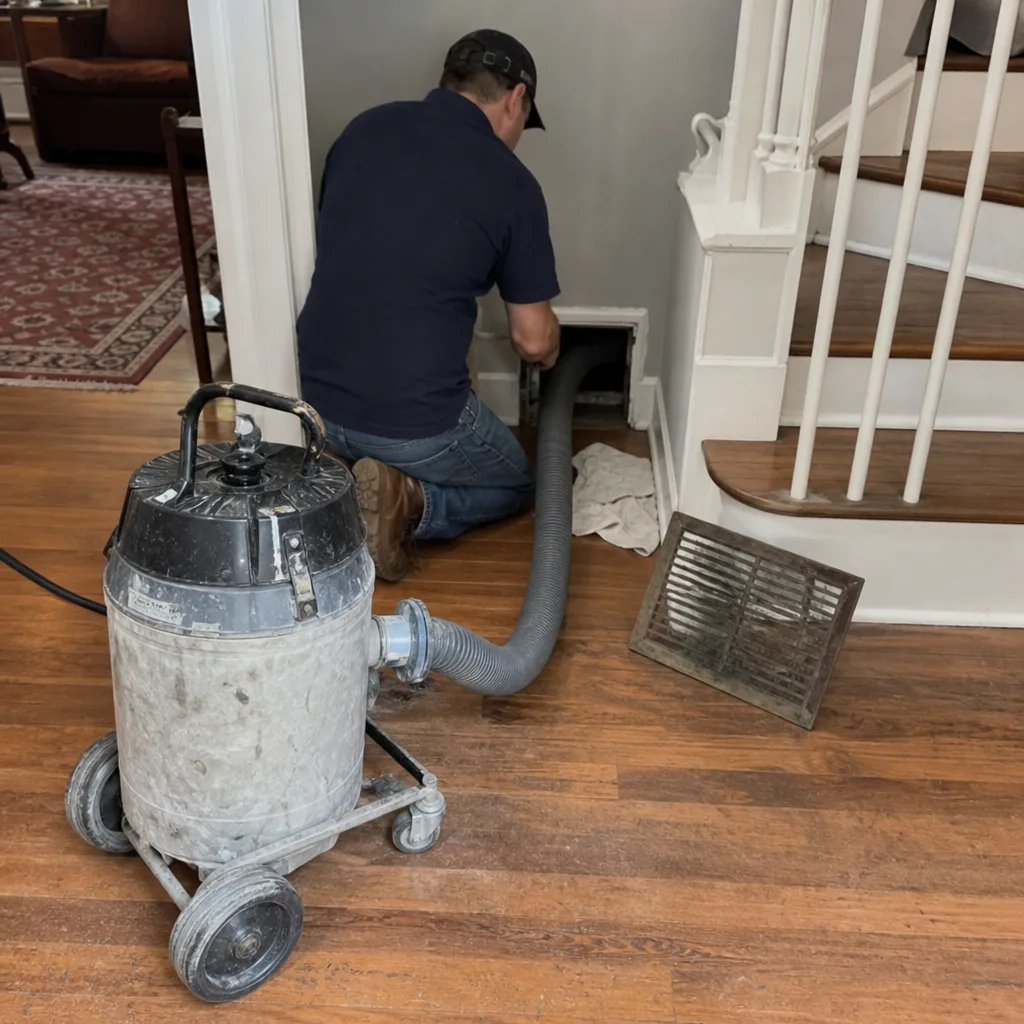 Before
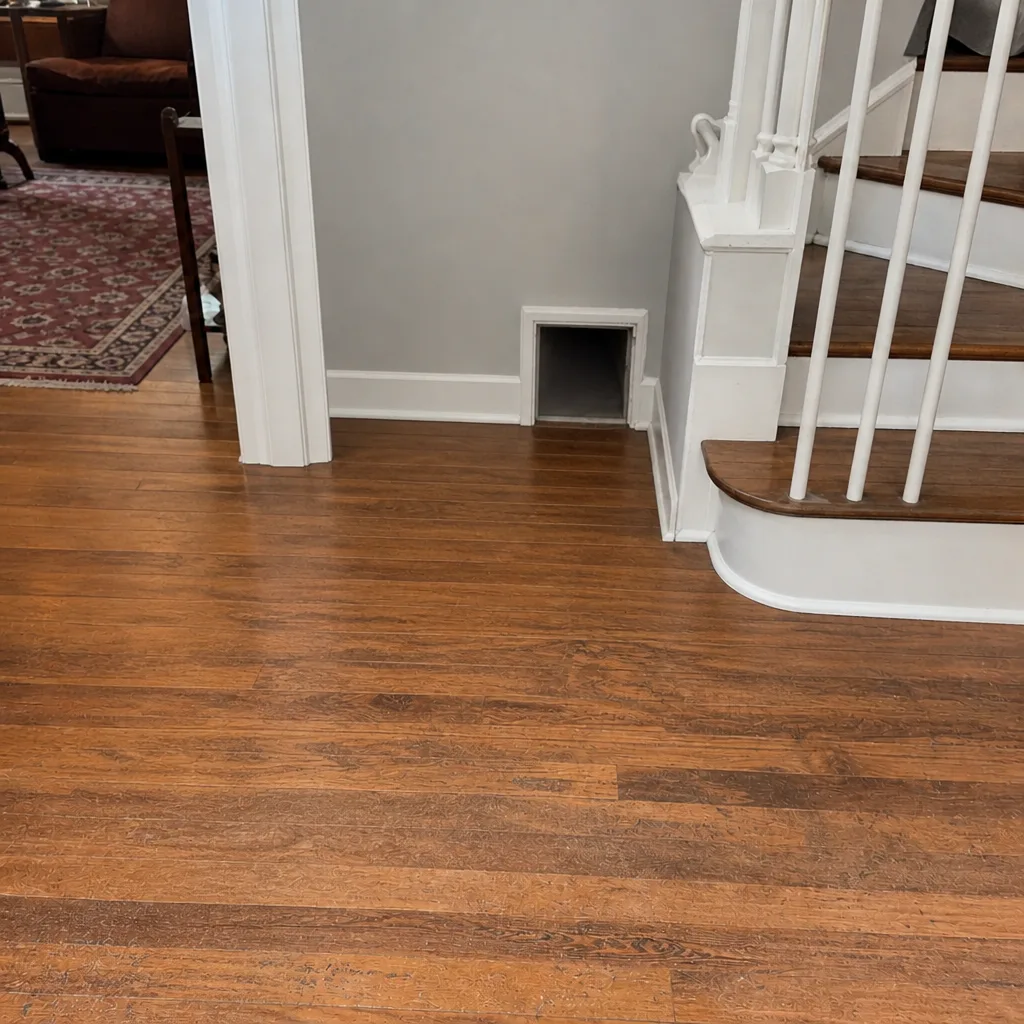 After
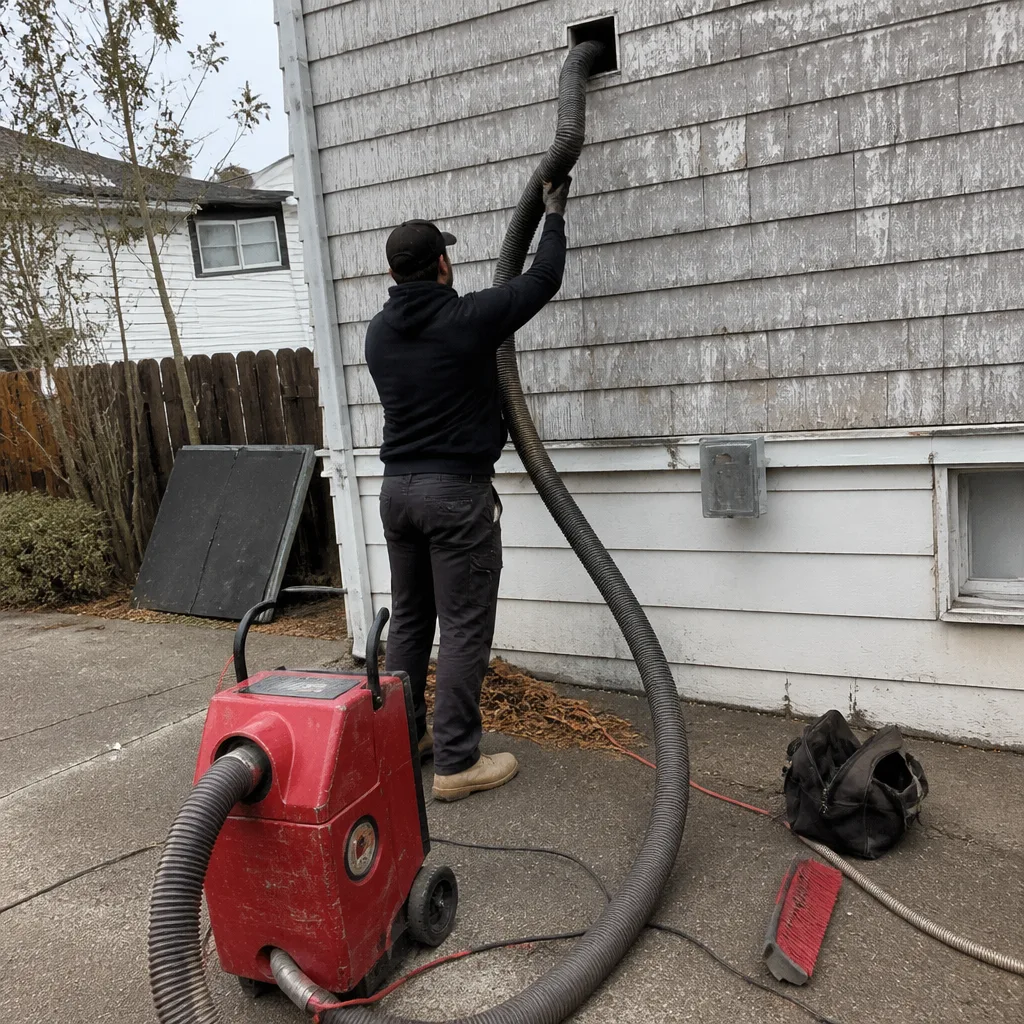 Before
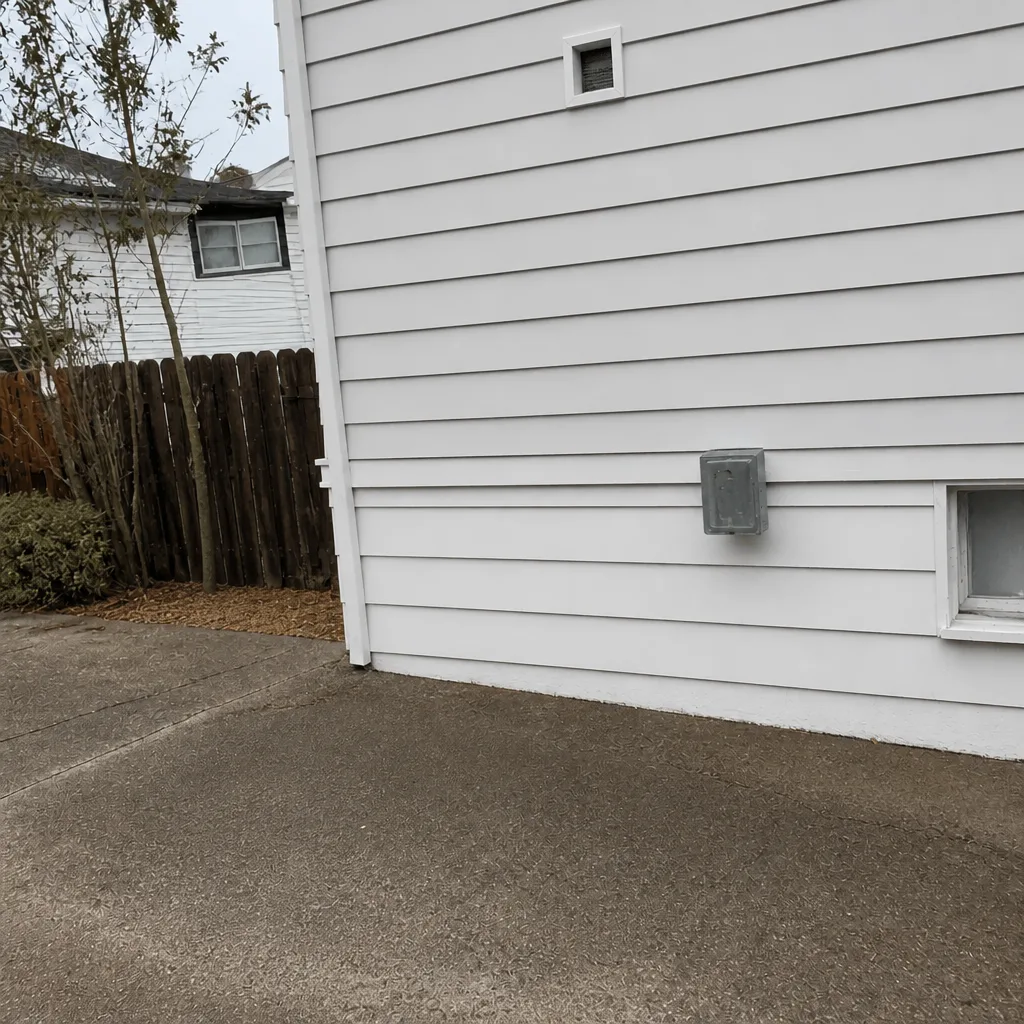 After
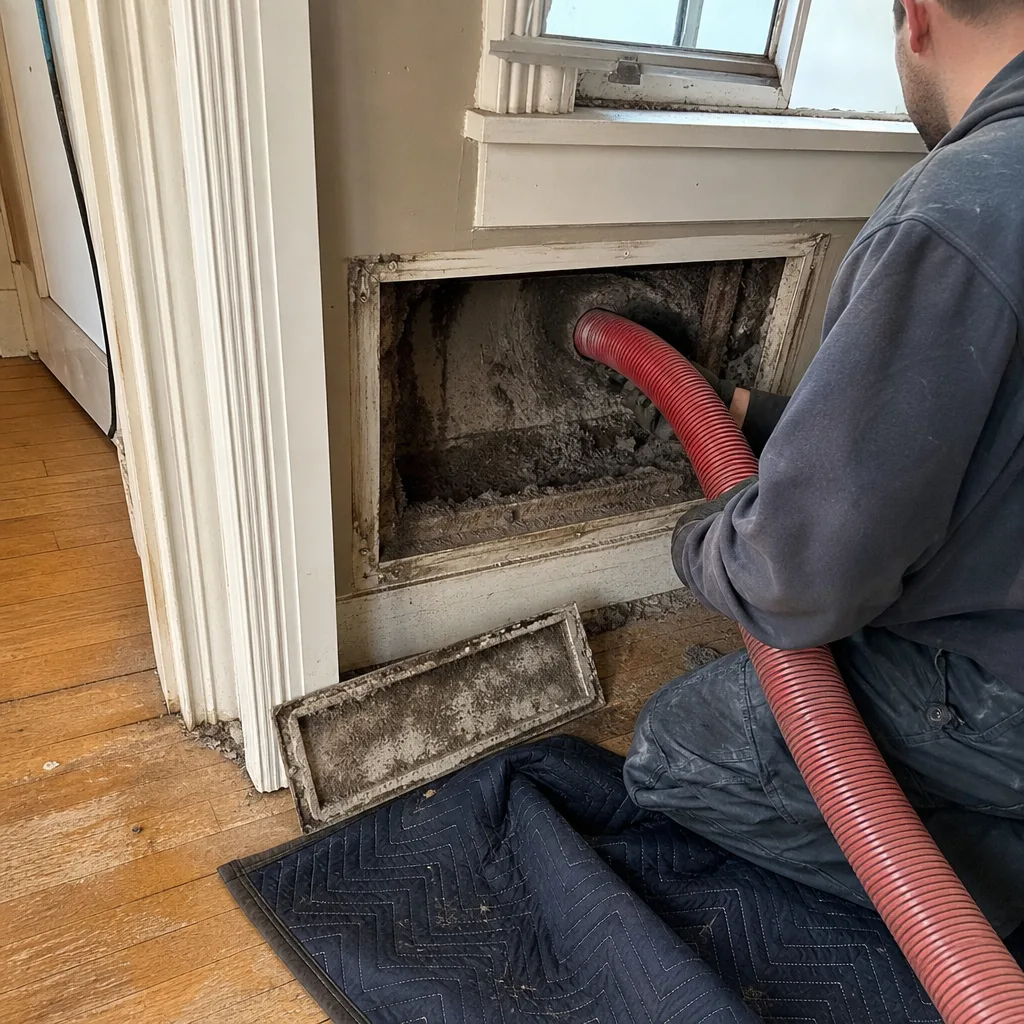 Before
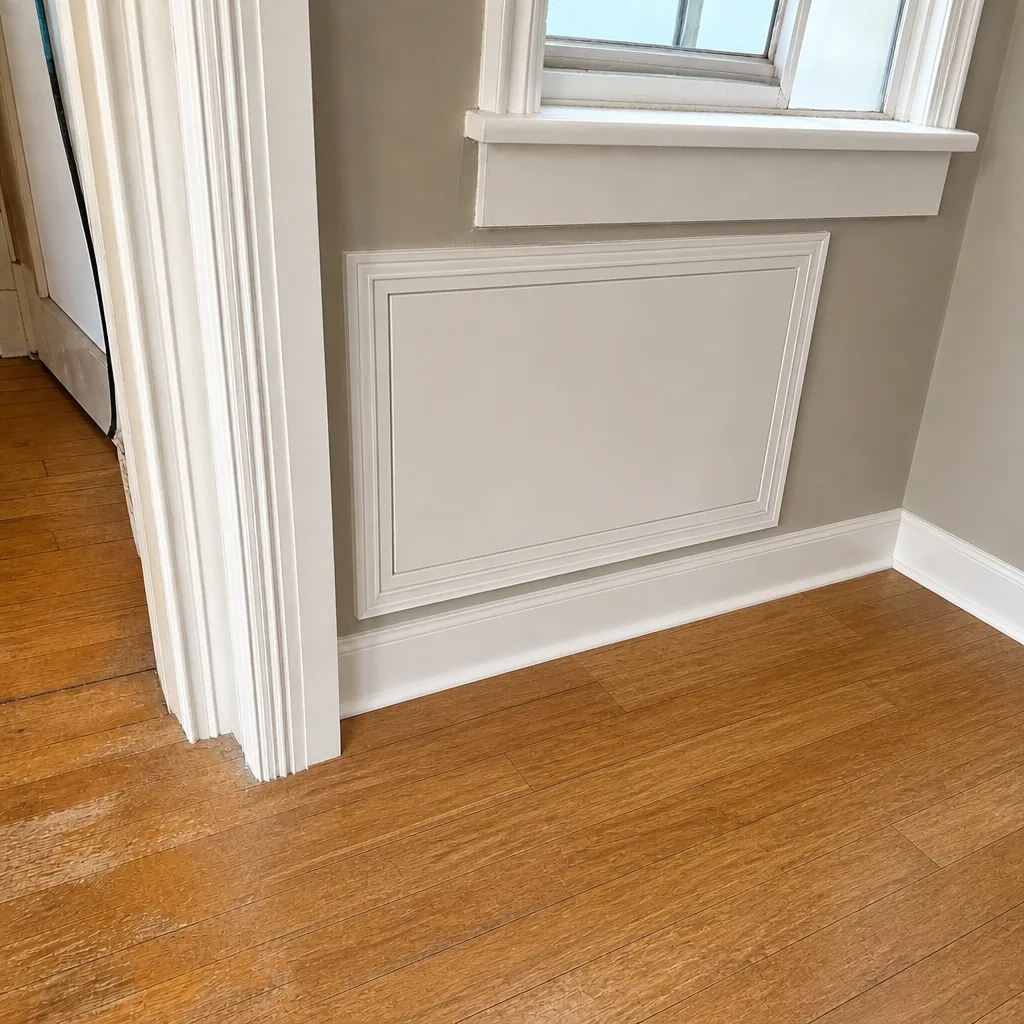 After
When to Call a Professional
Some seasonal checks you can do yourself: filter changes, register wipe-downs, a walkthrough for blocked returns. Others need equipment and access you don’t have. Call a professional when you notice a persistent musty odor that doesn’t clear after the first few heating cycles, when a room is getting steadily harder to heat or cool, when the filter loading rate has doubled without explanation, or when you can see condensation staining on an accessible duct run. An inspection in early fall or early spring catches the transitions before they compound. Air Duct Cleaning Elmwood Village offers free estimates in Elmwood Village – call (855) 726-7901 for an exact quote.
Frequently Asked Questions
Most homes benefit from an inspection twice a year, in early fall and early spring, with a full cleaning when the inspection finds enough buildup to warrant it. The four-season climate here stresses ducts more than a mild climate would, so the fall and spring windows carry real value that a single annual cleaning misses.
Fall is when you can still inspect for summer humidity damage before you circulate heated air through the ducts for six months. Microbial growth and condensation from the cooling season are still addressable in fall. Once heating season starts, you’re reacting to symptoms instead of preventing them.
Cold supply ducts running through warm, humid spaces sweat, and Lake Erie humidity makes that worse here than in drier climates at the same latitude. Attic runs and basement runs near damp areas are the most common trouble spots. Compromised duct insulation lets that moisture reach the duct surface.
No – a shop vacuum doesn’t have the agitation or the HEPA filtration to do the job, and it can blow fine dust back into your living space. Rotary brush systems loosen bonded debris, and HEPA-filtered extraction traps it. The equipment is what makes the difference, not the effort.
The estimate is free and the price for any work is set per job by the written estimate, so you know the cost before anything starts. We don’t quote per-vent prices or teaser figures that change once the technician is on site. Call (855) 726-7901 for an exact quote – estimates are free.
Yes. In homes where the ducts serve cooling only, the system sits idle through heating season and then runs hard in summer. For those homes, the spring inspection before cooling season matters more than the fall one, because the ducts are about to enter their active season rather than exit it.
The Bottom Line
Seasonal duct care in Elmwood Village isn’t one annual cleaning – it’s four checkpoints tied to what the climate actually does to your system. Fall inspection catches summer humidity damage before heating season circulates it. Winter monitoring reads leakage and filter loading in real time. Spring assessment catches what the long heating season did to joints and insulation. Summer management handles condensation on cold ducts. Two of those windows, fall and spring, are where professional equipment earns its place, and the other two are where your own observations tell you when to call. Get the transitions right and the mid-season problems mostly take care of themselves.
Ready to start with an inspection? Call (855) 726-7901. We answer 24/7. Fast dispatch from 7am to 7pm, Sunday through Friday.
Written by the team at Air Duct Cleaning Elmwood Village.