
Last updated November 25, 2026
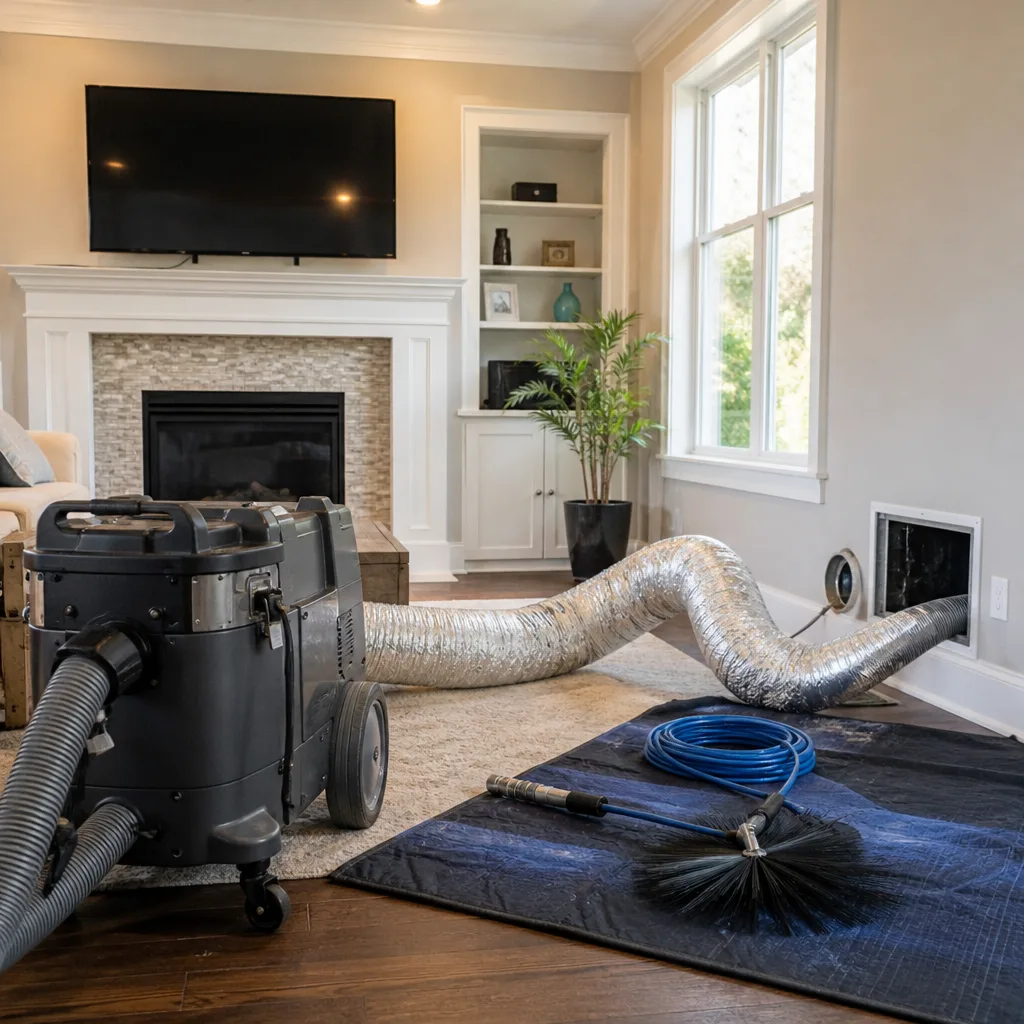 Whole-home duct cleaning
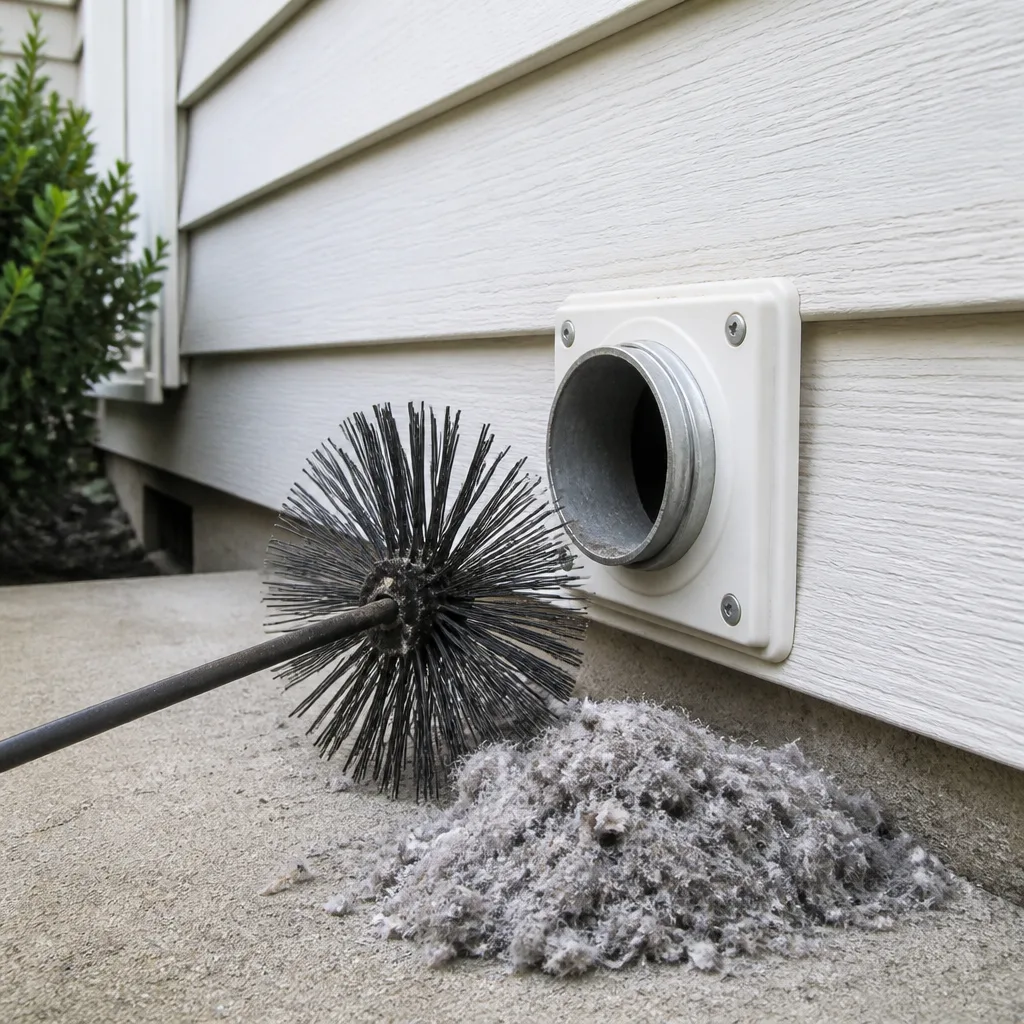 Dryer vent cleaning
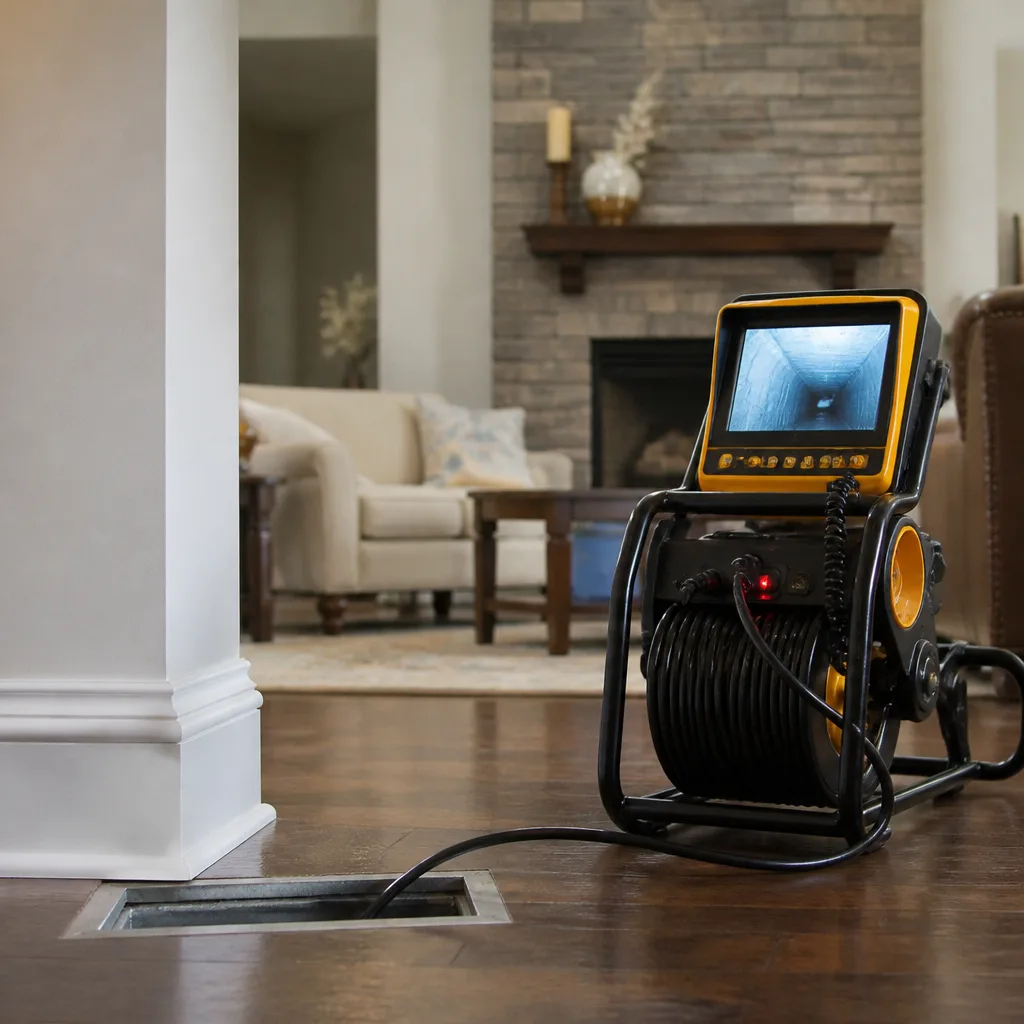 Camera inspection
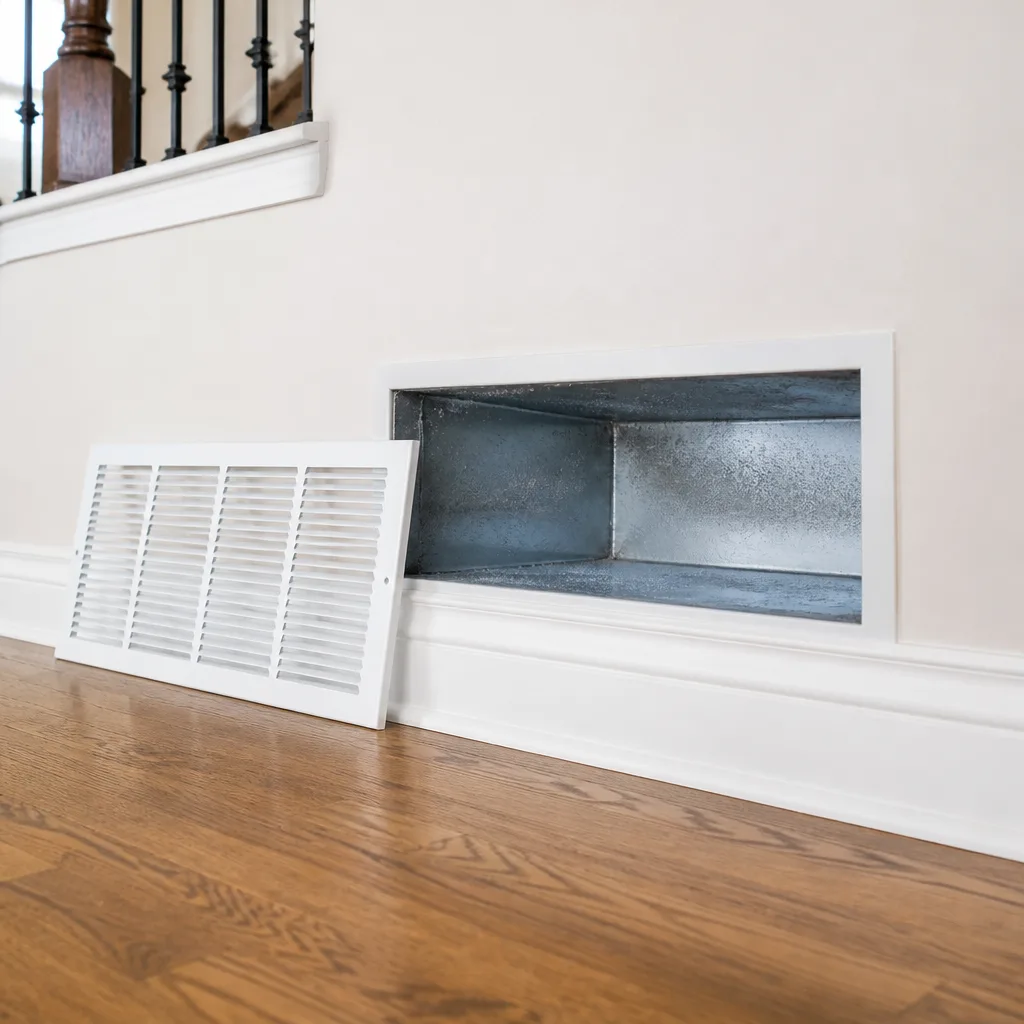 Sanitizing & deodorizing
Whole-system duct and dryer vent check with before-and-after photos - you see exactly what came out of your vents
That "$99 whole-house special" is a bait ad - the real number appears once they are in your hallway, or the "clean" is a shop-vac at the register. We photograph the inside of your ducts before and after instead.
Air Duct Cleaning Cost Breakdown: The Elmwood Village Homeowner’s Reference for 2026
Most homeowners assume duct cleaning quotes differ because one contractor is marking up the same work more than another. In Elmwood Village, that assumption fails. A $199 coupon and a $900 full-scope job rarely describe variations on a single service; they describe entirely different equipment, different process steps, and different deliverables. The lower figure often buys a vacuum pass at the registers with no agitation and no documentation. The higher figure buys mechanical cleaning of every duct surface with before-and-after verification. Elmwood Village’s housing stock makes this distinction sharper than in most markets, and this guide gives you the framework to compare quotes line by line, so you know what you’re actually paying for.
Quick Answer
Air duct cleaning in Elmwood Village typically costs between $450 and $1,200 for a full-service job, with most single-family homes falling in the $600 to $900 range. The wide spread reflects real differences in home age, duct material, number of return air paths, and whether the quote includes agitation tools, negative-pressure containment, and documentation. The written estimate sets the final price, and the estimate itself should be free.
Styles & brands we work with
- Whole-home duct cleaning
- Dryer vent cleaning
- Camera inspection
- Sanitizing & deodorizing
Table of Contents
- What Drives Price in Elmwood Village
- Line-Item Breakdown of a Legitimate Full-Service Job
- What Low-Price Operators Omit
- Add-On Services With Legitimate Cost Justification
- How to Interpret a Quote: Per-Register, Flat Rate, or Per-System
- What a Professional Job Actually Involves, Step by Step
- Why Elmwood Village Duct Work Costs More Than the National Average
- Questions to Ask Before You Book
What Drives Price in Elmwood Village
The national average quoted for duct cleaning, roughly $300 to $500, is built on new-construction square footage math: a predictable number of registers, straight runs, easy attic or basement access, and flex duct throughout. Elmwood Village homes break nearly every one of those assumptions. The neighborhood’s housing was built across decades when ductwork was installed by hand, retrofitted into existing wall cavities, and sometimes connected to systems that were upgraded piecemeal over the years. Labor time on a typical Elmwood Village job runs 40 to 60 percent higher than the national baseline assumes.
Four factors drive most of the difference:
- Home age and duct material. Older Elmwood Village homes often have a mix of galvanized steel trunk lines and branch runs, flex duct added during later renovations, and fiberboard or duct board sections that require gentler tools and more time than metal. Fiberboard cannot take the same rotary brush pressure as galvanized steel, so the technician has to switch tools and work more slowly through those sections.
- Number of return air paths. Many Elmwood Village houses have two or three returns feeding a single system, and each return means another trunk line to brush and another route for the negative-pressure setup. A house with three returns takes meaningfully longer than one with a single central return, and that difference shows up in the quote.
- Accessibility of main trunk lines. The main trunk is often the dirtiest section because it carries the combined airflow from every branch. In some Elmwood Village homes, that trunk is accessible through a basement or crawlspace. In others, sections are boxed in behind finished walls or run through tight chases. Accessibility determines how much time the crew spends gaining safe access before cleaning even starts.
- Presence of combination systems. A house that has added a heat pump or a mini-split to an older forced-air system may have two separate air paths or shared plenums. Combination systems require the crew to isolate each path so debris from one doesn’t migrate into the other, and that isolation setup adds time and equipment.
If you want to understand the process behind those factors before you read quotes, the Air Duct Cleaning Elmwood Village page walks through what a full job looks like from inspection to verification.
Line-Item Breakdown of a Legitimate Full-Service Job
A full-service duct cleaning job breaks into distinct stages, and each stage carries its own cost. When you compare quotes, compare them stage by stage. A quote that skips a stage is not a cheaper version of the same job; it’s a different, smaller job.
| Stage | What It Involves | Typical Share of Job Cost |
|---|---|---|
| Inspection | Visual inspection of registers, trunk lines, plenums, and the air handler cabinet; identifying duct material, access points, and problem areas; checking static pressure readings before work begins | 10 to 15 percent |
| Negative-pressure setup | Connecting a HEPA-filtered vacuum to the system at a strategic point and sealing openings so dislodged debris is captured rather than recirculated into living spaces | 10 to 15 percent |
| Register-by-register contact cleaning | Mechanical agitation at every supply and return register using rotary brush tools, with simultaneous vacuum extraction so loosened debris is removed at the source | 30 to 40 percent |
| Trunk line brushing | Rotary brush and air whip agitation through the main trunk lines, the highest-volume ducts and usually the dirtiest; requires access to the trunk, which may mean cutting and resealing access panels | 15 to 25 percent |
| Reassembly | Resealing every access point opened during cleaning, checking register boots, and confirming the system is airtight before restart | 5 to 10 percent |
| Post-job verification | Before-and-after photos of duct interiors, post-cleaning static pressure comparison, and a written summary of what was found and cleaned | 5 to 10 percent |
Those percentages add up to the whole estimate. In Elmwood Village, a job that includes every stage typically lands between $600 and $1,000 for a standard single-family home, with larger houses or those with unusual duct configurations moving above that range. A quote that omits several stages can come in under $300 and still be profitable, because the contractor is doing far less than the full scope.
What Low-Price Operators Omit
The gap between a low coupon price and a full-service quote isn’t margin; it’s the absence of specific, time-consuming steps. Here’s what a $199 or $299 offer typically excludes:
- Contact vacuuming at each register. A quick pass with a vacuum hose held near each register removes surface dust but doesn’t agitate the duct walls. The dust that’s bonded to the metal or fiberboard stays where it is.
- Agitation tools in main trunks. Brushing the trunk lines requires access, proper rotary tools, and time. Many low-price offers skip trunk cleaning entirely or run air-only sweeps that loosen debris without capturing it.
- Pre/post static pressure comparison. Static pressure readings tell you whether the system is moving air efficiently before and after cleaning. Skipping this step means nobody verifies whether the job actually improved airflow.
- Any documentation. Before-and-after photos, a written summary, and a record of what was cleaned are the homeowner’s only proof the work happened. Coupon operators often provide none, which makes it impossible to know whether the registers were even opened.
- Negative-pressure containment. Without a HEPA-filtered vacuum pulling the system into negative pressure, dislodged dust recirculates through the house during cleaning. Homeowners with dust sensitivity notice this immediately.
In our experience in Elmwood Village, the most common complaint after a low-price job isn’t that the work was visibly bad; it’s that nothing changed. The dust returns within a week because the duct walls were never mechanically cleaned. If the registers on an older Elmwood Village home haven’t been opened in years, a surface vacuum won’t touch the compacted debris along the trunk seams.
The solution isn’t always to spend more. It’s to ask what equipment and steps are included before you agree to a price. The air duct cleaning page describes the specific professional-grade tools we use, including rotary brush systems and HEPA-filtered vacuums, so you know what to ask about.
Add-On Services With Legitimate Cost Justification
Not every add-on is a margin play. Some address real, measurable conditions discovered during a cleaning; others exist to pad the invoice. Here’s how to tell them apart.
Add-ons worth paying for
- Duct sealing. If inspection finds gaps at seams, disconnects at register boots, or leaks in the trunk line, sealing those gaps improves system efficiency and keeps cleaned ducts clean longer. Sealing has a clear, physical rationale: leaks let unfiltered air and debris into the system, and if you clean without sealing, the leaks reintroduce the problem. Expect this to be quoted as a separate line item based on the number and accessibility of leaks found.
- Sanitizing treatment. Mechanical cleaning removes debris, but it doesn’t necessarily address biological contaminants like mold spores or bacteria that can colonize damp duct surfaces. A sanitizing treatment applied after cleaning is a legitimate addition when there’s visible microbial growth, persistent musty odor, or a known moisture problem. It’s not necessary on a system that’s simply dusty.
- Air quality solution integration. If you want to improve filtration or humidity control after cleaning, adding a media filter cabinet or a whole-home humidifier is a separate project, not a duct cleaning add-on. These are worth considering on their own merits.
Add-ons that are usually margin plays
- Deodorizing sprays. A spray that masks odor for a few weeks doesn’t remove the source. If your ducts smell musty, the answer is cleaning and addressing moisture, not scent.
- “Antimicrobial coating” on a clean system. Coating the interior of a duct that’s already been mechanically cleaned and sanitized adds no meaningful protection. It’s a line item with no diagnostic basis.
- UV lights sold as a stand-alone fix. UV lights can help control microbial growth on a wet coil, but they don’t clean dirty ducts. Sold as a duct cleaning upsell, they’re misapplied.
If an add-on comes with a specific finding, a photo, or a pressure reading that justifies it, it’s probably real. If it’s offered as a package deal before anyone has looked at your system, ask what problem it’s solving.
How to Interpret a Quote: Per-Register, Flat Rate, or Per-System
Quotes come in three basic structures, and each one incentivizes the contractor differently. Understanding the structure tells you what the contractor is likely to do, and what they’re likely to skip.
Per-register pricing
You pay a set amount per supply and return register. This structure is easy to compare on paper, but it puts the contractor in an awkward position: every register is another unit to clean, so the incentive is to move through each one quickly. On a house with many registers and few problem areas, per-register pricing can be fair. On an older Elmwood Village home where the trunk line is the real problem, per-register pricing often means the trunk gets skipped because it isn’t a register.
Flat-rate pricing
One price for the whole house, regardless of register count. Flat-rate quotes are only as good as the scope they describe. A flat rate that covers “the entire system” without specifying agitation, containment, and verification is a flat rate for whatever the contractor decides to do. Ask for a written scope that names the stages. Without that, the flat rate is unfalsifiable.
Per-system pricing
The quote covers one complete air handler and its duct network, including trunk lines, plenums, and all registers connected to that system. This is the most useful structure for homeowners because it aligns with how the work actually gets done. A per-system quote should name what’s included at each stage. If the house has a combination system with two air handlers, per-system pricing correctly reflects that two separate networks need cleaning.
Whichever structure you’re quoted, ask for the scope in writing before you agree. A quote that’s honest will list stages, equipment, and deliverables. A quote that’s vague on those points is a quote you can’t compare to anything else.
What a Professional Job Actually Involves, Step by Step
Here’s the sequence a legitimate full-service job follows. You can use it as a checklist when you talk to any contractor.
- Inspection and baseline readings. A technician walks the house, opens registers, inspects accessible trunk lines and the air handler cabinet, notes duct material, and records pre-cleaning static pressure. This stage should produce findings, not just a nod.
- Containment setup. The crew connects a HEPA-filtered vacuum to the system and seals openings to put the ductwork under negative pressure. From this point on, dislodged debris is captured rather than blown into the house.
- Register-by-register cleaning. At each supply and return, the technician inserts rotary agitation tools to loosen dust bonded to the duct walls, while the vacuum captures it. Contact matters: a hose held at the opening doesn’t clean a duct wall.
- Trunk line cleaning. The crew accesses the main trunk through existing panels or by cutting and later resealing access points. Rotary brushes and air whips loosen debris from the hard-to-reach top and sides of the trunk, where dust accumulates.
- Reassembly and sealing. Every access point is resealed. Boots are checked for gaps. The system is confirmed airtight before it restarts.
- Post-cleaning verification. The technician records post-cleaning static pressure, takes before-and-after photos of duct interiors, and provides a written summary of what was found and cleaned.
If you want to understand how the same process applies to your heating and cooling equipment, the HVAC cleaning page covers the components inside the air handler that often need attention in tandem with the ducts.
Why Elmwood Village Duct Work Costs More Than the National Average
The national average for duct cleaning assumes a house that was built with ductwork designed and installed in one pass. Elmwood Village homes rarely fit that profile. Many were built in eras when forced-air systems were retrofitted into houses that originally used radiators or gravity furnaces, and the duct runs were fit into whatever space was available. That means irregular runs, transitions between duct materials, and trunk lines that take unexpected routes through the structure.
Add the local climate. Elmwood Village winters are heating-dominant, which means the furnace runs for months at a stretch and pulls air through the same ductwork day after day. That constant airflow pushes dust, pet hair, and construction debris into the duct seams and trunk corners. Summer humidity adds another variable: if the air conditioning coil produces condensation and the duct insulation has gaps, moisture can reach the duct surfaces and support microbial growth. Neither of those conditions shows up on the national average, but both show up on the invoice.
There’s also the question of what happens during a typical Elmwood Village renovation. Homes that have been updated often have additions or reconfigured rooms where new flex duct runs feed into an older galvanized system. The transition points between material types are where leaks and debris accumulation tend to concentrate, and they take longer to clean because the technician has to switch tools and approach the area from more than one direction.
None of this means Elmwood Village duct cleaning should cost far more than the national average. It means the national average is a starting point, not a benchmark. The right question isn’t “why is this quote higher than the average?” It’s “what does this quote include that the average doesn’t?”
Questions to Ask Before You Book
Before you agree to any duct cleaning quote, these questions will separate a real scope from a surface pass:
- What equipment will you use to agitate the duct walls? A rotary brush system, an air whip, or both. If the answer is a shop vacuum and a hose, the job isn’t mechanical cleaning.
- Do you set up negative pressure, and with what? A HEPA-filtered vacuum capable of maintaining containment for the whole job. A generic wet/dry vac doesn’t do it.
- Will you provide before-and-after photos of the duct interiors? Not just the outside of your house or the register covers, but the inside of the ducts.
- Do you take static pressure readings before and after? This is the objective measure of whether the job improved airflow.
- Does the price cover trunk line cleaning, or only registers? The trunk is usually the dirtiest part of the system. If the trunk isn’t included, the job isn’t complete.
- What does the written estimate include, and is it free? The estimate should state the scope and the price, and the final price should match the written estimate after the work is done.
- Are you insured for this work? The local pro should be licensed and insured as their state requires. Ask for confirmation before the crew arrives.
For dryer vents specifically, the questions are slightly different. The dryer vent cleaning page explains why lint buildup is a fire-prevention concern and what a proper vent cleaning involves beyond a quick vacuum.
Common Mistakes to Avoid
- Choosing a quote before choosing a scope. The lowest number only means something if you can compare what it covers. Ask for a written scope and compare stage by stage.
- Assuming a coupon covers the trunk lines. Many low-price offers clean registers only. In an older Elmwood Village home, the trunk lines are where the debris concentrates, so a register-only job misses the main problem.
- Skipping the verification step. Without before-and-after photos and static pressure readings, you have no way to confirm the work was done. Ask for both in writing.
- Treating deodorizing sprays like real odor removal. A spray masks the smell for a few weeks. If your ducts smell musty, the odor has a source, and cleaning is the answer, not scent.
- Cleaning the ducts without checking the air handler. The blower compartment and evaporator coil are part of the same system, and dirty components there undo much of the benefit of clean ducts. Ask whether the air handler cabinet is included in the scope.
- Ignoring humidity and moisture. Elmwood Village summers can push duct surfaces damp, and moisture turns dust into a growth medium. If you’ve had water intrusion or a persistently damp basement, mention it during inspection.
- Booking based on speed alone. A job that takes an hour is not the same job as one that takes a full day. The time difference is usually the work that gets skipped.
See the difference
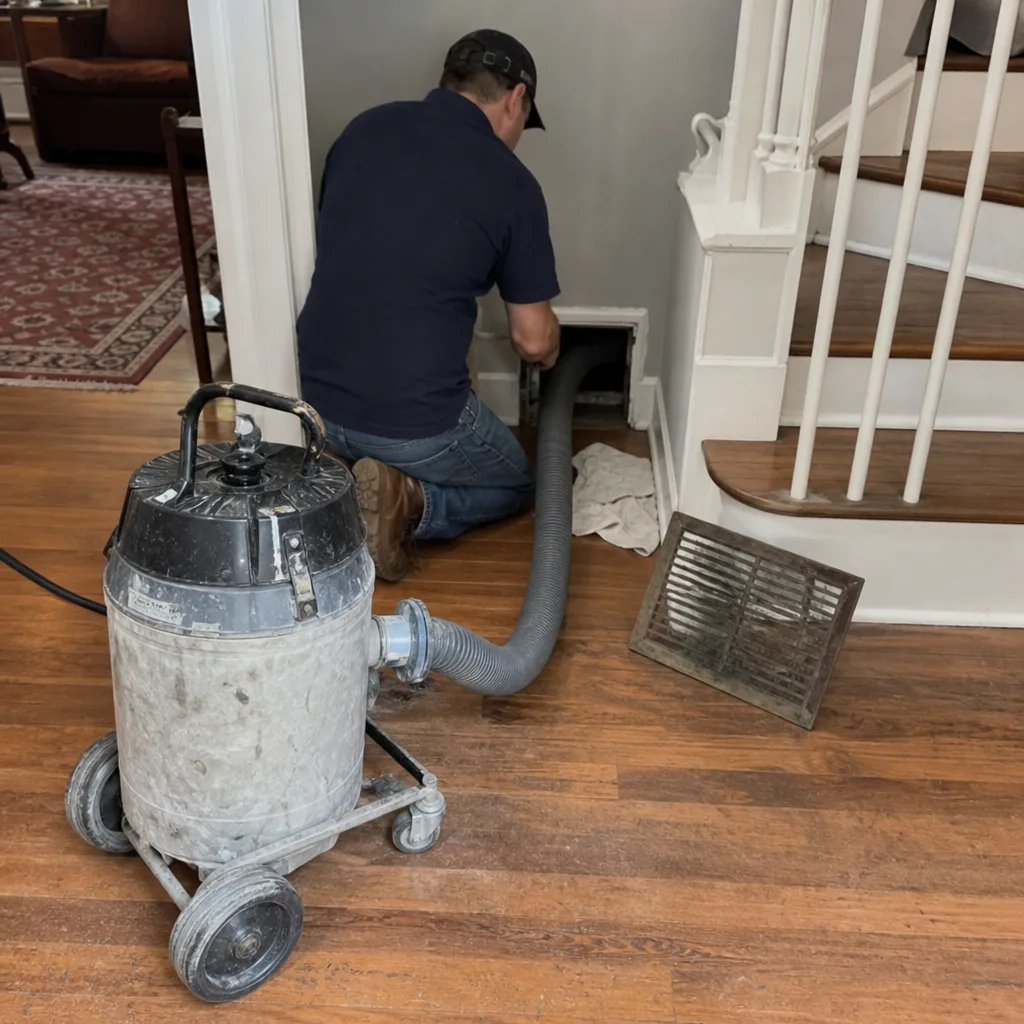 Before
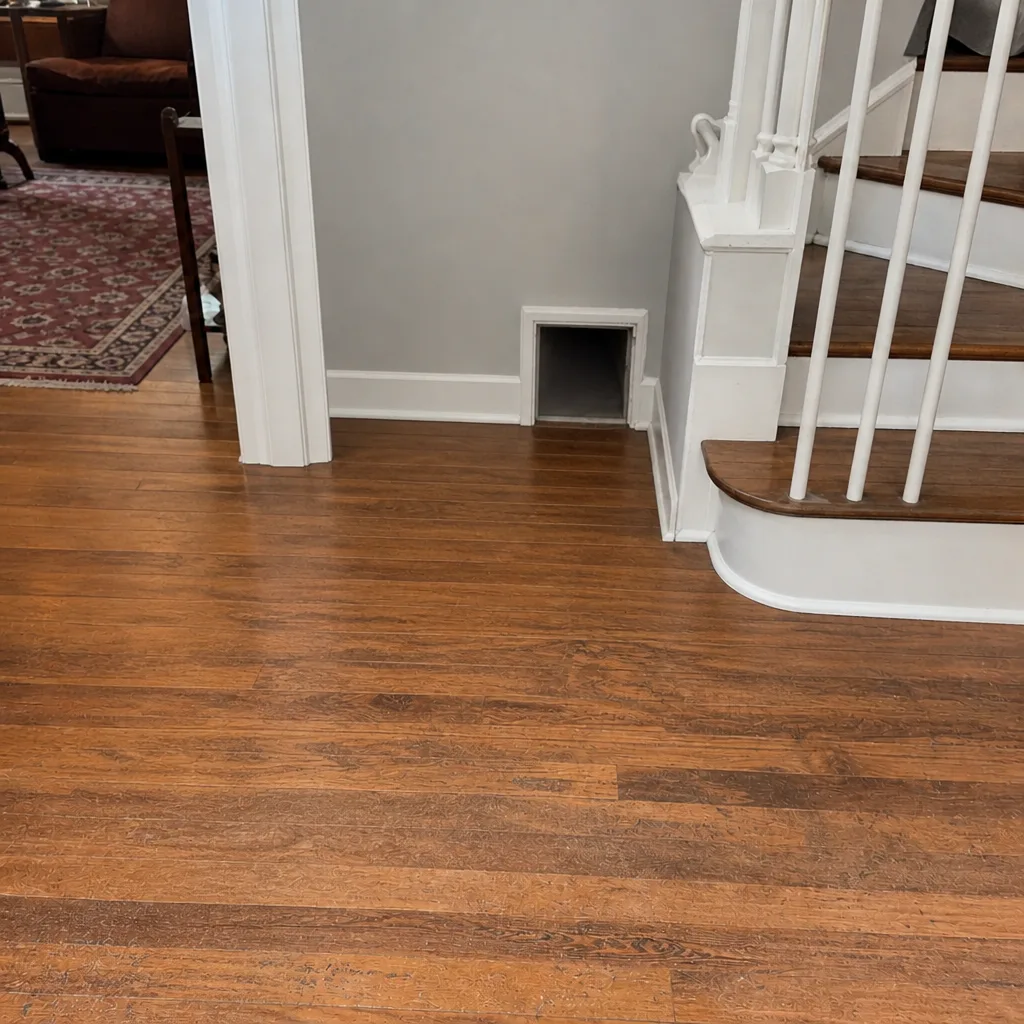 After
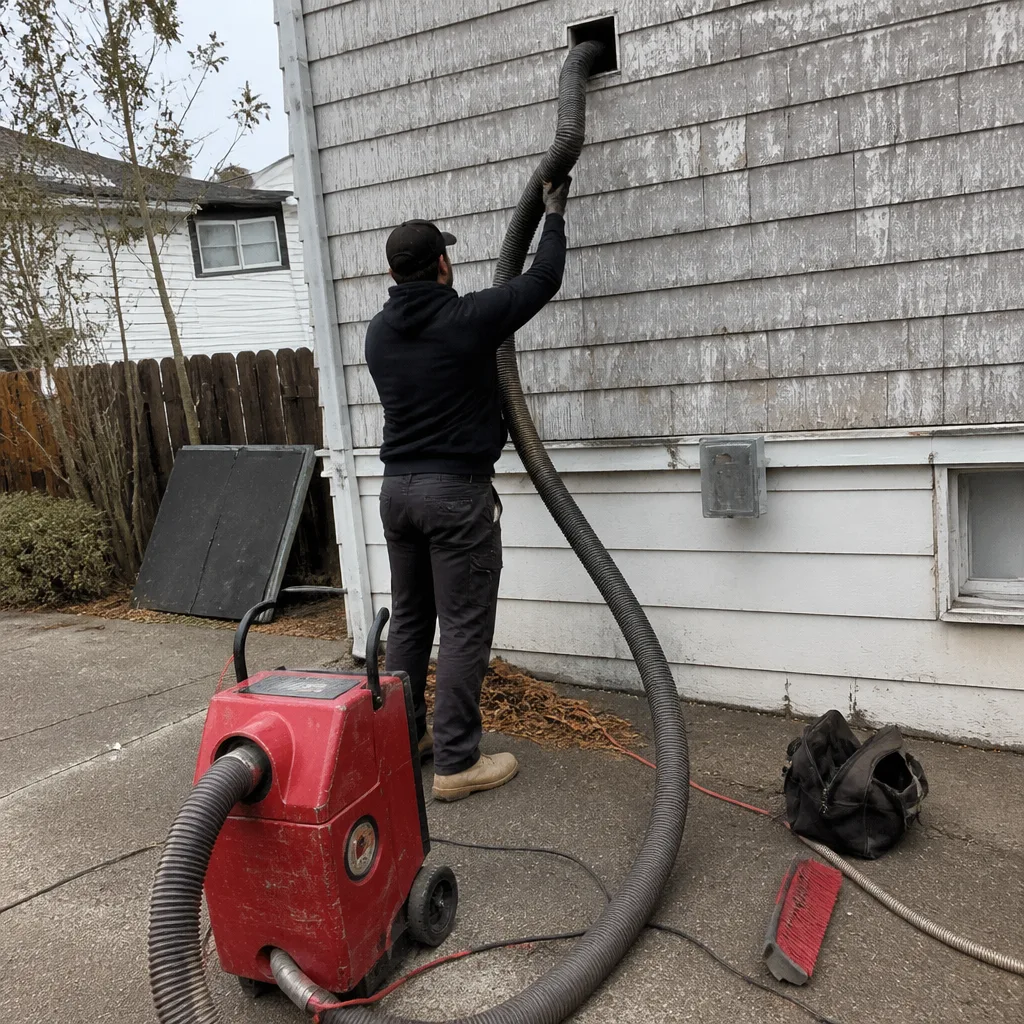 Before
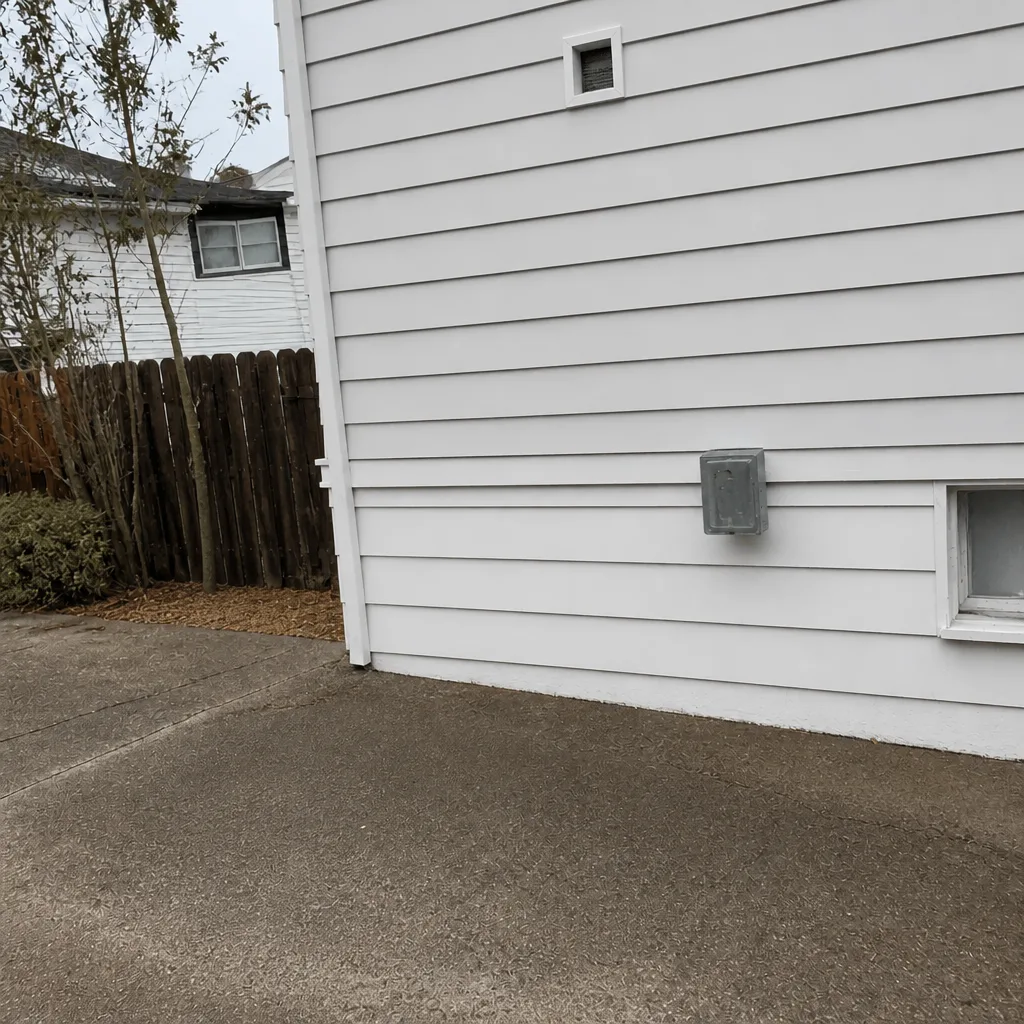 After
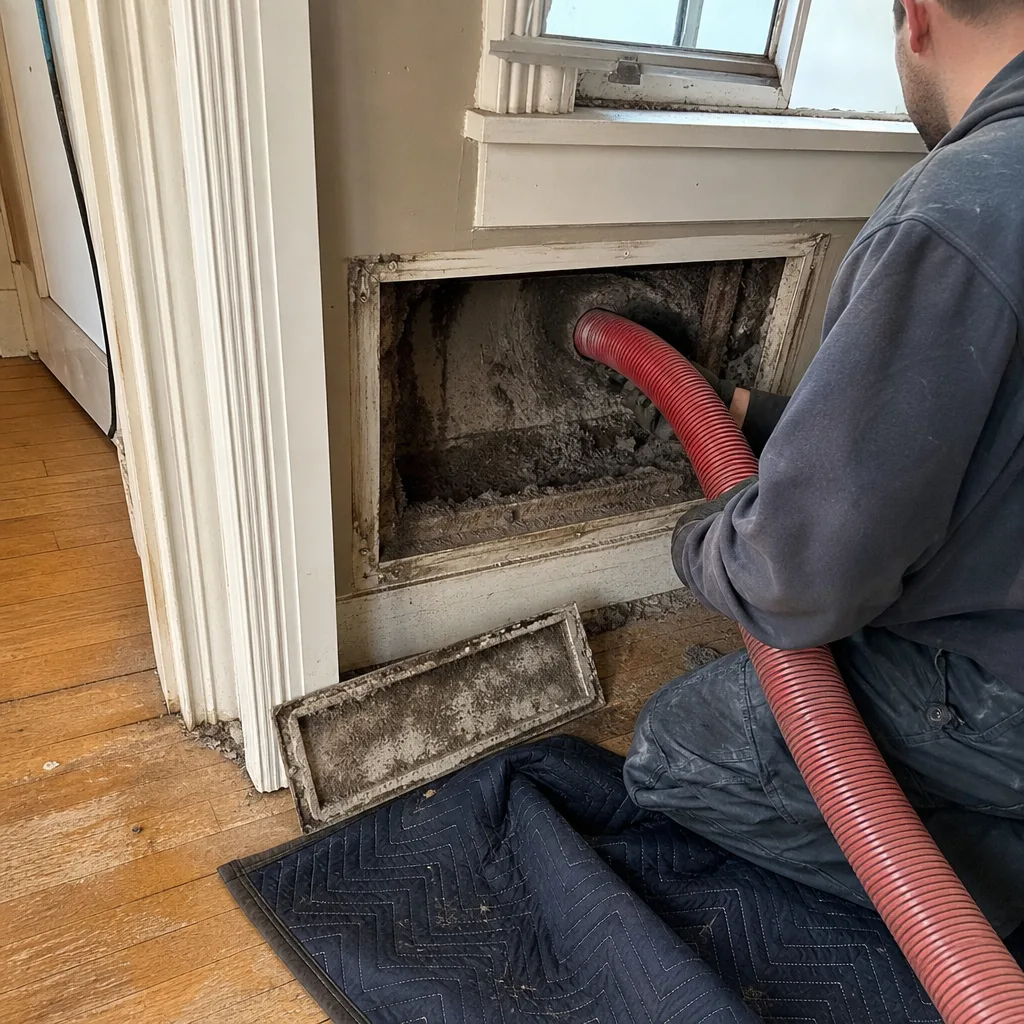 Before
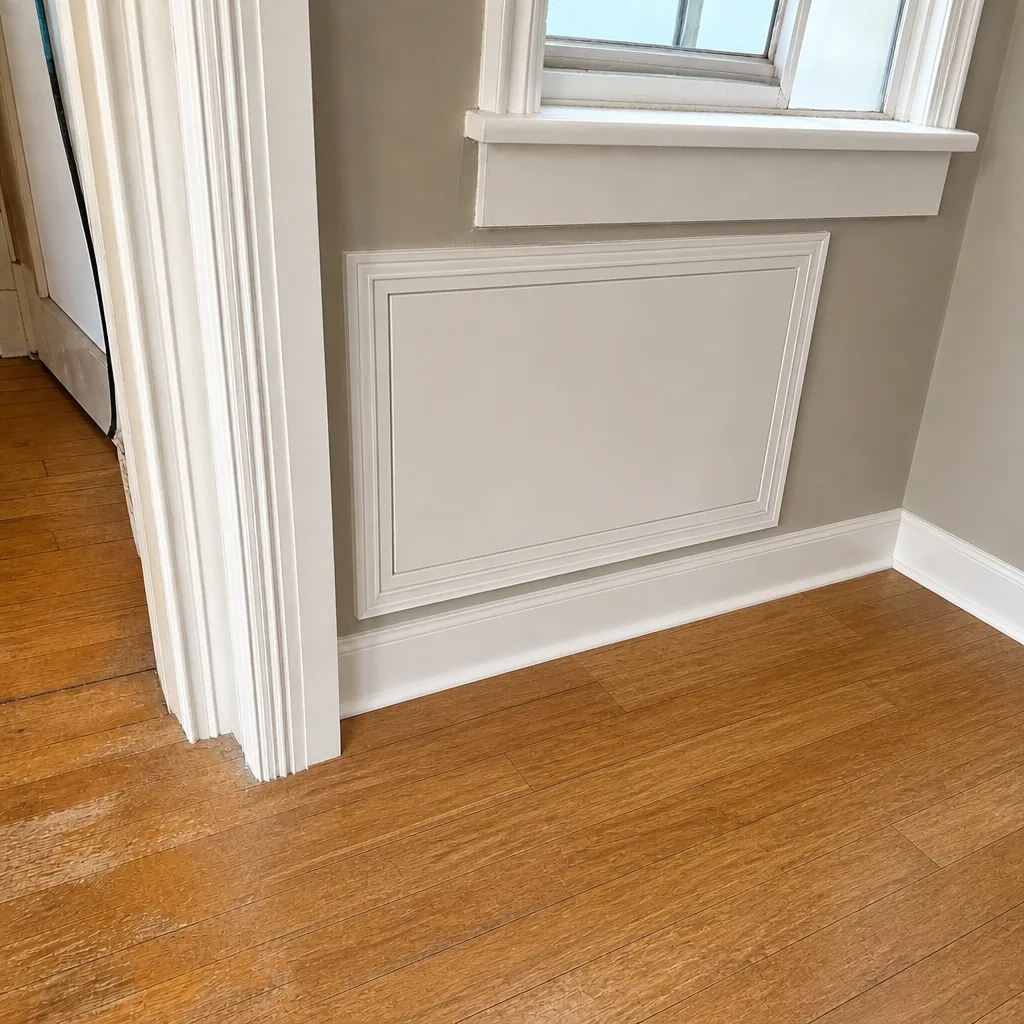 After
When to Call a Professional
You need a professional if your registers have visible dust streaks or dark staining around the covers, if dust settles on surfaces within a day or two of cleaning, if you can smell a musty or stale odor when the system runs, or if anyone in the household has recurring allergy or respiratory symptoms that worsen indoors. A recent renovation, a new pet, or a long gap since the last cleaning are all reasons to schedule an inspection. If you’ve never had the ducts cleaned and the house is older, the trunk lines are worth looking at regardless of how the registers appear.
Air Duct Cleaning Elmwood Village offers free estimates in Elmwood Village. Call (855) 726-7901. We answer 24/7. Fast dispatch from 7am to 7pm, Sunday through Friday.
Frequently Asked Questions
Most full-service jobs in Elmwood Village run $600 to $900 for a standard single-family home, with the range widening to $450 to $1,200 depending on home age, duct material, number of returns, and system configuration. The written estimate sets the final price, and the estimate is free. Call (855) 726-7901 for an exact quote.
Cheaper quotes usually describe a smaller job: registers only, no trunk line cleaning, no agitation tools, no negative-pressure containment, and no documentation. The price difference reflects a different scope, not a discount on the same work. Ask what equipment and steps are included before comparing prices. Call (855) 726-7901 to go over what a full-scope estimate covers.
Ask for before-and-after photos of the duct interiors and a copy of static pressure readings taken before and after cleaning. Both are objective records of what changed. A contractor who does full-scope work will have them readily available. Call (855) 726-7901 if you’ve had a previous cleaning and want a second look at the system.
Most homes need duct cleaning every three to five years, though Elmwood Village homes with pets, recent renovations, or persistent dust issues may need it more often. If you’ve just moved in and don’t know when the ducts were last cleaned, an inspection is the starting point. Call (855) 726-7901 to schedule an estimate.
No. A higher price only means something if the scope justifies it. The right question is what the quote includes: agitation tools, trunk line access, containment, verification, and documentation. A mid-range quote with a full scope is a better value than a premium quote with a vague one. Call (855) 726-7901 and we’ll walk through the scope line by line.
Dust returning quickly usually means the duct walls weren’t mechanically agitated or the trunk lines were skipped. It can also point to leaks that let unfiltered air back into the system, or a dirty air handler component that’s reintroducing debris. An inspection with static pressure readings will show where the problem is. Call (855) 726-7901 for a free estimate.
The Bottom Line
Duct cleaning pricing in Elmwood Village isn’t standardized, and the spread between the cheapest quote and the fullest one reflects real differences in equipment, process, and deliverables. The national average is a baseline built for newer homes; Elmwood Village’s older housing stock, mixed duct materials, and heating-dominant climate push legitimate full-scope jobs above it. When you compare quotes, compare the stages: inspection, containment, register-by-register agitation, trunk line cleaning, reassembly, and verification. A quote that includes all six is a complete job. A quote that skips any of them is a smaller service with a smaller price, and it won’t solve the dust problem. The written estimate sets the final price, and the estimate itself should always be free.
Call (855) 726-7901 for a free estimate. We answer 24/7. Fast dispatch from 7am to 7pm, Sunday through Friday.
Written by the team at Air Duct Cleaning Elmwood Village.